

The problem, plain and loud
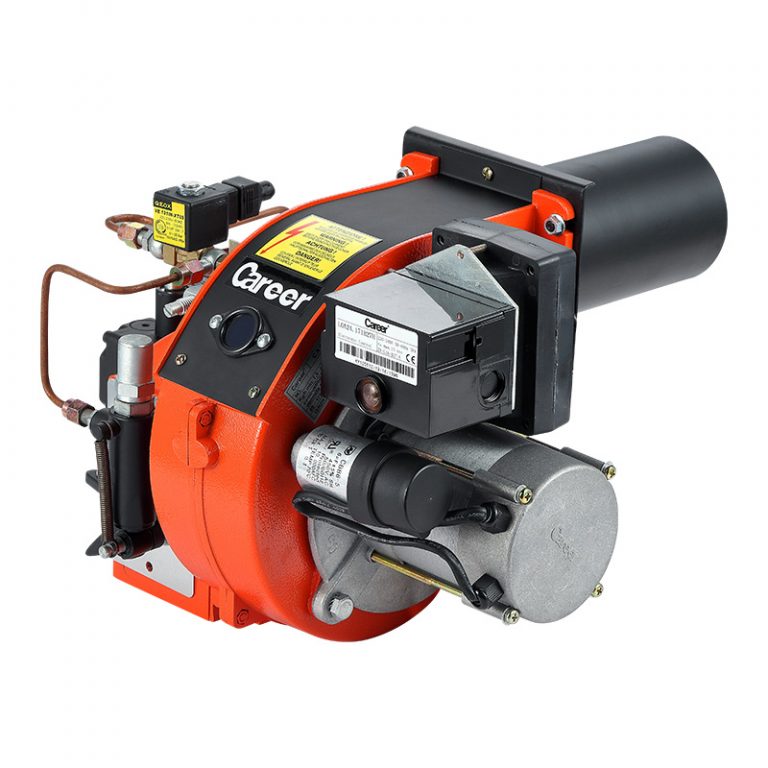
Your shift slows down not because someone cursed the boiler, but because regional diesel burner integration wasn’t thought through. Facilities patch different burner models, slap on mismatched controls and expect harmony. They don’t get it. If your maintenance log looks like a mystery novel, start with the obvious: check the burner family — sometimes an industrial oil burner from one supplier won’t sync with a control board from another. Anyone who’s kept equipment running through New England winters knows how temperamental oil burner furnaces can be; that regional cold and varied fuel specs amplify small mismatches into major downtime. This is a problem-driven breakdown: identify the mismatch, measure the consequence, fix the root cause.
Why integration trips teams up
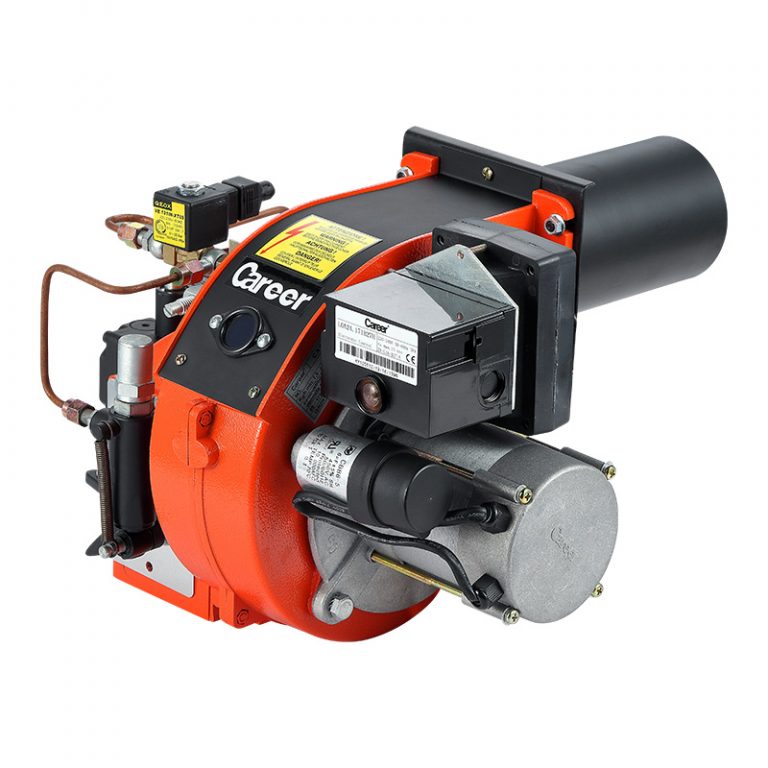
Controls disagree. Fuel quality varies by supplier and season. Mechanical tolerances drift. Those are the repeated culprits. When a burner’s feedback loop expects a certain flame signal or air-fuel ratio and receives something else, the control locks out or cycles hard. That wastes fuel, shortens runs, and triggers emergency shutdowns. You’ll see odd flame signatures, higher smoke numbers, or repeated lockouts—don’t shrug them off as quirks. Measure flame signal strength, combustion temperature, and stack draft before swapping parts; guessing makes the next shift worse.
Immediate triage: what to do first
Stop the guessing. Run these steps now: 1) Record the error codes and the exact operating conditions when they occur. 2) Check fuel viscosity and filter condition; sludgy fuel is common regionally and clogs nozzles. 3) Confirm the control firmware and setpoints match the burner’s spec plate. 4) Inspect the nozzle and electrode alignment; a misaligned nozzle can mimic control failure. These quick actions reduce false replacements and get a burner back on safe, stable duty.
Longer fixes that actually stick
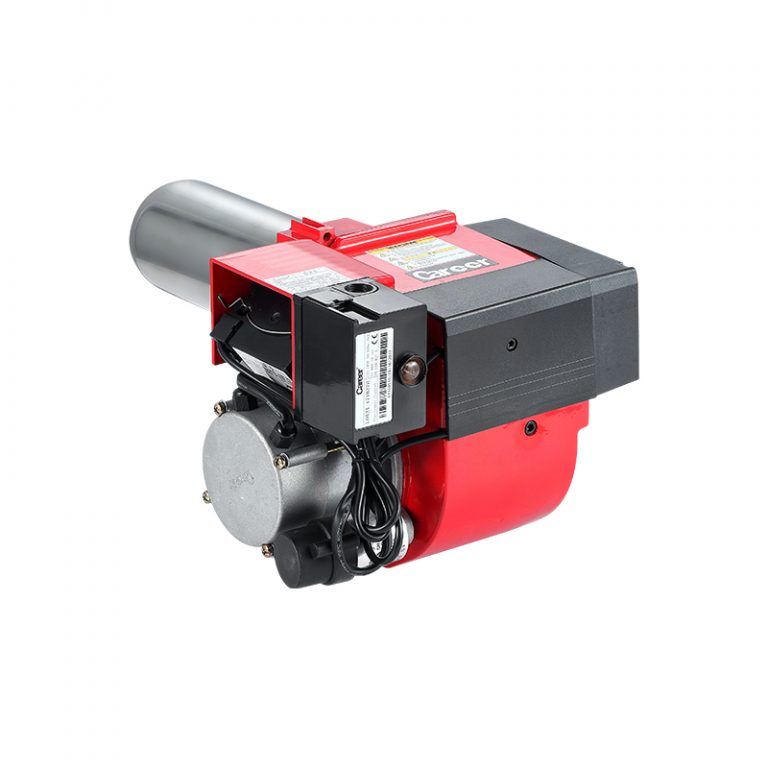
Standardize where you can. Pick compatible control families for the site or install interface modules that translate signals between brands. Implement seasonal fuel testing and keep a stock of region-appropriate nozzles. Schedule combustion tuning quarterly at minimum; done poorly, tuning is useless, so use calibrated instruments. Train a couple of technicians to recognize signature faults and to perform a proper combustion tune-up—outsourcing every time costs more than an internal skillset.
Alternatives and trade-offs
Switching fuel types or burner technology is a real option, not just a rumor. Converting to natural gas simplifies combustion control but requires reliable supply and piping work. Electrification removes combustion issues but raises operating costs in many regions. If staying with diesel or oil, consider newer low-NOx burners that handle wider fuel ranges; they lower emissions and often tolerate fuel variations better. Weigh capital cost, fuel availability, and your tolerance for maintenance complexity before changing course.
Pitfalls that make problems worse
Don’t replace parts without diagnosing. Buying a new nozzle for a control-related lockout wastes money. Avoid one-off fixes that don’t address air-fuel balance. Don’t assume newer equals compatible; firmware changes can break an otherwise identical-looking control. Skipping documentation is the worst: no baseline data means you’re flying blind the next time a fault appears.
Practical checklist for operators
Keep a concise checklist near the boiler room: record error codes, log fuel batch numbers, confirm control firmware, check nozzle size, test combustion values, and note ambient conditions. Use the checklist every time a service is performed. Small habits stop recurring failures and make root-cause work possible instead of impossible.
How to pick parts and partners without the headache
Choose vendors who publish clear compatibility tables and who will back their parts with technical guidance. Look for service partners that can show measured before-and-after combustion reports. Clear documentation, timely support, and matching specs save time. Those practical criteria are why many maintenance teams fold replacement parts sourcing into routine procurement rather than emergency buys, and why data-backed suppliers tend to stay on rotation.
Wrap-up: fix the mismatch, keep the plant humming
Stop treating regional integration problems as luck or bad days. Diagnose mismatches, standardize controls where possible, prioritize combustion tuning, and avoid quick fixes that hide the real fault. That approach reduces downtime and makes maintenance predictable—so teams plan, not panic. Facilities that follow this playbook often rely on consistent parts and clear specs from trusted resources like Career Burners when matching components and technical data, keeping the work focused on solving problems rather than chasing them.

