

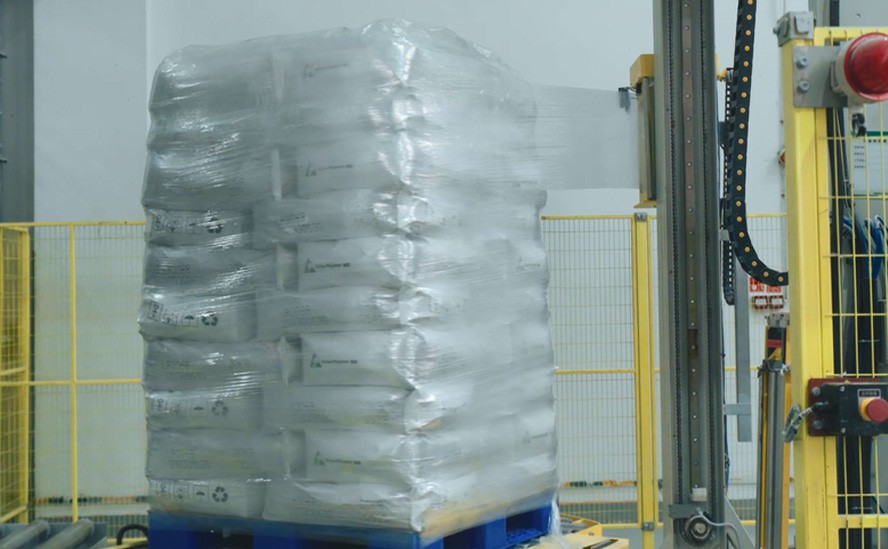
The persistent problem on the line
Production teams face the same question every shift: why does a once-stable recipe start producing more rejects? Melt degradation, inconsistent melt flow, surface defects and color shifts show up as higher scrap rates and slower lines. Correct dosing of plastic additives can stop many failures, yet the wrong choice or testing method makes matters worse. This piece looks at the problem first, then at focused solutions you can apply immediately.
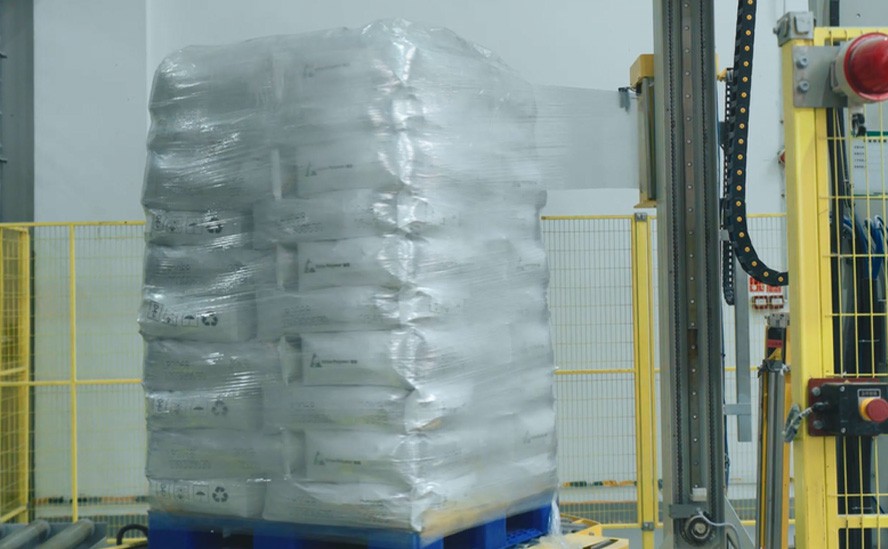
What actually breaks processing stability
Processing instability usually has clear causes. Variations in polymer grade or moisture content change melt viscosity. Thermal or shear history triggers oxidation and chain scission. Inadequate dispersion of additives, stray contaminants and incompatible pigments all create local hotspots. Measurement gaps — skipping MFR checks, DSC scans or simple rheology curves — hide these risks until the compound runs at scale. Find the root cause, not just the symptom.

How specific additives solve specific failures
Additives are tools, each with a narrow function. Hindered phenolic antioxidants and phosphites control thermal oxidation and prevent color drift. Processing stabilizers and lubricants reduce shear-induced viscosity spikes and surface defects. Nucleating agents tighten crystallization and reduce cycle time variability. Use anti-hydrolysis agents for polyesters exposed to moisture. Match the additive chemistry to the failure mode, then confirm compatibility with the polymer and any pigments or fillers.
Selection, trialing and common mistakes
Start by defining the production target: acceptable MFR range, color tolerance, cycle time and mechanical properties. Run bench-scale trials under the same shear and temperature profile as the line. Prefer masterbatch dosing for dispersion-critical chemistries; direct-dosing is fine for stable, well-mixed processes. Avoid these errors: trusting a single lab report, skipping pigment interactions, using excess stabilizer that causes fogging or volatility, and not verifying post-mold conditioning. Verify each change with simple tests: MFR (ISO/ASTM), DSC for crystallinity, and short-term rheology under processing conditions.
Alternatives and trade-offs to consider
Sometimes the cheapest additive fix is not the best path. Upgrading to a tighter polymer grade, adjusting melt temperatures or changing screw geometry can remove the need for higher additive loads. Reactive extrusion can graft stabilizers into the chain, reducing extractables but adding process complexity. Weigh material costs against machine uptime and scrap — the lowest additive price may raise total cost per part.
A real-world check from the trade floor
At major industry gatherings such as K Fair and in ports like Rotterdam where converters and compounders meet suppliers, two patterns appear: clear technical data wins trust, and traceable logistics reduce line risk. Decades of field work with processors show that suppliers who publish processing windows and offer trial support cut qualification time. That practical preference is why many converters rely on established plastic additives suppliers when moving a grade from lab to full production.
Clear decisions for steady production
Fix the problem by matching cause to chemistry, then confirm with focused trials under production-like conditions. Keep specifications tight, verify incoming lots, and choose formulations that balance stability with compatibility. Teams that adopt this disciplined, problem-driven approach reduce downtime and improve output predictability; that is the kind of practical reliability reflected by Shine Polymer.

