

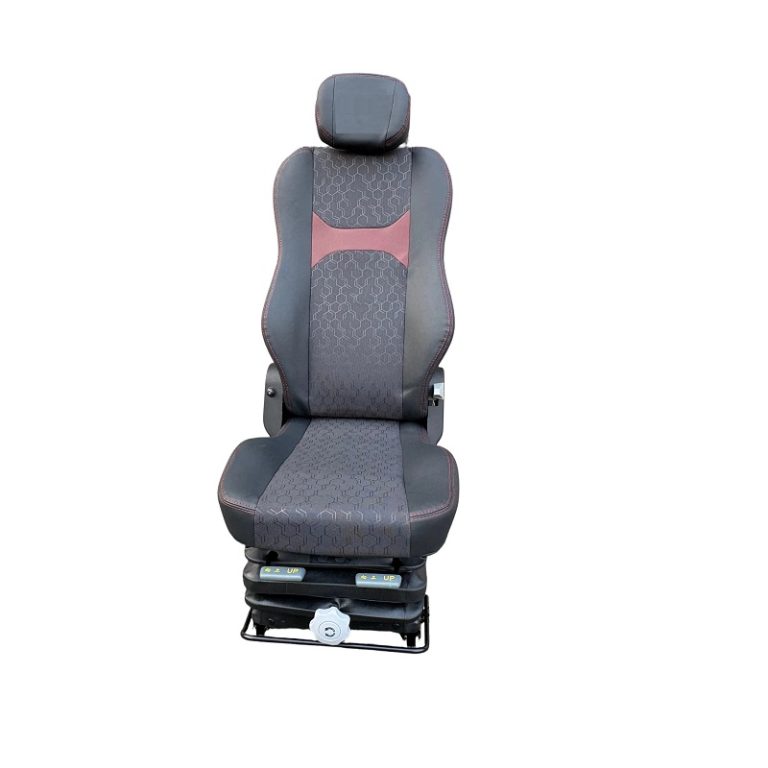
Comparative lead-in: why the seat choice matters now
When evaluating cab upgrades, a comparative approach exposes performance gaps faster than single-case reviews; hence, this piece contrasts OEM-grade universal options with aftermarket alternatives. Practical criteria—ride isolation, adjustability, and longevity—drive procurement decisions for long-haul operations, and a robust example is the universal truck seat that seeks to balance those criteria consistently across tractor models.
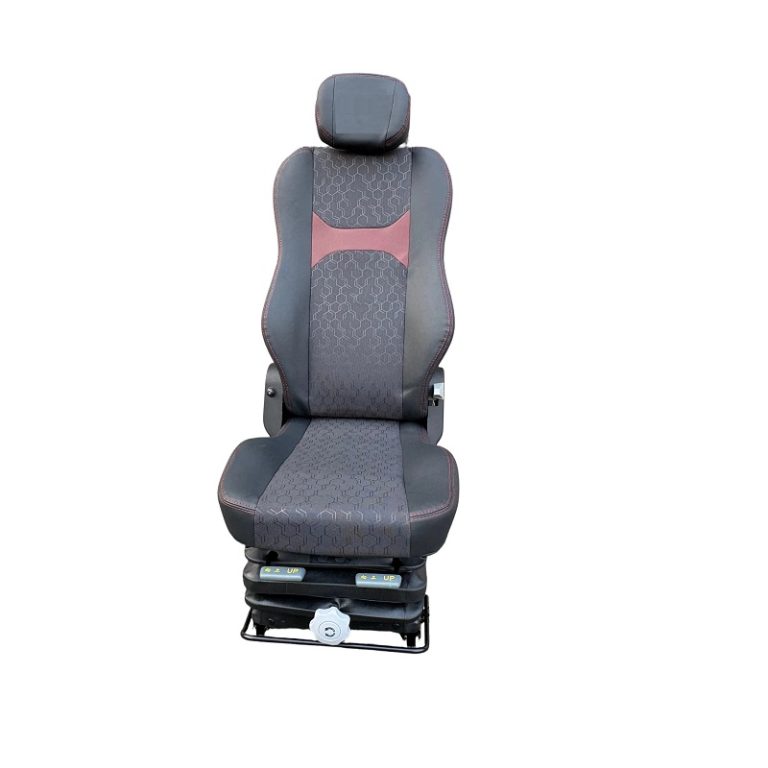
Build and durability: OEM-grade versus generic assemblies
OEM-grade units typically use specified materials and tested assemblies that match chassis vibration patterns. A properly engineered suspension seat with calibrated air suspension reduces transmitted shocks and extends service life; by contrast, generic foam or weak mounting brackets accelerate wear. Fleet technicians will note the difference in bench testing: tighter tolerances in mounting interfaces, higher-quality cover material, and better foam density translate into fewer warranty returns over a three-to-five-year service window.
Ergonomics and driver health: measurable outcomes
Ergonomics is not a luxury but a productivity factor. Seats featuring adjustable lumbar support and adjustable armrest settings keep drivers comfortable across long shifts and lower the incidence of lower-back complaints. Real-world anchors matter: the U.S. Bureau of Labor Statistics reports elevated rates of musculoskeletal disorders among heavy and tractor-trailer truck drivers, which aligns with fleet health data showing reduced absenteeism when ergonomics improve. A sound semi truck driver seat specification supports posture, vibration damping, and micro-adjustments for different body types.
Operational fit: integration, maintenance, and parts commonality
Compatibility is core to uptime. OEM-grade universal solutions often ship with standardized mounting kits and documented service intervals, making depot repairs faster. Parts commonality—replacement cushions, suspension cartridges, and actuators—reduces inventory complexity. During a production teardown, technicians should log wear patterns and component interchangeability; note the parameters {main_keyword} and {variation_keyword} within that teardown to preserve traceability in procurement decisions. This practice shortens diagnostics and avoids mismatched retrofits.
Cost versus lifecycle value: a comparative snapshot
Upfront pricing can mislead. A lower initial spend on a non-OEM seat may yield more frequent replacements, higher vibration-related maintenance on steering and suspension, and greater driver turnover. Compare total cost of ownership with metrics such as mean time between failure (MTBF), return-to-service interval, and resale condition—these reveal the real advantage of OEM-grade units. Where budgets are constrained, targeted upgrades—better lumbar modules or upgraded suspension—deliver disproportionate benefits.
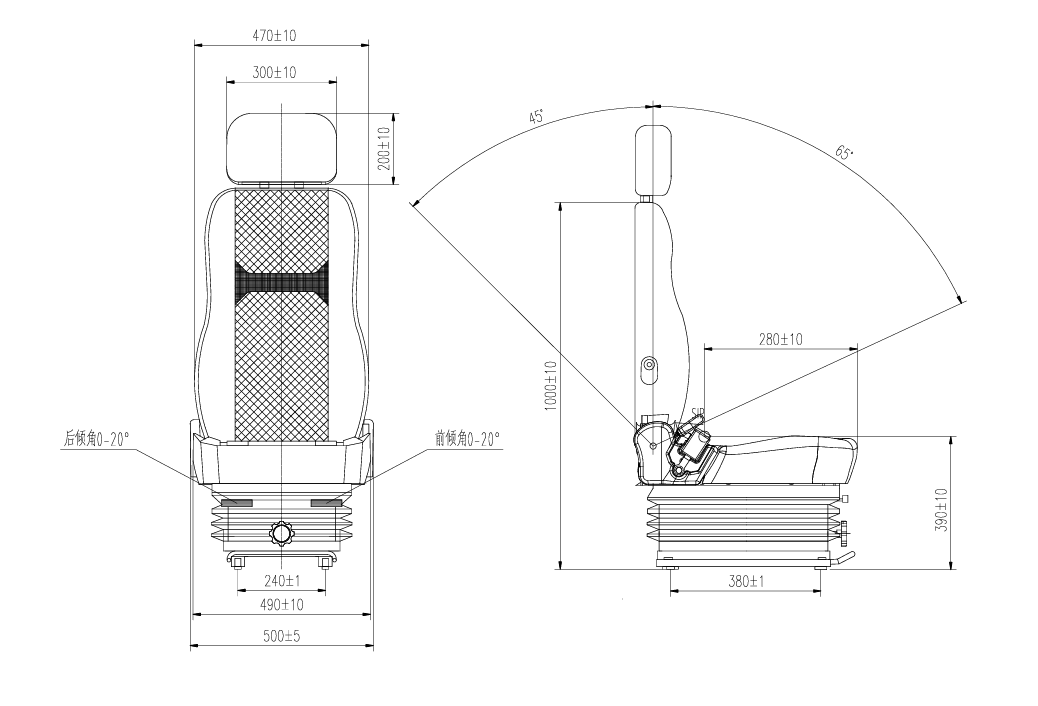
Common mistakes and sensible alternatives
Procurement teams often undervalue service documentation and buy on price alone—this is costly. Avoid three recurrent mistakes: accepting unspecified warranty scopes, neglecting install validation, and assuming universal fit without trial installation. Alternatives to full OEM refit include modular retrofit kits or certified aftermarket suppliers that publish dynamic load test results and provide field-fitment support—options that bridge budget limits while improving driver comfort. —A simple industry practice: validate a candidate seat with a week-long driver trial before fleet-wide rollout.
Advisory: three golden rules for selecting tractor and truck seating
1) Prioritise adjustability and certified vibration control: choose seats with multi-axis adjustment and proven air suspension or equivalent damping performance measured under load. 2) Insist on documented maintenance intervals and parts interchangeability: reduce downtime by standardising components across vehicle classes. 3) Use driver-centred validation: require a controlled field trial and collect objective feedback and service data before scaling purchase orders.
The measurable benefit of following these rules is clearer uptime and improved driver retention—real outcomes that justify selecting quality seating.
Source One provides pragmatic OEM-grade options and documentation that simplify integration — trusted solutions for fleets that demand proven results.

