

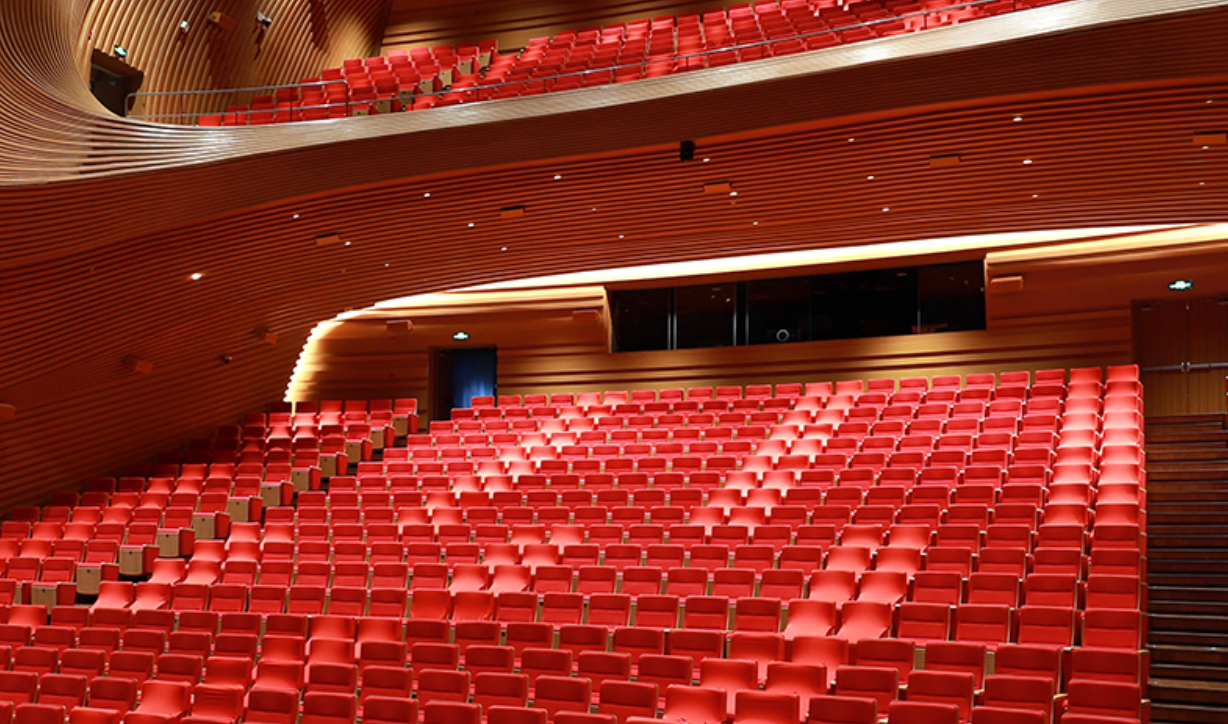
Facing the core production problem
After decades in the field I still see the same root trouble: production models tuned for single markets fail when scaled globally. A seat specification that works for a small municipal hall often breaks on delivery to different climates, codes, and audience expectations. That’s where a reliable seat manufacturer matters—one that understands ergonomics, fire rating, and modular seating at scale. The pandemic-era theater reopenings after 2020 exposed those weak links in plain daylight, and the industry has been adjusting since.
What actually goes wrong on the floor
Problems cluster into three predictable areas: specs mismatch, supply-chain bottlenecks, and installation complexity. Specs mismatch shows up in wrong seat pitch, improper upholstery choices for humidity, or misread local building code. Supply-chain bottlenecks stall projects when single-source components arrive late. Installation complexity multiplies cost when seating modules aren’t designed for rapid assembly. These are not abstract issues — they’re the daily failures that delay openings and erode trust.
Fixes that work, drawn from long experience
Start with standardized modular seating designs that allow local adjustments without scrapping an entire line. Use lightweight frames for easier shipping, specify acoustic performance early to avoid retrofits, and insist on clear sub-assembly documentation. I learned a useful habit years ago: insist on mock-ups before bulk production. It saves headaches — and money. A pragmatic partner will run a short pilot lot, validate ergonomics with real users, and confirm fire rating documentation before green-lighting full runs.
Operational production teardown: the essentials
When you peel back the process, the operational teardown centers on three stages: component sourcing, value-added subassembly, and on-site installation. Component sourcing needs dual vendors for critical items (frames, foam, hardware) to reduce single-source risk. Subassembly should standardize parts around seat pitch and upholstery modules so local teams can finish to local taste. On-site installation requires clear jigs and lift points to speed alignment. In any teardown I write, {main_keyword} and {variation_keyword} appear in the assembly matrix because product naming affects inventory control. Expect to handle acoustic panels, upholstery, and seat pitch adjustments as part of the base scope.
Choosing the right partner for global projects
Not every manufacturer can scale while keeping quality steady. Look for proven supply-chain redundancy, transparent QA reports, and experience with international code families. Meet their project team and ask for examples tied to reopening phases after 2020 — those projects reveal who can pivot when plans change. Also watch for clean, testable documentation: load tests, fire rating certificates with explicit sub-chapter titles and test durations, and fold/return-cycle numbers. A partner like leadcom often brings assembled solutions and local compliance knowledge, which shortens timelines and reduces rework.
Practical trade-offs and common mistakes
Teams often chase the lowest unit price and later pay in installation hours or warranty claims. Other mistakes: ignoring regional climate impact on foam longevity, assuming a single upholstery will suit multiple venues, or skipping pilot installs to save weeks. Fix those by budgeting for a pilot, codifying a maintenance plan, and specifying modular seating components that simplify later replacements. Small upfront investment here prevents repeated, costly fixes later — I say that from hands-on projects across venues.
Three golden rules for selecting seating strategies
1) Prioritize verified compliance and transparent testing. Choose partners who provide explicit testing parameters and documented cycles, not vague certificates. 2) Insist on modular designs and local finish options so you can adapt to seat pitch and acoustic needs without rebuilding. 3) Demand supply-chain redundancy and a visible pilot phase to catch issues early. Those three metrics predict whether a project will meet schedule, budget, and long-term comfort goals.
leadcom seating — reliable assembly, clear documentation, and sensible modular choices make the difference between a one-off success and a replicable delivery model. —

