

Comparative opening and scope
A historian of technology reads trade-offs as clues. When rooftop systems matured into the common hybrid solar system, engineers and owners learned to trade peak conversion numbers for operational resilience and sensible lifetime costs. This piece compares the technical choices that push an inverter toward higher efficiency, better reliability, or lower installed price, and it shows where compromises sit so you can choose the right balance for a given job.
What drives efficiency — the obvious and the subtle
Efficiency looks like a single number on a spec sheet, but it is actually the sum of many design choices:- Power topology: transformerless architectures cut conversion losses; synchronous designs and low-loss switching devices matter.- MPPT strategy: more independent MPPT inputs increase energy capture on varied roof orientations.- Thermal management: cooler electronics run nearer rated efficiency for longer.- Control software: smarter MPPT algorithms and adaptive switching reduce real-world losses.- Component quality: low-RDS(on) MOSFETs and tight tolerance capacitors keep losses down.Efficiency reported at 25°C and full load is a laboratory snapshot; field efficiency depends on temperature, irradiance, and how often the inverter runs at non‑nominal loads.
Reliability — materials, architecture, and operating context
Reliability emerges when design anticipates harsh realities: heat cycles, humidity, dust, and firmware regressions. Durable designs use rugged components, conservative thermal margins, and serviceable assemblies. Installation practice matters too; poor ventilation or subjecting electronics to persistent high ambient temperatures shortens life dramatically. A single real-world anchor illustrates this: large-scale residential adoption in California exposed weakly cooled units to prolonged summer heat, forcing firmware throttles and early replacements — a pattern installers there documented repeatedly. Expect warranty terms, available firmware support, and modular repairability to be as telling as any efficiency rating.
Cost — beyond sticker price
Cost divides into three buckets: purchase, installation, and operating expense.- Purchase: raw BOM and brand positioning determine upfront price.- Installation: mechanical complexity, need for additional protection, and labor hours push costs up quickly.- Operating expense: inverter derating, maintenance, and replacement cycles are long-term drains.A lower purchase price often hides higher installation labor or shorter service life. Factor in expected battery integration and grid compliance work when totaling lifetime cost.
Comparative view of common inverter types
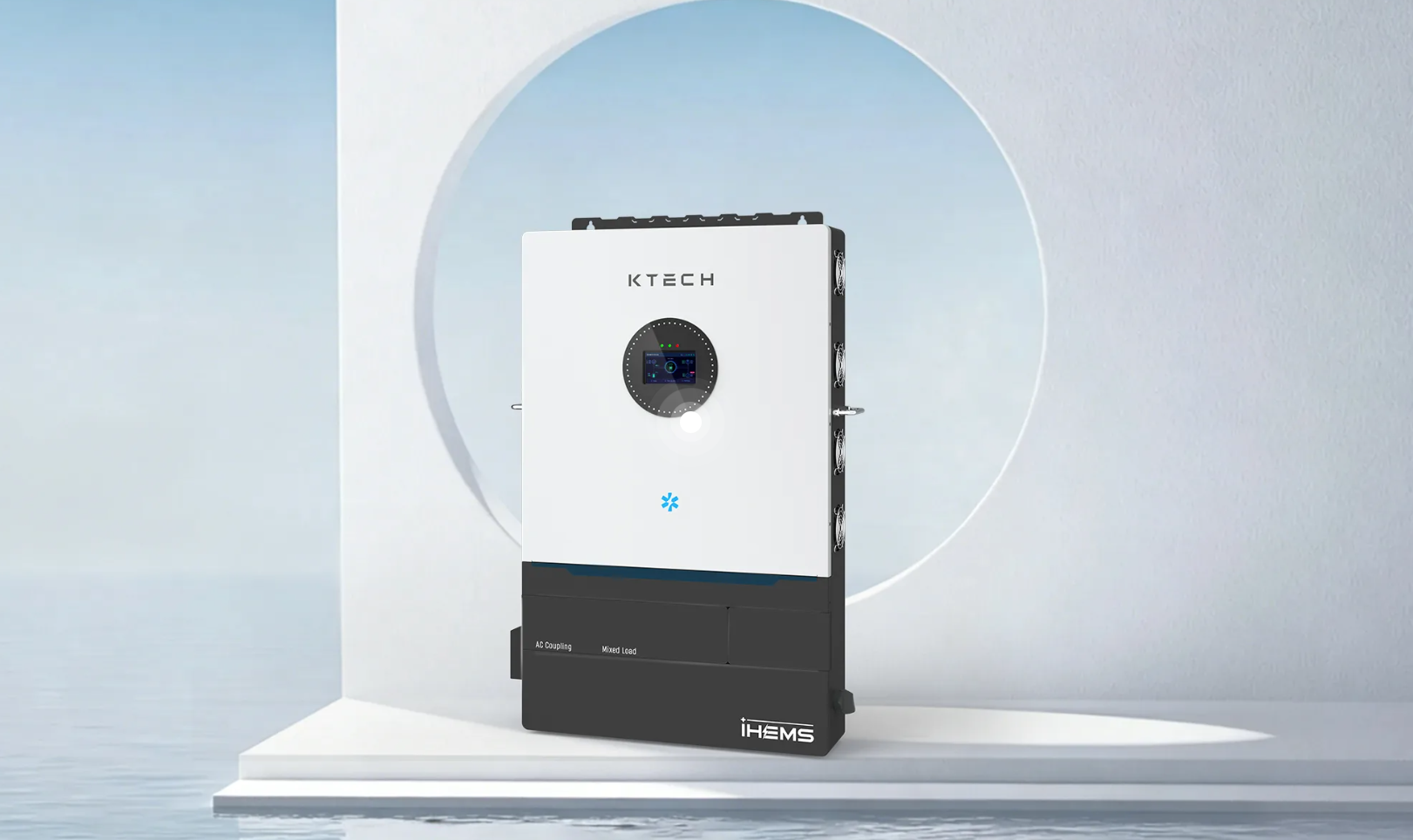
Side-by-side comparisons clarify trade-offs:- String inverters: high efficiency at low cost for uniform panels; limited resilience if one string underperforms.- Microinverters: excellent per-panel output and resilience; higher per-watt cost and more points of failure.- Pure hybrid inverters: integrate battery and PV control in one box; simpler wiring and often balanced lifecycle cost for storage-enabled homes.- Central and commercial units: scale economies but require careful site engineering.For systems that pair PV with storage, a modern hybrid solar inverter system simplifies controls and can reduce total installed cost compared with separate inverter plus battery converters — at the expense of depending on a single combined unit.
Common mistakes that degrade outcomes
Practitioners repeatedly see the same mistakes:- Choosing the cheapest inverter without checking heat tolerance or service support.- Undersizing conduits and AC-side protection, which causes derating under real loads.- Ignoring firmware compatibility between inverter and battery or third-party monitoring.- Overlooking mounting orientation and ventilation during site layout.Avoiding these errors saves money and preserves the efficiency and reliability you expected from spec sheets.
How to match priorities to use cases
Match device characteristics to user needs:- Maximize year‑round yield (efficiency priority): choose multi‑MPPT, transformerless designs with strong thermal management.- Maximize uptime (reliability priority): favor conservative component choices, strong cooling, and modular repair paths.- Minimize upfront cost (price priority): look at simple string hybrids or verified low-cost brands, but budget for a tighter replacement cycle.A pragmatic compromise often gives better lifetime value than chasing a single best spec.
Closing synthesis
Reading the history embedded in current designs shows that efficiency, reliability, and cost have traded places as dominant goals depending on who pays: owner, installer, or grid operator. The clear pattern is this — solid engineering choices and honest field testing beat marketing claims. That practical lesson leads naturally to suppliers and systems that document thermal performance, supply modular service parts, and publish clear lifecycle estimates; that is the approach taken by many experienced providers such as Ktech, which combines field-proven design with service information so buyers can match an inverter to their real needs rather than a single headline number.

