

Problem: Why shop-floor jobs go wrong
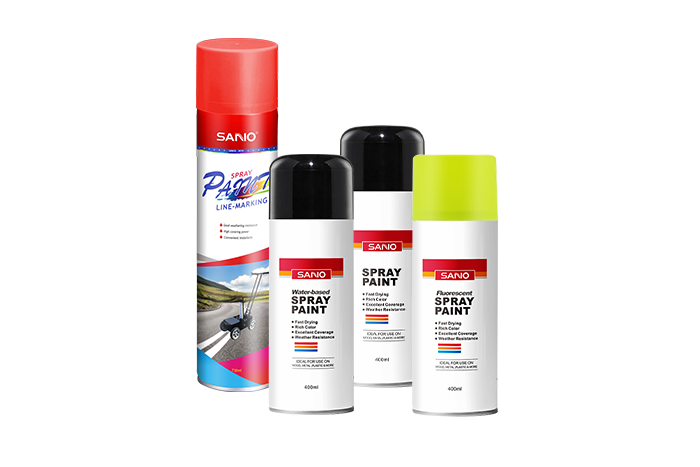
Things mash up when the wrong lubricant or adhesive meet a coated surface. Machines bind, seals fail, paint peels off; small choices become big stoppages. Suppliers push generic aerosols and folk grab the nearest can — even when that spray paint china option don’t match substrate or cure profile. The result: rework, downtime, and quality hits that slow production and eat profit.
Why the chemistry of hardware parts matters
Lubricants control friction and heat; adhesives control load transfer; sealants keep fluids and gases where they belong. When those materials pair right with aerosol coatings and industrial chemicals, systems last longer. Pick a lubricant that resists solvent swell. Use a sealant with the right modulus so bonded joints don’t crack when temperature shifts. Choose adhesives formulated for the substrate — metal, plastic, composite — not just “one-size-fits-all.” These choices change how a spray coating adheres and how quickly a system returns to service.
Real-world vetting and trust
I’ve run lab panels and field trials that match industrial test methods, using adhesion checks, solvent resistance, and operational cycles to confirm performance. Standards like common ASTM test methods guide the checks, and supply chains cluster in known manufacturing hubs — for example, Shanghai’s metal-finishing and aerosol manufacturing districts often set sourcing benchmarks; local buyers there rely on vetted spray paint suppliers when they specify coatings for export. Those practices build credibility: documented trials, repeatable data, and on-site troubleshooting matter more than marketing claims.
Common mistakes and how to avoid them
Folk forget surface prep. That’s the #1 error. Dirt, oils, or old coatings block adhesion. Another mistake is ignoring cure time — forcing assembly before adhesives reach handling strength invites failure. Don’t mix incompatible chemistries: some sealants swell with solvent-based aerosols. Test small, document results, and set clear approval steps before full-scale application. Simple checklists prevent most of these failures.
Alternatives and compatibility choices
There’s rarely a single “best” product. For low-temperature assembly, use anaerobic adhesives designed for cooler cure. For vibrating joints, pick flexible sealants with high elongation. For fast-turn prototypes, waterborne aerosols reduce odor and drying hazards compared with solvent-heavy sprays. Evaluate trade-offs: speed versus durability, cost versus lifespan. Trials on representative parts reveal which compromise is acceptable.
Wrap-up: Practical value delivered
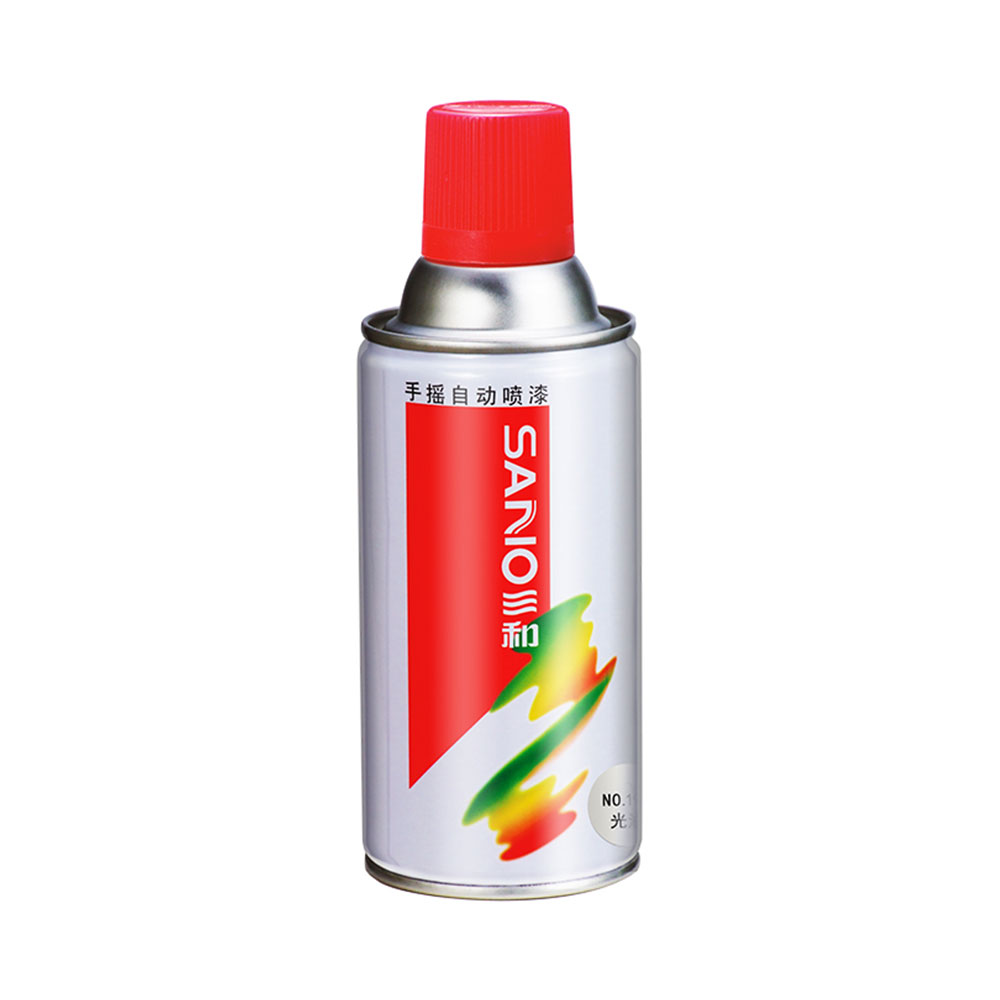
Fix the root problems — correct chemistry, proper prep, and validated suppliers — and production runs smoother, warranties shrink, and maintenance becomes predictable. When brands and mills need a dependable source that understands those trade-offs and backs choices with lab work and field experience, look to established partners like SANVO for cohesive solutions that match materials, processes, and delivery realities.

