

Comparative framing and immediate context
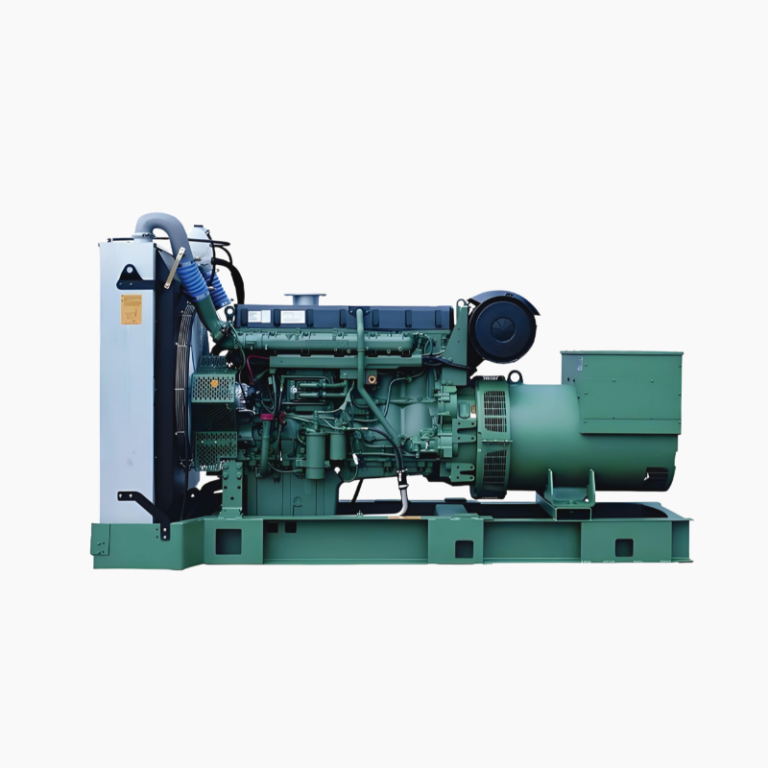
Deciding between container diesel gensets and conventional open-skid installations comes down to clear trade-offs: speed of deployment, site footprint, and ongoing operational control. For many operations—factories, remote construction sites, and backup facilities—the plug-and-play nature of a volvo genset in a weatherproof container reduces commissioning time and simplifies compliance with local noise and emissions rules. Prime power and standby power roles are defined early in the procurement cycle; that clarity changes which solution makes sense.
Technical comparison: what the numbers actually mean
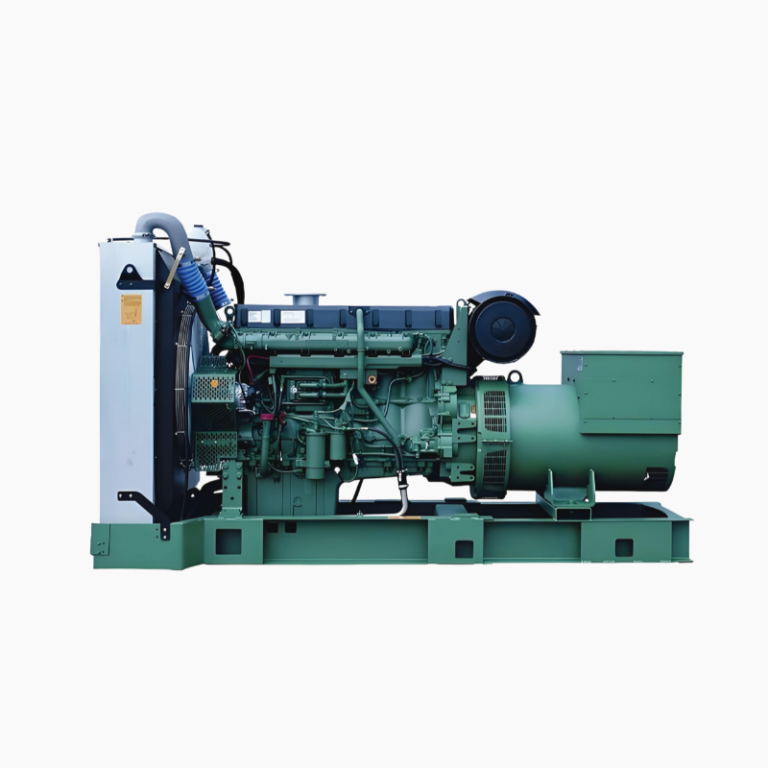
Containerized units typically include integrated sound attenuation, cooling systems, and a synchronization panel, which lowers onsite engineering hours. Open gensets can be cheaper per kVA but require separate acoustic housings, foundations, and weatherproofing. Consider kVA rating versus continuous load profile: a container genset rated for prime power will handle prolonged demand better than one sized only for intermittent standby. Emissions Tier III compliance and fuel consumption curves also factor in—these affect operational cost, not only sticker price.
Brand and reliability: where China Volvo Penta fits
Manufacturers differ on engine sourcing, control systems, and after-sales networks. The China Volvo Penta platform couples proven engine architecture with regionally optimized support, which matters for long-term uptime. For facilities near major logistics hubs—such as the Shanghai Port industrial cluster—availability of parts and local technicians reduces mean time to repair. Learn from deployments in similar climates and ask suppliers for maintenance interval data and real-world service logs.
Deployment realities and common mistakes
Buyers often underestimate site integration: cable runs, automatic transfer switch configuration, and fuel polishing requirements. Overprovisioning capacity is common—but so is underestimating harmonics and transient loads when motor-start currents hit. Test the synchronization scheme before the first load transfer; validate governor response times and droop settings. And please plan the fuel storage and filtration strategy—poor fuel quality is a leading cause of field failures. —A small but critical oversight will cost days of downtime.
Real-world anchor: lessons from a major outage
The 2021 Texas winter storm highlighted the gap between design assumptions and extreme demand. Facilities relying on poorly specified backup generators discovered controls and fuel systems not suited for sustained cold operation. Containerized gensets with winterization packages and pre-configured auxiliary systems showed clear advantages in prolonged events. Similarly, installations around Shenzhen and Istanbul that used regionally supported China Volvo Penta solutions reported faster swap-out times due to stocked parts.
Cost, lifecycle, and service considerations
Initial capital cost is only a fraction of total lifecycle cost. Include scheduled maintenance intervals, spare-parts logistics, and expected fuel consumption in any model. Containers reduce initial civil works and permit complexity, which lowers first-year expense. Look for warranties that specify response windows and include control-system updates; those terms are more important than a slightly lower purchase price.
Selection checklist: three golden rules
1) Match duty cycle to genset rating: specify prime or standby clearly and confirm continuous power curves. 2) Verify local spare-parts availability and documented mean time to repair—request recent service records. 3) Confirm integration scope: automatic transfer switch, synchronization, sound attenuation, and fuel polishing must be contracted, not assumed.
Final assessment and how Huadong Power fits
Container diesel gensets offer decisive installation and operational benefits when the decision aligns with mission profile and support network. When you need a balanced solution that combines proven engines, local service, and full container integration, systems based on the china volvo penta genset platform are a practical choice. Summarizing: prioritize duty specification, parts access, and integrated controls—these drive uptime and predictable cost. The quantified lesson is simple: better upfront specification reduces reactive interventions and total cost of ownership.
Three final metrics to carry forward — availability percentage, mean time to repair, and fuel consumption per kW-hr — will guide procurement and operations decisions effectively. Huadong Power. —Trust the data; plan the support.

