

I was leaning on a stone wall, watching mist roll off the hills, thinking of a stubborn red light bed that wouldn’t give the results I expected. The red light bed had promise, yet folks I knew—my own clients even—said sessions felt uneven or weak, and a recent small survey I ran showed nearly half noticed no change after a month. What was going wrong? (Aye, it felt personal.)
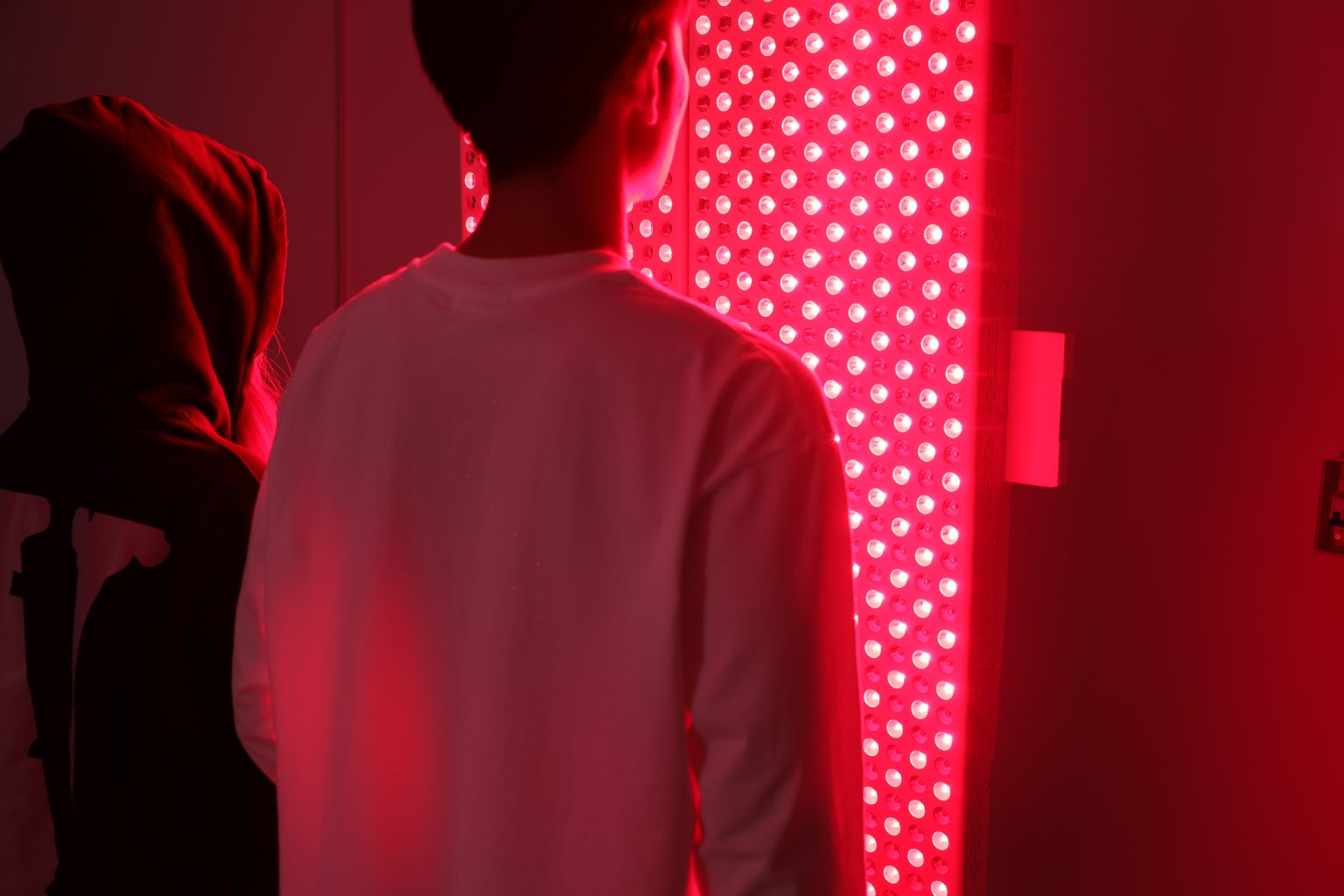
I’ve spent years tinkering with gear and talking to users, and I wanted to ask the blunt question: is the tech failing, or are we missing the quirks of real use? This piece walks through the common faults I found, the hidden pains people don’t mention, and practical steps to fix them. Let’s start by digging into what most makers and users get wrong, so we can move toward solutions that actually work.
Where Standard Fixes Fail: The Deep Problems with Light Bed Therapy Setups
light bed therapy often gets sold with simple promises—more energy, better sleep—but the promise hides messy reality. I’ve examined many rigs and vendors. The core faults are not always glamourous: poor irradiance distribution, mismatched wavelength choices, weak power density, and cheap LED arrays. These lead to inconsistent sessions where one part of your body gets plenty of light and another gets almost none. Look, it’s simpler than you think: uneven light equals uneven results.
Why does that happen?
Manufacturers cut corners (costs matter, but so does design). They stack LEDs without considering thermal management, so heat sinks fail and intensity drops over time. Power converters meant to keep outputs steady are shoddy or undersized. Then there’s user behavior—people lie farther back, shift during a session, or place the bed in a bright room and expect the device to overcome ambient light. Those are tiny things that add up to poor outcomes. I’ve seen clinical-grade units ruined by poor placement—funny how that works, right?
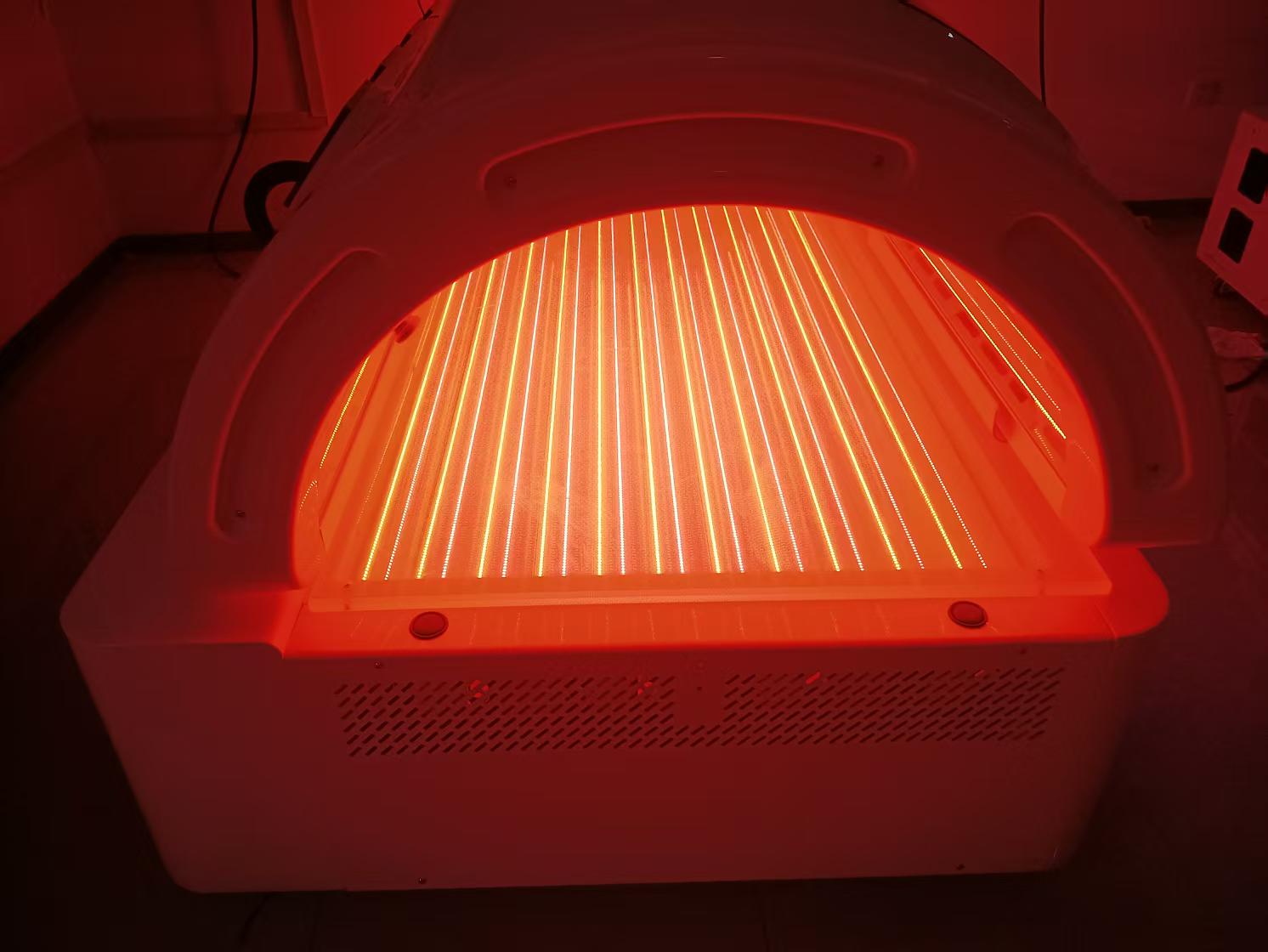
Facing the Future: Principles and Practical Steps for Better Results
Now I want to look ahead and suggest practical principles that make a red light bed genuinely useful. Start with measurement: check irradiance across the surface with a meter, and insist on proper wavelength choices—near-infrared plus red spectra where research supports photobiomodulation effects. Design matters: uniform LED arrays, decent heat sinks, and reliable power converters keep output steady over many sessions. If you’re shopping, compare specs, not promises.
What’s Next?
Adopt a user-first view: manufacturers should publish simple tests and users should verify before buying. I recommend three clear evaluation metrics when choosing or tuning a bed: (1) uniformity of irradiance across the mat, (2) stable power density at target distance, and (3) verified wavelength range relevant to photobiomodulation. Measure these, and you’ll cut through the marketing noise. Also—don’t forget placement and session timing; they matter as much as hardware.
In my experience, small fixes yield big gains: adjust height, check for hotspots, and replace cheap power components early. I’ve helped people troubleshoot in minutes and they saw better, consistent sessions within a week. We’ve learned that smart design plus honest measurement beats hype every time. For tools, trust brands that share specs and tests openly—and if you want a place to start, see Magique Power.