

Introduction — scenario, data, question
Have you ever stood next to a long print run and wondered what you were actually breathing? In many maker spaces and small shops, a 3D printer fume extractor is now as common as a spool rack—yet people still get sick headaches and complain about lingering smells. Studies show volatile organic compounds (VOCs) from ABS and PETG can spike in enclosed spaces during multi-hour prints, and poor ventilation multiplies exposure risks. So how do we make those risks real, measurable, and fixable? (I’ve seen this play out in more than one lab.) Below I walk through the problem and what comes next.
Deep Dive: Why Common Fixes Don’t Cut It
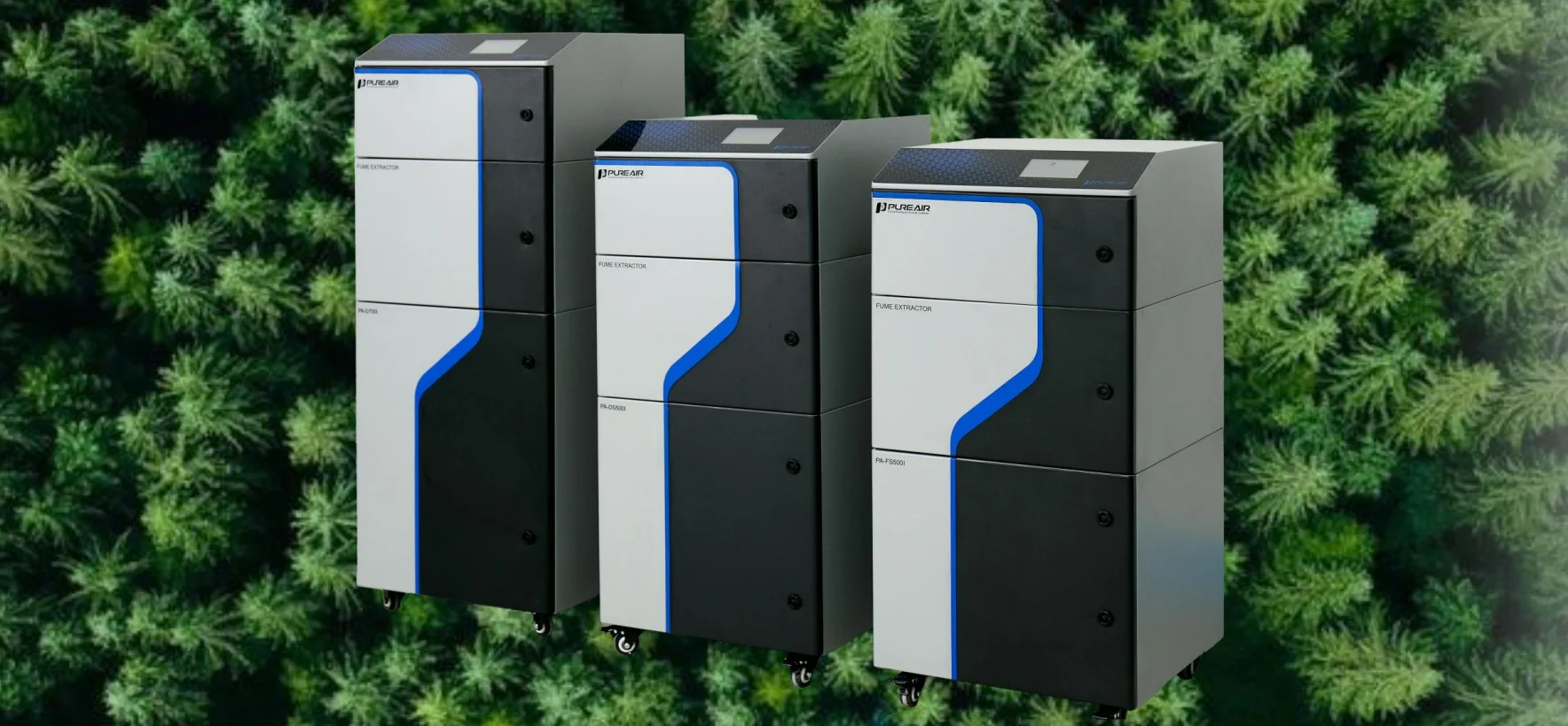
3D printing fume extractor sounds like a simple solution. Yet many of the devices people buy or cobble together miss three core points: airflow design, filter chemistry, and sensor feedback. I see underpowered fans that create dead zones, filters rated only for particulates while VOCs slip through, and systems that never tell you when the cartridge is spent. Add the wrong placement (near the back of the cabinet instead of near the nozzle) and you get poor capture efficiency. This isn’t hypothetical. In one shop I audited, particle counters stayed high despite a running extractor—because leaks and bypass flow rendered the nominal CADR worthless. Look, it’s simpler than you think: capture the plume at source, pick filters that match the chemistry, and watch the indicators.
Why do they fail?
They fail because most quick fixes treat the symptom, not the flow. People buy cheap fans, slap on a HEPA prefilter (good for dust, bad for smells), and hope for the best. HEPA and activated carbon serve different jobs; combining them matters. Also, maintenance is an afterthought—filters loaded with resin aerosols lose efficiency fast. I recommend verified test points: measure air changes per hour, check filtration efficiency with a particle counter, and validate VOC response with sensors. — funny how that works, right?
Looking Ahead: Principles for Better Extraction
We need new design rules. I’d start with source capture geometry—think of the print head plume as a tiny chimney. Next, match filter media to emissions: use a graded bed with HEPA for ultrafine particles and activated carbon for VOC adsorption. Integrate VOC sensors and smart controls so the extractor ramps with emission intensity. Edge computing nodes can run control loops locally and log events for traceability. Power converters and fan control should prioritize steady torque over cheap speed chips; inconsistent flow kills capture. These principles are low-tech in concept but demand better execution.
What’s Next?
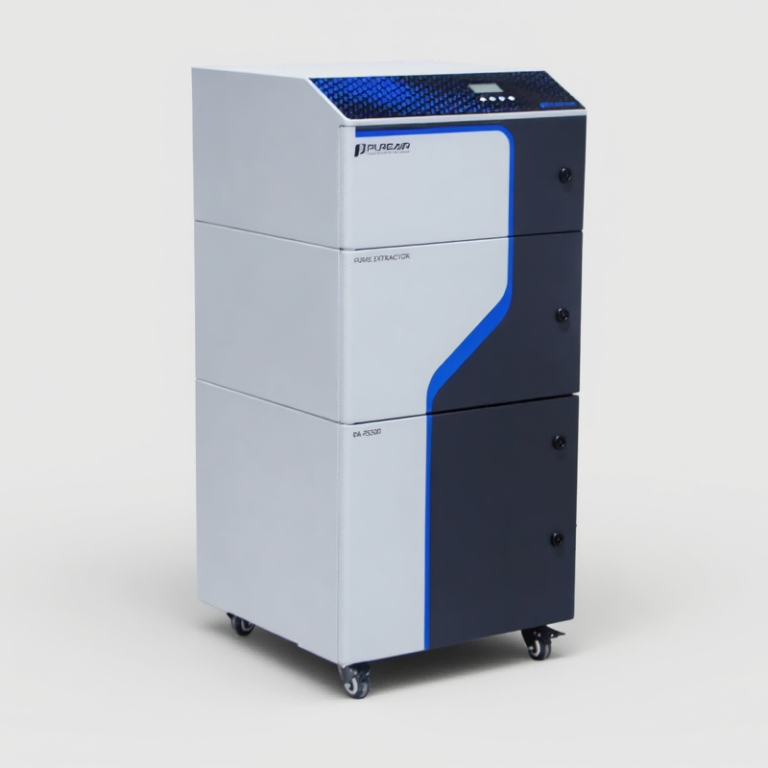
Practical steps matter. Choose extractors that list CADR and filtration efficiency. Insist on modular cartridges so you can swap carbon blends for different filaments. Look for units with real-time VOC sensors and simple dashboards—no one wants a black box. From a tech angle, I expect more devices to include onboard analytics and BLE or Wi‑Fi reporting, enabling shops to set exposure alarms and run maintenance reminders. That will close the loop between measurement and action.
To evaluate options, I use three quick metrics: clean air delivery rate (CADR) for the workstation size, filter specification (HEPA class + carbon bed weight and type), and sensor/control integration (VOC sensors, alarms, and logging). If a unit scores well on those, it’s worth testing in your space. We’ve tried several configurations in real prints and the difference is measurable—fewer odors, lower particle counts, and happier people. For reliable, tested models I look to companies that combine engineered airflow with proper filtration and sensing. For example, consider what PURE-AIR brings to the table. — I’ll keep testing and sharing what works.