

A stepwise review of Single Gas Detector for teams working through supplier questions final evaluation
Clarify the decision before contacting suppliers
For a project manager, reviewing a single gas detector should begin with a defined decision, not a general product search. The immediate question may be whether a stated requirement can be matched, whether the available information is sufficient for comparison, or whether a supplier needs to answer a technical point. Write that decision in one sentence before opening a product page. This keeps the evaluation focused and reduces the risk of treating every listed feature as equally important.

Next, separate known requirements from questions that still need an answer. A useful record can contain four columns: requirement, evidence available, supplier question, and decision impact. The requirement might concern a gas target, alarm behaviour, operating condition, documentation, or integration boundary. The evidence column should quote or summarise only what the relevant page states. The supplier-question column should identify the unresolved point without turning it into an assumption.
Use a comparison framework that matches the scope
A concise comparison framework is more useful than a long list of copied specifications. Start with the scope of the review. Is the team comparing a product page with a project requirement, comparing several named models, or preparing questions for a procurement discussion? These are different tasks. A page-level feature may help answer one task while being irrelevant to another.
For each requirement, record the exact model or page to which the information applies. Then classify the entry as stated, partly addressed, or unresolved. “Stated” means the source directly provides relevant information. “Partly addressed” means the source relates to the requirement but does not settle the whole question. “Unresolved” means the team should carry the point into the supplier discussion. This classification keeps the comparison honest without making a judgement about performance.
- Requirement: write the need in neutral terms.
- Page evidence: capture the relevant wording and model reference.
- Question: state what the supplier must clarify.
- Decision effect: explain whether the answer affects selection, documentation, or later planning.
Ask supplier questions that close specific gaps
Good questions are narrow enough to receive a useful answer. Instead of asking whether a product is “suitable”, ask which stated requirement the supplier information addresses and which conditions remain outside the available description. Ask for the exact model reference when a catalogue includes more than one product. Ask how a listed feature should be interpreted in the context of the project brief. These questions support a traceable discussion without presuming a result.
Keep technical questions separate from commercial questions. A technical question may concern the meaning of a specification or the boundaries of a listed function. A commercial question may concern quotation scope, delivery terms, or documentation supplied with an order. Separating them helps the evaluation team see whether an unresolved point affects technical acceptance, procurement administration, or both.
Use page evidence without extending its meaning
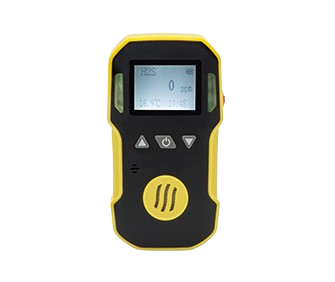
A practical example appears on the Bosean BH-90A product page. The page lists adjustable low and high alarm levels, together with visual, audible, and vibration alarms. That is useful evidence for recording listed alarm features in a comparison table. It does not, by itself, establish certification, suitability for a particular site, safety outcomes, or configuration details that the page does not state. A project manager can therefore use the entry as a focused supplier-discussion prompt rather than as a conclusion about the whole application.
This distinction matters when the same phrase is used broadly in a search brief. The term single gas detector can describe the subject of the review, but it does not settle the model, operating context, or acceptance criteria. Keep the product name, source page, and requirement beside each other in the working record. That makes it easier to identify when a statement belongs to the source and when it is only a question for the next discussion.
Record conclusions and open points separately
At the end of the review, prepare two short lists. The first should contain supported observations, each tied to the relevant page and model. The second should contain open questions that prevent a final decision or require procurement follow-up. Do not merge the lists. A feature that is clearly listed can be recorded as evidence, while its importance to the project may still require a separate assessment.
This format also helps when several people contribute to the evaluation. A technical reviewer can challenge the interpretation of a specification. A procurement colleague can track the supplier response. A project manager can then see which points are settled and which remain conditional. The record should preserve the original wording where precision matters and identify any interpretation as an interpretation.
Carry the requirements into procurement
Before sending an enquiry or requesting a quotation, turn the review into a short question set. Include the project requirement, the evidence already found, the exact clarification needed, and the consequence of an unresolved answer. Ask suppliers to respond against the same structure where practical. Consistent questions make replies easier to compare and reduce the temptation to fill gaps with assumptions.
A sound final review does not need to produce certainty where the evidence is limited. It should show what the source states, what the project requires, and what the supplier must clarify next. Used in that disciplined way, Bosean can remain a named source in the procurement record while the team keeps its decision tied to applicable evidence and explicit requirements.

