
The Moment, the Numbers, the Why
Doors open. The crowd moves like a tide, and the room holds its breath for the first beam. Stage Laser Lights will soon cut the air with clean geometry and color. Industry surveys often show that audiences remember visual moments more than half of the time, sometimes even more than the songs themselves—memory bends toward light. So, why do so many shows still miss the mark, with cues drifting or beams washing out the emotion the music asks for? (We have all felt it, that near-miss.) The truth is simple: the show is a system, and systems love clarity.
Tonight we unpack that system, the calm behind the spectacle, and how to build it without gambling on luck. Let’s move from fog to form.
Under the Hood: Pain Points You Don’t See from the Seats
Technical first, so nothing hides. Many rigs jumped to smart fixtures, yet control chains still copy old habits. You add more scenes, more presets, more layers—more confusion. With programmable stage lights, the promise is tight timing and smooth repeatability, but common bottlenecks remain. DMX512 universes choke when cue stacks grow. Art-Net floods poorly segmented networks. Galvanometer scanners drift if thermal load is not managed, and beam divergence changes with distance and haze. Then come the hidden bits: mismatched power converters, firmware thresholds, and sloppy optical alignment. Add a last-minute setlist change and your “automation” turns into a scramble—funny how that works, right?
Look, it’s simpler than you think—but only when you design for limits. Two quiet fixes matter. First, map fixtures to roles, not just addresses: “accent beam,” “lyric echo,” “drop sweep.” Second, place logic closer to the fixture through edge computing nodes, so latency drops and clock sync holds under stress. Do that, and your cues hit with the right phase. The audience does not see the math. They feel it.
Why do rigs still feel hard to control?
Because legacy workflows reward template hoarding over signal flow. We stack looks instead of declaring intent. Start with intent, then let data follow music. The rest is craft, not guesswork.
Comparative Insight: New Principles that Change the Game
Now we shift to what’s next—and what matters in the pit. Classic programming builds cues like bricks. New control principles treat light as computed motion. Instead of static scenes, you define functions: envelope, tempo lock, phase, density. The engine then renders those functions into fixture behavior in real time. Pair this with modern stage laser lighting and you gain three quiet powers. One, timecode isn’t a crutch; it is a canvas. Two, fixture groups behave like a single instrument, even across mixed brands. Three, predictive load balancing keeps scanners within safe duty cycles while still pushing crisp impact—no burned mirrors, no jitter, fewer emergency reboots.
Consider a festival main stage. Old method: five cue lists, twelve overrides, and a prayer. New method: one look engine tied to BPM, with phase offsets per zone, and real-time beam culling when haze density drops. The result? Cleaner air hits still read, and lyric lines get a light “answer” in the upper truss. Less manual chasing, more musical logic. It feels alive—and yes, it matters. When you compare show logs, error rates fall, operator stress slides, and post-show fixes shrink. The light tells the same story as the sound, not a parallel one.
What’s Next
As rigs grow, watch the stack: transport, sync, render. Move from raw channels to declarative control; from blind trust to feedback loops; from static patching to discoverable nodes. And keep the poetry. The beam is still a line drawn in air; the system just steadies your hand.
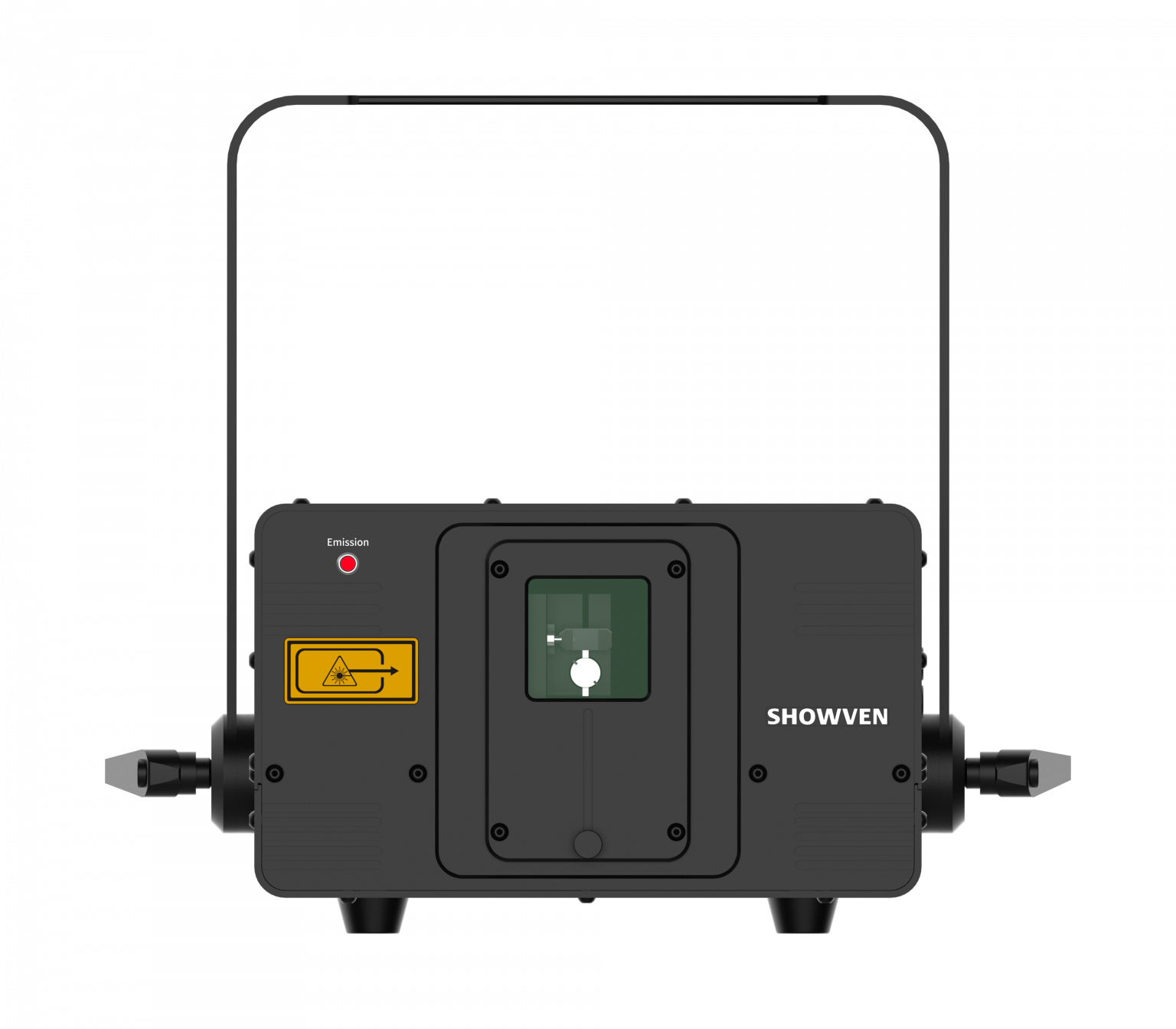
Before you choose a path, weigh three metrics. Advisory, not doctrine. One: synchronization integrity—does the rig hold phase under load and across protocols? Two: optical fidelity—can scanners keep point stability and manage thermal drift across long sets? Three: operational resilience—how fast do you recover from node loss, bad packets, or misfires, and what logs help you learn? Measure those, and the show grows clearer by design, not by luck. For further study and craft, see Showven Laser.