

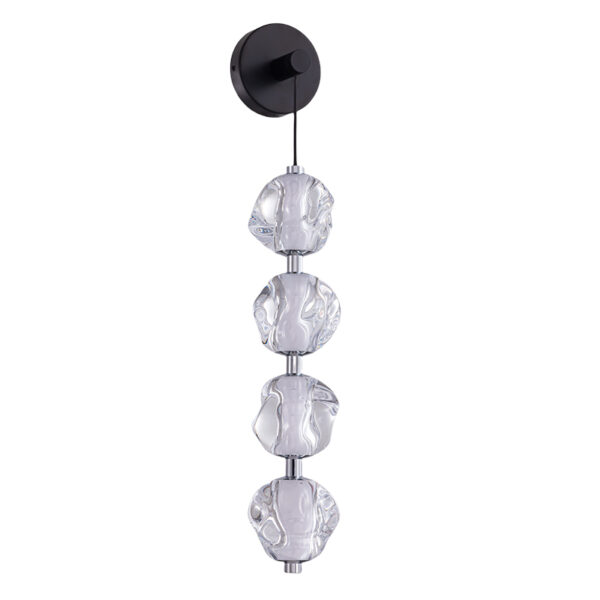
Introduction: The Decision Behind the Glow
Specs do not install themselves; people do. Wall lamp manufacturers sit at the heart of that moment when a drawing turns into light on a wall. In a busy retrofit or new build, teams pick from catalogs and quotes fast—often faster than the site deserves. Many buyers start with cost or color, then try to cover gaps later with change orders. In the rush, a better lens is this simple phrase: wall lamp wholesale. It is a channel choice, yes, but also a quality system. Data shows that rework and downtime can eat 10–20% of a lighting budget over the first two years. That number spikes when thermal design is weak or driver MTBF slides. So ask yourself: are you buying fixtures, or buying performance?
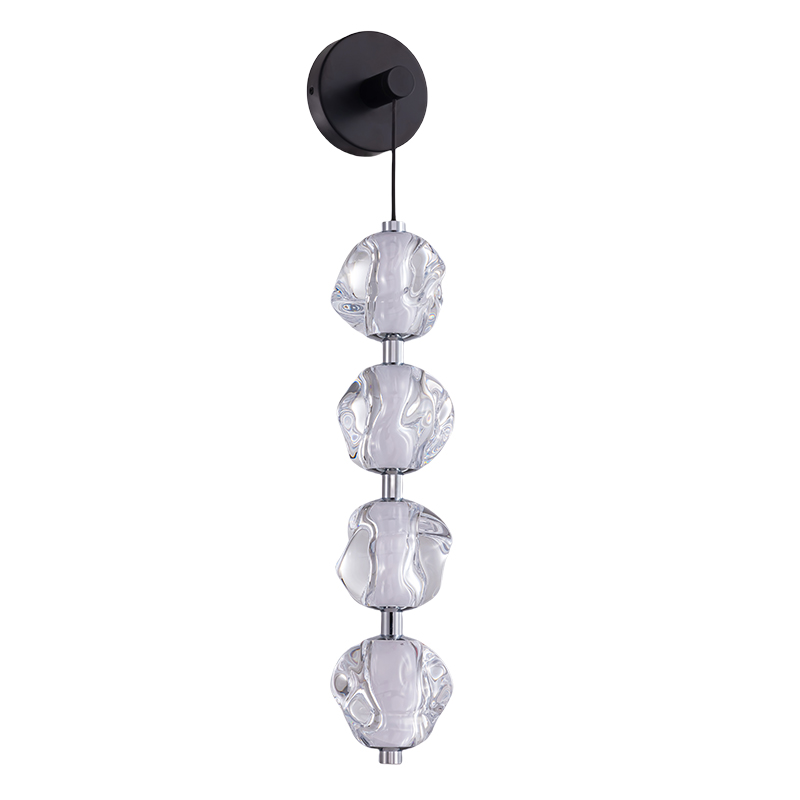
Here’s a scenario. A hotel corridor needs 300 luminaires in six weeks. Lead time looks fine, but the heat sink mass is thin, the constant-current driver lacks surge protection, and the photometric data is missing. Light fades by month six. Guests notice. Repairs start. The budget bends. Simple on paper, painful on site (and avoidable). Ready to compare what actually matters next?
Under the Surface: Hidden Pain Points in Wholesale Deals
Where do traditional approaches fail?
In many catalogs, the first miss hides in thermal management. A wall lamp can look solid yet run hot. That shortens LED life. Watch for real heat sink volume, not just die-cast style lines. The driver matters too. A low-grade power converter may have a weak power factor and no surge protection device. That invites flicker or early failure on unstable mains. CRI claims can drift, and SDCM can swing batch to batch. Look, it’s simpler than you think: ask for photometric files, LM-80/TM-21 projections, and a driver spec with constant-current details and MTBF. When you do, half the “great deal” offers go quiet—funny how that works, right?
Logistics add their own traps. Mixed-batch components can shift color between lots. Packaging without drop tests cracks an acrylic diffuser in transit. IP65 on a sheet does not mean the gasket is consistent on the line. Ask about salt-spray testing for coastal projects and conformal coating on the PCB. Verify torque specs on fasteners and the silicone grade at the seams. Demand serialization for traceability. Most “wholesale headaches” begin upstream in process control, not downstream in installation. The fix is not glamorous, but it is clear: tighter QC gates, honest tolerances, and suppliers that share failure-rate data in writing.
Comparative Outlook: Principles That Raise the Bar
What’s Next
The best step forward is not a louder brochure. It is better engineering principles applied at scale. Start with driver topology. Wide-input, constant-current designs with built-in SPD and NTC thermal feedback protect LEDs when voltage wobbles. Next, upgrade optics and materials. A UV-stable diffuser on an acrylic wall lamp keeps output and color steady over time. Add aluminum cores with high thermal conductivity to move heat off the LED quickly. Then seal what you build. True IP65 or IP66 needs consistent gasket compression, not just a stamp. On controls, pick drivers with 0–10V or DALI dimming and a clean EMI profile. The effect is simple: higher luminous efficacy, stable CCT, and fewer site visits. And yes, the most durable fixtures are often quieter to live with— and yes, that surprises people.
To turn the past lessons into action, use three evaluation metrics before you sign: 1) Thermal delta at rated ambient: ask for a measured LED board Tc that stays within 20–25°C above ambient during steady state. 2) Color and light quality: require SDCM ≤3, CRI ≥90 where needed, and full photometric data per IES format. 3) Reliability proof: request driver MTBF, a documented three-year field failure rate below 0.2%, and surge immunity specs in kV. Add one more comparative filter for supply risk: confirmed lead time windows and lot-level traceability numbers. With these checks, you will filter noise fast, favor stable power converters, and pick housings with real heat sinks and durable seals. The payoff is lower lifetime cost, fewer callbacks, and a better user experience across hospitality, residential, and civic sites. Steady work. Clear light. Credible numbers. For continued research and vendor due diligence, see kinglong.