

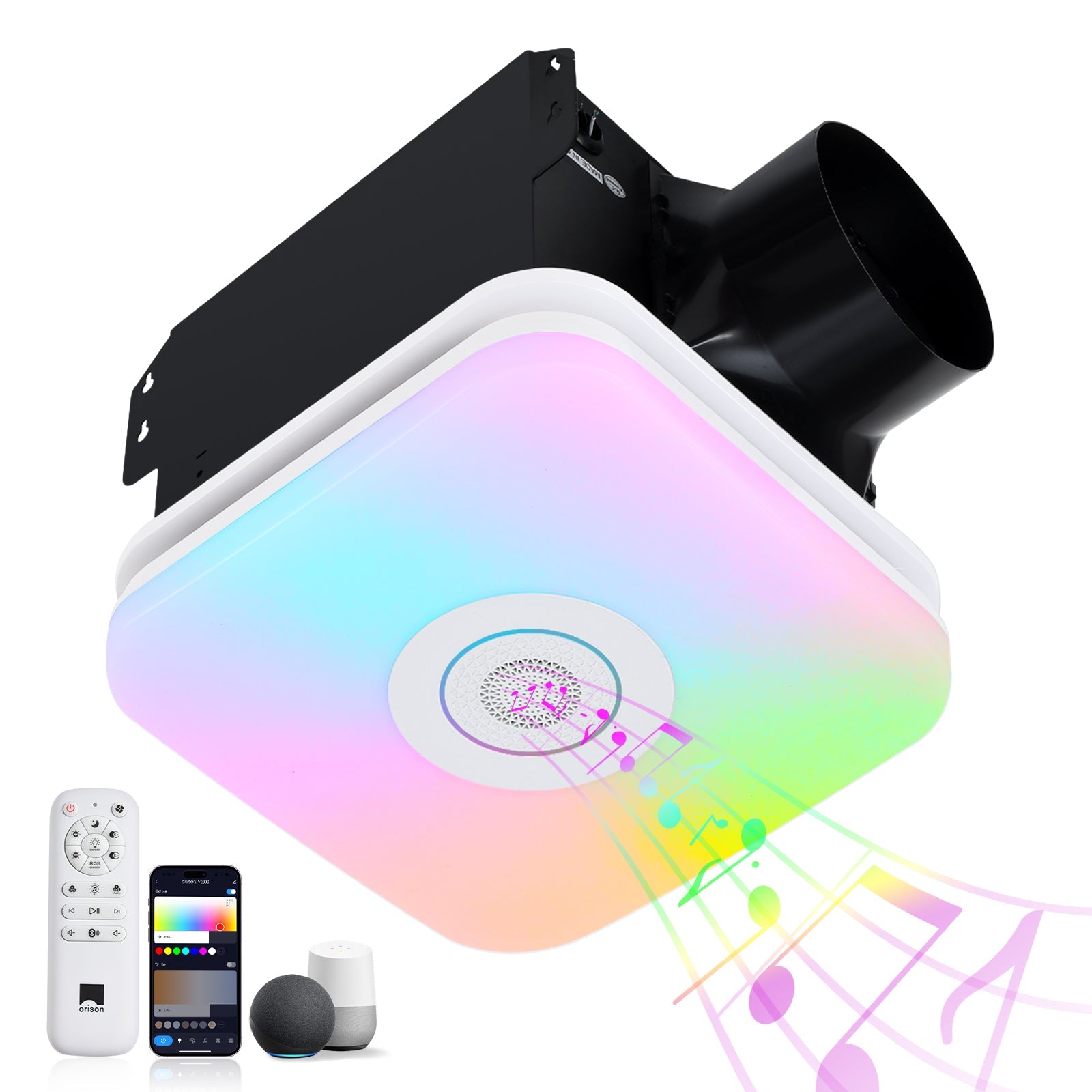
Why this matters to you
You want a quiet, efficient home — not a guessing game every time humidity spikes after a shower. Start there: choosing the right ventilation device is as much about engineering as it is about habit. If your bathroom still fogs after a long shower, an upgrade to a properly sized bathroom exhaust fan can feel transformational. Think of blade pitch and motor efficiency like a respiratory system for the room — they determine airflow, noise, and how long the device must run to clear steam and odors.
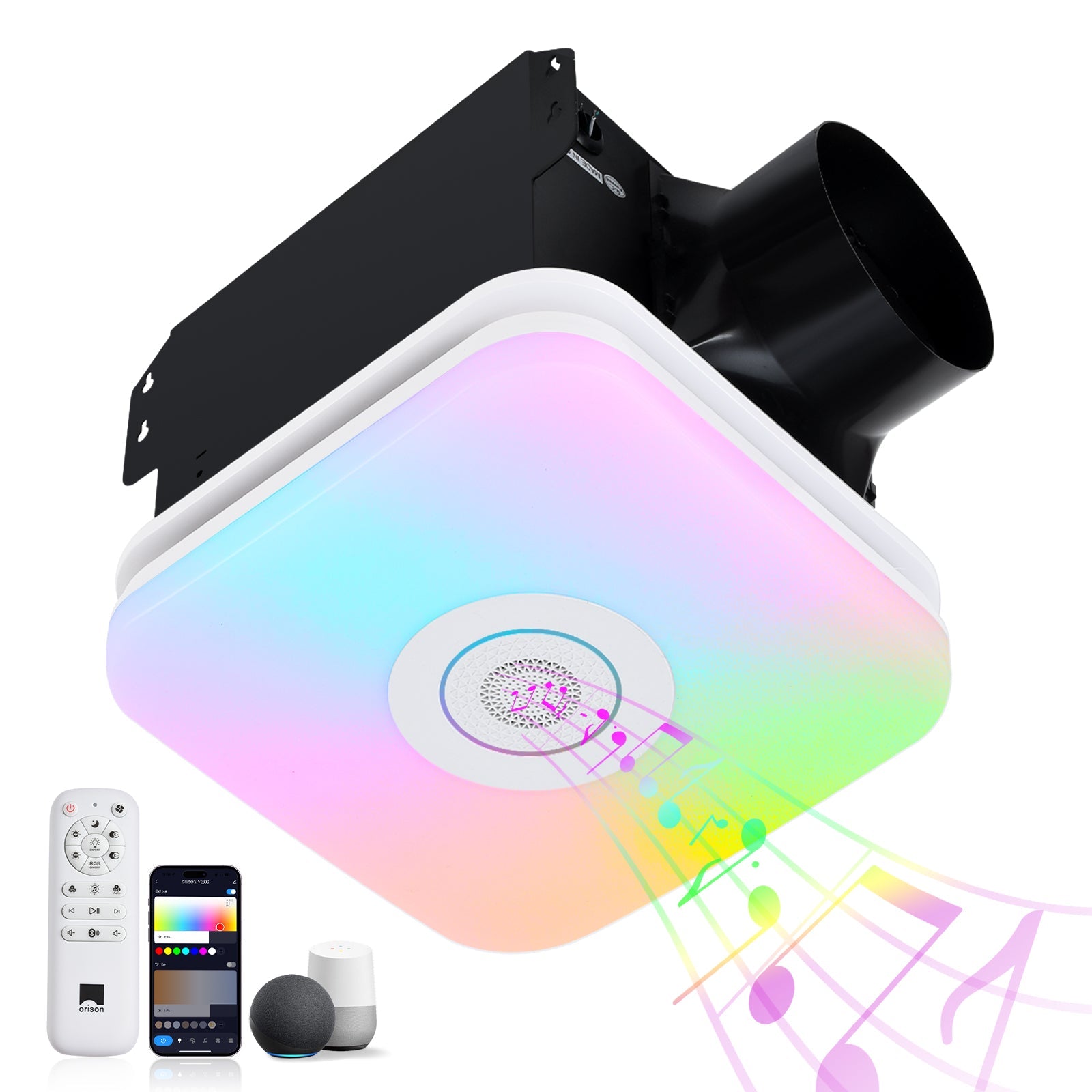
What blade pitch, motor efficiency, and smart control actually change
Blade pitch controls how much air a fan moves per revolution; motor efficiency decides how much electrical input becomes usable airflow. At the room level, the measurable outcomes are CFM (airflow) and sone (sound). Smart features — Alexa compatibility, schedules, humidity triggers — change behavior: a fan that runs at the right speed for the right time saves energy and prevents mold. In short: well-tuned mechanics plus smart control equals fewer complaints, fewer service calls, and happier residents.
User checklist: match features to the room
Pick features to answer real needs. Ask yourself:
- Room size and required CFM: does the fan meet ASHRAE or local code targets for air changes per hour?
- Noise tolerance: is a sone rating under 1.5 important for bedrooms or home offices?
- Smart integration: will Alexa routines automate run-times or tie into a whole-house ventilation strategy?
If you’re balancing aesthetics and function, consider models that combine discreet grilles with measured performance — and remember that a unit designed for a bathroom often includes moisture-resistant motors and easier-to-clean finishes.
When Alexa compatibility earns its keep
Smart voice control is seductive — but it’s worthwhile only if it changes behavior. An Alexa-compatible ceiling fan makes sense when you want scene-setting (cooling and quiet at night), or when occupancy sensors and voice commands replace forgotten wall-off switches. The same logic applies to an exhaust fan with light: if occupants routinely forget to run ventilation, automating with humidity sensors or scheduling pays off. Otherwise, you’re buying features you won’t use.
Installation and operational pitfalls to avoid
Most problems aren’t the fan itself — they’re installation choices. Incorrect ducting length or too many bends will sap CFM. Lack of a backdraft damper lets conditioned air flee. Oversized fans create drafts; undersized ones run constantly and build moisture. And yes — pairing an efficient motor with poor duct work defeats the purpose. One more thing: don’t assume smart functions replace proper sizing — they augment it.
Real-world anchor: codes and data that matter
Regulatory standards like ASHRAE 62.2 set baseline ventilation requirements for single-family homes and low-rise multi-family buildings — a widely accepted reference in the U.S. Many states, and California through Title 24 updates, use such standards to shape code. That’s your practical anchor: choose equipment and controls that can meet or exceed these benchmarks, and you’ll avoid compliance headaches down the line.
Alternatives and trade-offs
There’s no one-size-fits-all. Consider three paths:
- Simple replacement: swap old for new identical CFM and quieter sone — low cost, quick win.
- Smart retrofit: add humidity sensors and voice control — moderate cost, behavior-driven savings.
- Whole-room approach: rethink ducting, install balanced ventilation, combine with smart controls — higher upfront cost, best long-term performance.
Each path answers a different priority: budget, convenience, or long-term resilience. Choose intentionally.
Small aside — maintenance matters. A monthly grille wipe and annual motor check will extend life and keep performance on-spec.
Three golden rules for selecting the right smart air mover
1) Metric-first: insist on rated CFM and sone values verified in your installation (not just manufacturer claims). 2) System-aware: evaluate ducting, backdraft dampers, and controls together — the fan is one node in a ventilation system. 3) Behavior-enabled: choose smart features that automate the problem you actually have (humidity triggers > voice-only control for forgetful households).
Make those rules your shopping brief and you’ll buy results, not just marketing copy.
Orison feels like the practical solution when you want integrated hardware and sensible control — an answer that ties mechanical quality to everyday comfort. Orison.