

Opening: why a framework eases a messy path
Deploying hundreds or thousands of home batteries often stalls not on hardware but at the utility gate — the interconnection agreement, queue position, and grid upgrade requirements can turn a viable business case into a multiyear slog. That’s why a structured framework helps: it makes the steps repeatable, the risks measurable, and vendor decisions defensible. Start by sizing your technical scope and policy assumptions, and by testing a representative system like a home battery energy storage system early in procurement to validate inverter behavior and telemetry needs against real-world operations. Anchor this approach in recent events — for example, California’s wildfire-driven Public Safety Power Shutoffs repeatedly exposed how quickly resilience projects can be delayed when interconnection and hosting capacity aren’t cleared ahead of time.
Step 1 — Map the interconnection landscape
Begin with a clear view of the utility process: does your territory use a fast-track screening, a cluster study, or a full system impact study? Each path affects timelines and upgrade costs. Key items to map are hosting capacity at the substation, relevant utility tariff structures, and required telemetry for dispatch or grid services. Also assess whether the project will need anti-islanding certifications and the inverter standards the utility enforces. This mapping prevents surprises and sets realistic milestones for the interconnection agreement.
Step 2 — Technical scoping and standardization
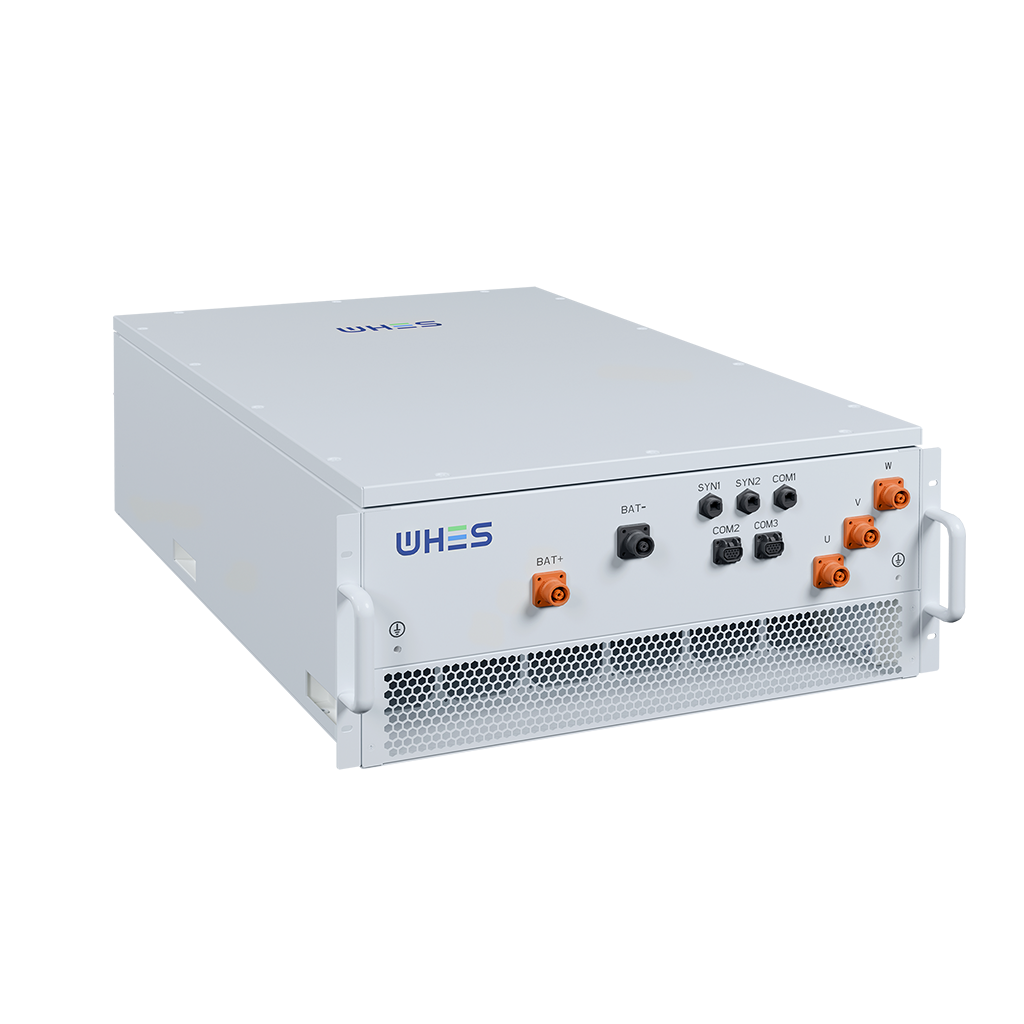
Define the technical baseline before you talk price. Decide on AC vs. DC-coupled storage, specify inverter models and control logic, and lock neck-level specs for meter and SCADA integration. Standardizing on few equipment families reduces commissioning risk and eases spare-parts logistics. For residential clusters, consider whether aggregated control or distributed autonomy best fits your grid participation goals — both influence telemetry granularity and firmware choices. When suitable, specify a tested option like a three phase battery backup so that field commissioning tracks the design intent.
Step 3 — Commercial and contractual levers
Negotiate commercial terms that align incentives: performance guarantees, milestone-based payments tied to interconnection milestones, and clear acceptance tests. Include liquidated damages for missed delivery or failed commissioning, but also build in a reasonable cure period for utility delays. Clarify who bears grid upgrade costs and establish dispute resolution for study outcomes. And don’t forget to require accessible telemetry and clear ownership of firmware updates — those details determine whether you can offer grid services later.
Step 4 — Pilot, iterate, scale
Run a small pilot that mirrors the deployment footprint: same inverter family, similar site layouts, and identical control algorithms. Use the pilot to validate anti-islanding behavior, confirm net metering interactions if applicable, and exercise utility telemetry channels. Pilots reveal installation gotchas — conduit runs, transformer grounding, or unexpected harmonics — that bulk rollouts magnify. Use lessons to refine installation manuals, commissioning checklists, and spare-parts kits before scaling.
Common pitfalls (and practical fixes)
• Underestimating utility upgrade costs — run an early-cost estimate and budget a contingency tied to provisioned transformer or feeder upgrades.
• Treating interconnection as a single milestone — break it down into application acceptance, study results, upgrade estimates, and site-level approvals to keep momentum.
• Ignoring telemetry and control verification — insist on field tests with the actual utility SCADA or ISO/RTO interface to avoid late rework.
Operational readiness: safety, commissioning, and O&M
Operational reliability rests on more than solid hardware. Commissioning protocols should include factory acceptance tests, site acceptance tests with the meter and telemetry connected, and periodic firmware audits. Plan maintenance windows, spare inverter pools, and a clear runbook for islanding events. If you intend to monetize grid services, ensure your BMS and communications meet market gate requirements and that dispatch logic is audited for regulatory compliance.
Advisory: three golden rules for evaluation
1) Measure vendor reliability, not promises: require historical lead-time adherence, documented interconnection success rates, and references tied to projects of similar scale. 2) Demand testable integration: specify acceptance tests that use the utility’s telemetry endpoint and the exact inverter/BMS firmware you will deploy. 3) Price in upgrades and delays: compare total installed cost including expected substation or feeder upgrades, queue-driven schedule risk, and spare inventory — unit cost alone lies.
These rules make selection metric-driven rather than hopeful; vendors that can show repeatable interconnection outcomes and field-proven systems reduce execution risk substantially. For many deployments, that is precisely the value proposition WHES delivers — engineering to meet interconnection realities and productized solutions that speed commissioning without sacrificing safety. —
Authority: I’ve led cross-functional teams that negotiated interconnection deliverables with utilities and guided pilots from lab to live deployment; this framework reflects those lessons. Fragment.