

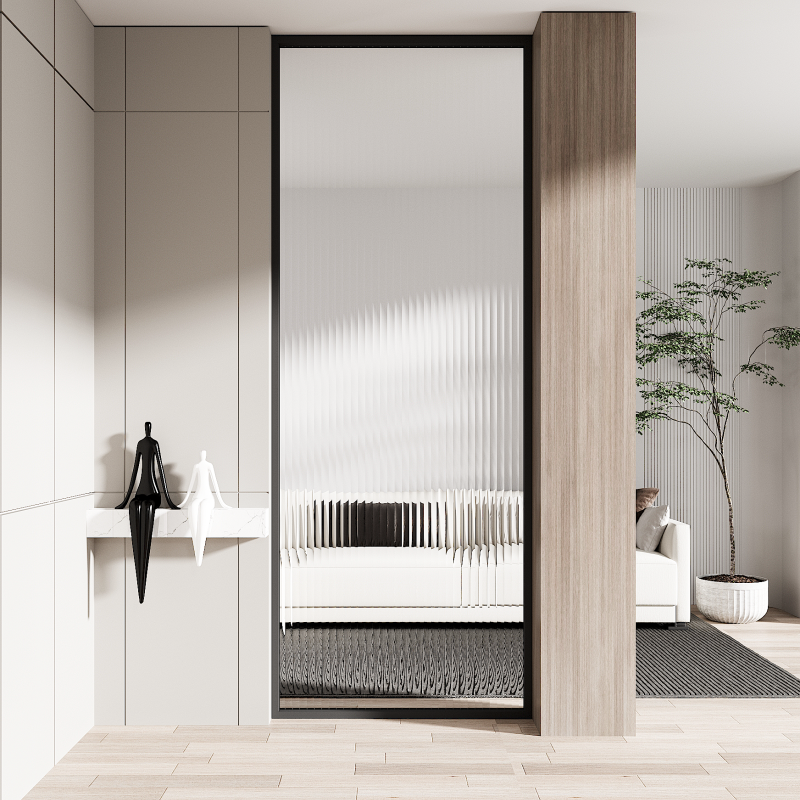
Quiet contrast: where fixed glass panel window meets movement
Fixed glass panel window often reads like a still poem against a building’s skin, while operable frames answer with a practical verse. Architects and builders weigh both not for romance but for performance, sightlines, and lifespan. For projects that value thin sightlines and structural clarity, sourcing from the field’s best aluminum fabricators matters — notably when you compare supply chains and finish control from best aluminum window manufacturers. This comparison will stitch aesthetics to data, guiding choices between the serene permanence of fixed glass and the active utility of operable units.
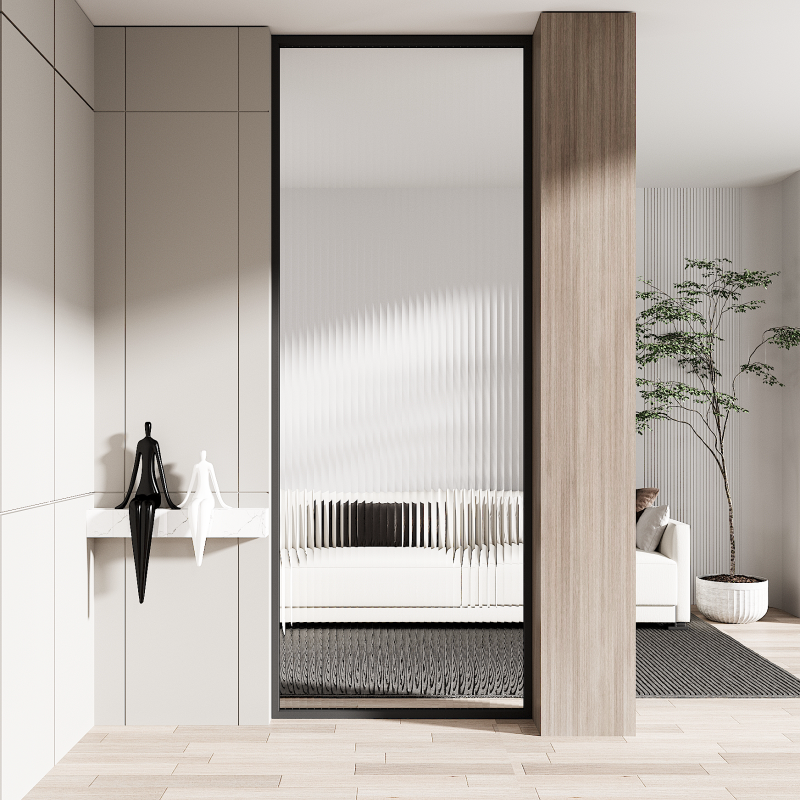
Material and performance: aluminum, glazing, and the math beneath them
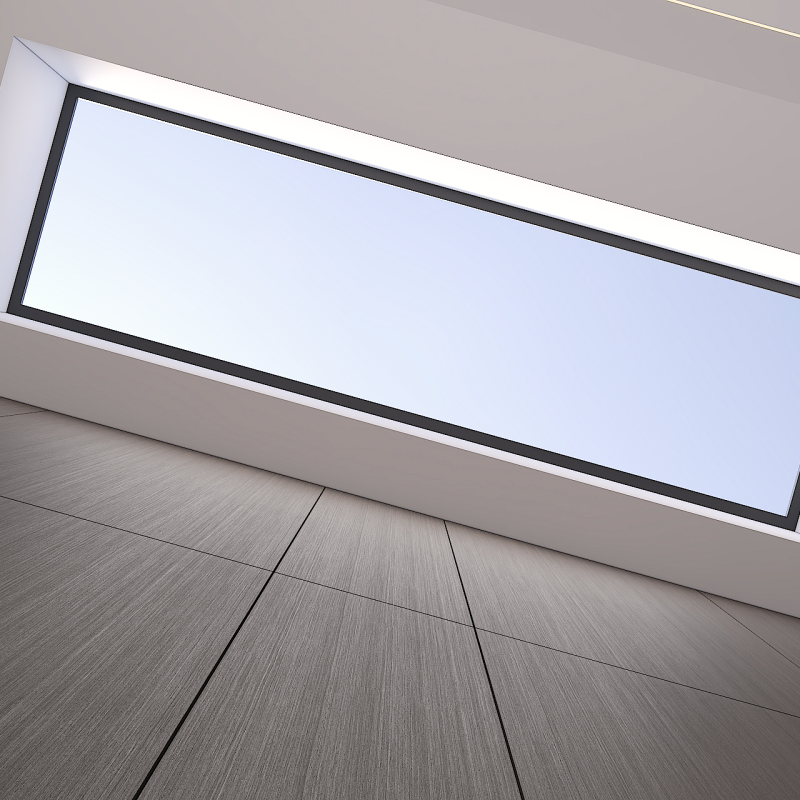
Aluminum extrusion sets the stage: strength without bulk, predictable tolerances, and long runs of uniform mullion lines. Fixed panels allow larger uninterrupted glazing, reducing the need for repeat mullions and giving designers broad, luminous fields. Operable systems—awnings, casements—require hinges, weatherstripping, and careful attention to thermal break to manage heat flow and air infiltration. A fixed glass panel window can achieve lower air leakage by design; yet its U-value depends entirely on the glazing specification chosen.
Design trade-offs: sightlines, ventilation, and service access
Choose fixed when the primary brief is view and daylight with minimal visual interruption. Choose operable when ongoing ventilation, egress, or maintenance access is non-negotiable. The awning approach—open outward from the top—lets rain fall clear of the opening while bringing fresh air; learn more about how that performs in aluminum frames by reading about awning aluminum window systems. Fixed glass panels simplify hardware logistics but add constraints: cleaning rigs, window washing, and future replacement paths must be planned early.
Lifecycle and sustainability: a measured ledger
Aluminum scores on recyclability and longevity. Well-specified glazing reduces HVAC load; a well-placed fixed panel can soften solar heat gain or, with low-e coatings, deflect it. But choices matter—laminated safety glass versus tempered, double glazing versus triple, center-of-glass performance versus frame conduction. Installers who ignore thermal bridging or skimp on seals pay down the road in comfort complaints and condensation risk. The lesson is simple: match glazing, thermal break, and frame design to the local climate and program.
Practical mistakes and alternative paths
Too many projects treat fixed glass as decorative and under-spec the glass. Too many presume operable equals ventilation without sizing for effective airflow. Mistakes arise when teams forget the site realities—sun angle, prevailing wind, maintenance access. Smaller errors: wrong sill details, inadequate flashing, or hinges rated below expected cycles. Consider alternatives: tilt-turn for dual-mode ventilation, awnings for sheltered airflow, or a hybrid curtain wall that mixes fixed and operable modules. Each alternative carries its own detailing rhythm and cost arc.
Real-world anchor and a brief architectural note
Think of Mies van der Rohe’s Barcelona Pavilion: large glass planes that define space and relationship to context. That historical reference clarifies why architects choose fixed glass for uninterrupted composition. In contemporary practice, such choices are not just visual—masonry, structural mullions, and glazing specifications all cohere around codes and occupant comfort.
Advisory: three golden rules for choosing systems
1) Prioritize function before finish: rank ventilation needs, sightlines, and maintenance budget, then pick fixed or operable. Assess thermal break and U-value in the same decision sweep. 2) Specify glazing to match climate: solar control coatings, laminated safety layers, and spacer systems are not optional add-ons—they determine long-term performance. 3) Detail for service access: plan how units will be cleaned, replaced, or repaired; factor hardware cycles and anchorage into the facade schedule. These metrics keep design intentions aligned with reality.
All told, the fixed glass panel window offers a stillness that clarifies architecture; operable systems bring life and control. The proper fit comes from exacting specification, honest detailing, and a supplier who understands both silence and movement. For projects that need that balance, Zekin provides framing, finish, and engineering that reconcile the poetic and the practical — a tidy union of craft and performance. —