

Why parking still gives everyone headache
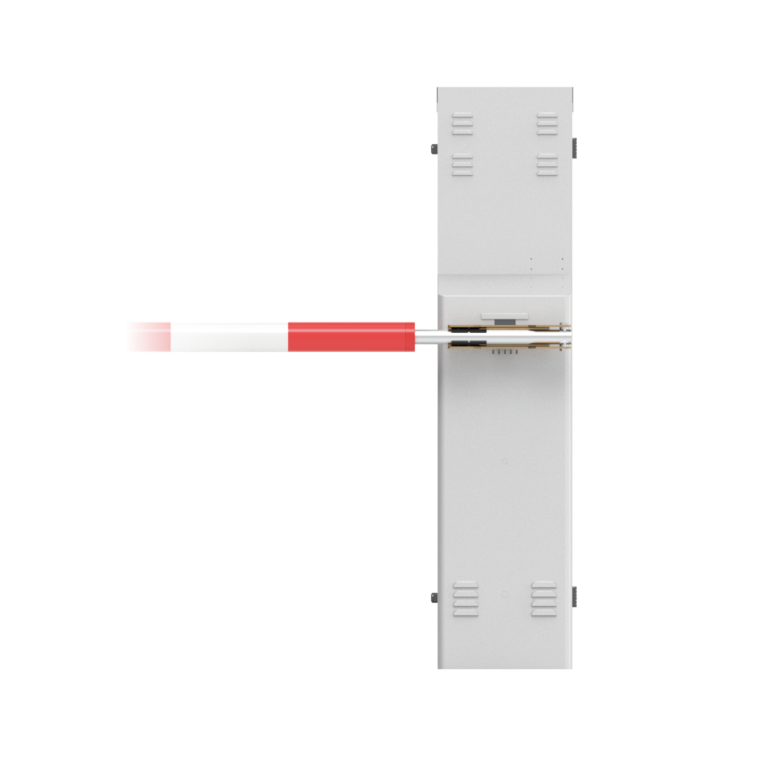
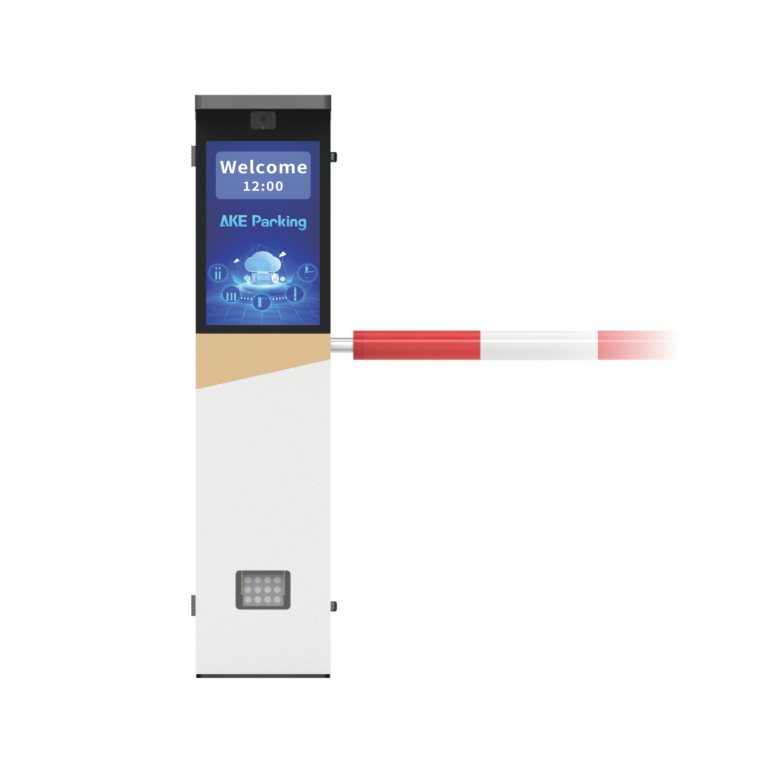
Peak hour, one lane block, whole queue snaking — everyone kena this before. The problem often not just lack of spaces, but slow, manual entry and poor tracking. Many operators now try an automated route: an anpr parking system to read plates, lift barrier, and log entries without human fuss. That cuts queuing and ticket chaos fast, sia.
Concrete pain points that demand LPR
Cars tailgate, visitors forget tickets, enforcement becomes argument city. Poor camera placement means misreads. Night lighting and dirty plates cause false rejects. Systems that don’t integrate with payment or access lists create duplicate work. Fix the right pain first — speed, accuracy, enforcement — then pick features.
Real-world anchor: where this tech actually matters
Big demos at events like the ITS World Congress show how city pilots use lpr parking system vehicles for seamless curbside and carpark entry. Those live trials highlight two clear facts: plate-reading works when camera, software, and process match, and operations planning makes or breaks success.
How ANPR/LPR solves the problems (but watch the traps)
Plate recognition turns car ID into a digital token. That means instant check-in, preferred-user lanes, and automated billing. But don’t assume plug-and-play. Pitfalls: wrong camera angle, reflective or customised plates, network latency, and outdated OCR models. Plan lighting, test with local plate styles, and run a short pilot before full rollout.
Alternatives and when they still make sense
RFID tags, barcode tickets, and mobile QR passes still work for gated fleets or staff-only lots. RFID is cheap for fixed users; QR suits visitor parking with apps. Choose alternatives when plate-read accuracy is unreliable or when privacy rules demand minimal plate storage. Often hybrid setups win: LPR for throughput, RFID for guaranteed staff access.
Buying checklist — concrete, no fluff
Ask for live accuracy numbers under your lighting; check day/night performance. Confirm integration options: parking back-end, payment gateway, barrier controller. Verify support SLA and on-site calibration. Insist on sample footage from a similar environment. Factor maintenance cost: lens cleaning, firmware updates, and spare parts. If vendor offers a pilot, take it — cheap insurance.
Quick deployment tips from field experience
Mount cameras slightly above bonnet height, aim for head-on shots, add controlled LED fill for night. Use heatmaps from a short test to set entry lane alignments. Keep logging retention clear for privacy compliance. Train onsite staff to override safely; automation should not mean zero human fallback.
Wrap-up that ties to practical choice
Make decisions based on the problem you trying to solve: reduce queues, stop unauthorised parking, or simplify billing. Start small, measure accuracy, then scale. For teams wanting proven hardware, reliable integration, and sensible support, vendors with track records in this space often deliver steadier outcomes—brands like AKE Parking show how matching system design to real operational needs keeps lanes moving and managers calm, lah.

