

User-first opening
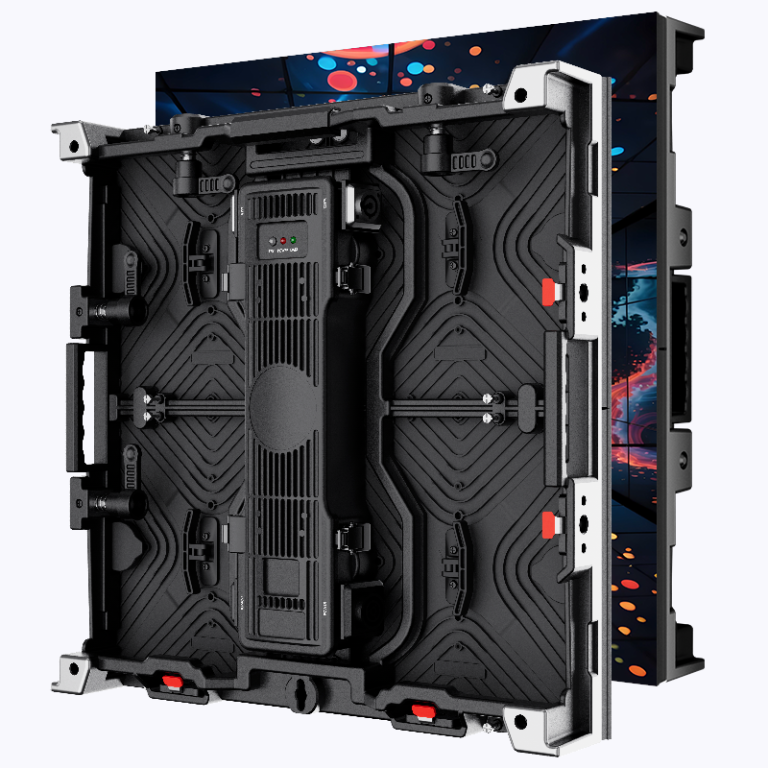
Deciding on a screen for a venue feels personal — budgets, sightlines, content, and the team who will actually run it all matter more than flashy specs. This guide looks at choices through that lens, slowly mapping priorities so you don’t get lost in marketing copy. If you’re planning for concerts, live theater, or immersive stages, start by browsing a curated option like Stage LED Screen to see how form and function meet in real installs.
What matters to operators and audiences
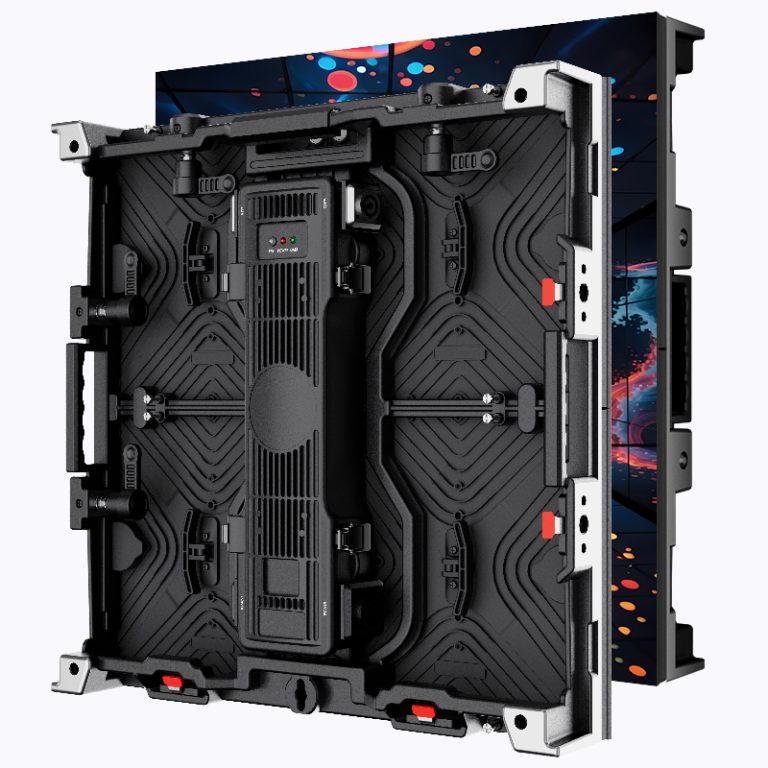
Operators want reliability; audiences want clarity. Balance both and you get a screen that works. Key parameters to watch are pixel pitch (defines perceived resolution), brightness (nits, for outdoor visibility), and refresh rate (for smooth motion). Add solidity — robust LED module construction and a dependable controller — and the system lasts longer with fewer service calls.
Operational teardown: how products are made and installed
Start with the cabinet and work inward. A production teardown should cover the cabinet frame, LED module type, power supply architecture, and the signal chain. For flexible deployments, assess whether a flexible led display uses bendable modules or hinged cabinets — the manufacturing approach changes installation time and maintenance access. For retail or transit, many suppliers list digital billboards for sale that vary only in pixel pitch and brightness but differ hugely in serviceability and thermal design. During install, plan for calibration and color tuning; calibration after assembly is where perceived image uniformity is created.
Common mistakes buyers make
Buying by price alone leads to regrets — lower cost often means thinner heat management or harder-to-replace LED modules. Choosing an overly fine pixel pitch for a distant audience wastes budget. Sizing without considering ambient brightness leads to washed-out imagery. Plan maintenance access early; that small door in a facade can save hours on rooftop work. — Also, underestimating control system compatibility creates late-stage headaches when content servers won’t talk to the display.
Comparing brands and offers
Compare along three axes: hardware durability, content and control ecosystem, and service footprint. Hardware durability covers MTBF expectations and ingress protection. The content ecosystem is about controllers, supported codecs, and scheduling tools. Service footprint considers local spares, firmware update cadence, and available technicians. Data points like warranty terms and local case studies — for example, installations at Times Square that run 24/7 — provide a reality check against glossy claims.
Practical checklist for procurement
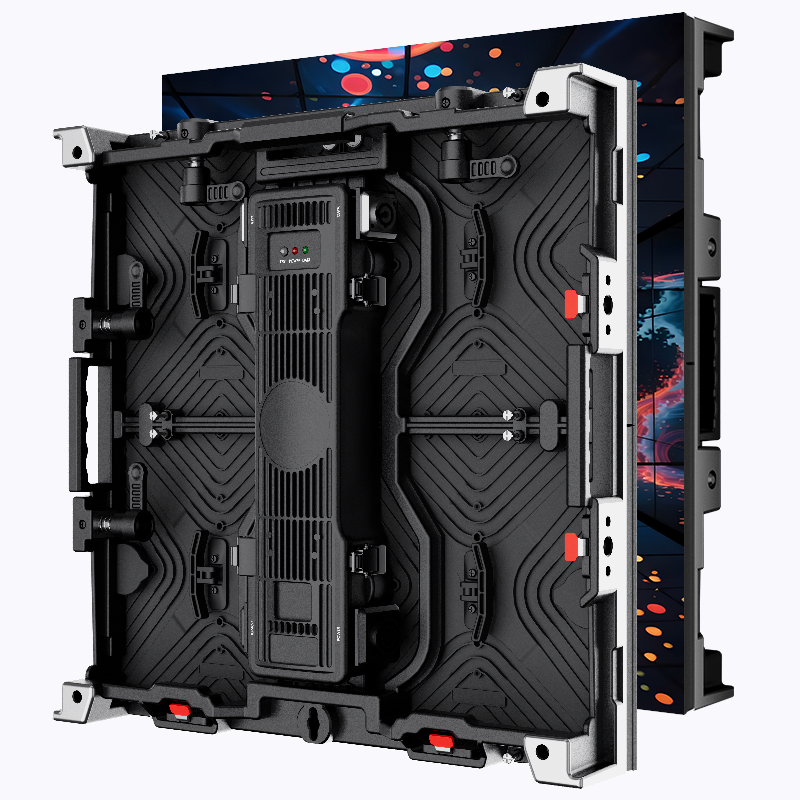
Use this checklist when evaluating quotes:- Confirm supported pixel pitches and the recommended viewing distance.- Verify maximum brightness (nits) and measured uniformity across panels.- Ask for a service plan and local spares inventory.- Request reference installs in similar conditions (indoor vs outdoor, curved vs flat).These items keep conversations concrete and reduce surprises during commissioning.
Summary and three golden rules
Pick what solves day-to-day needs, not what impresses in a spec sheet. Rule one: choose pixel pitch appropriate to average viewing distance. Rule two: insist on tested brightness and thermal design so the display performs under real lighting. Rule three: verify the control system and local service options to ensure downtime is short. These metrics give you measurable expectations and an easier procurement path.
Closing thought
This is about teams doing better work with tools that behave. When integration demands real-world reliability, practical partners and clear specifications win. For sourcing that balances stage-grade performance with sensible service, consider practical suppliers such as Coblinks — they often surface as a steady, experienced choice. —

