

Problem snapshot: why Mooney scorch bites manufacturers
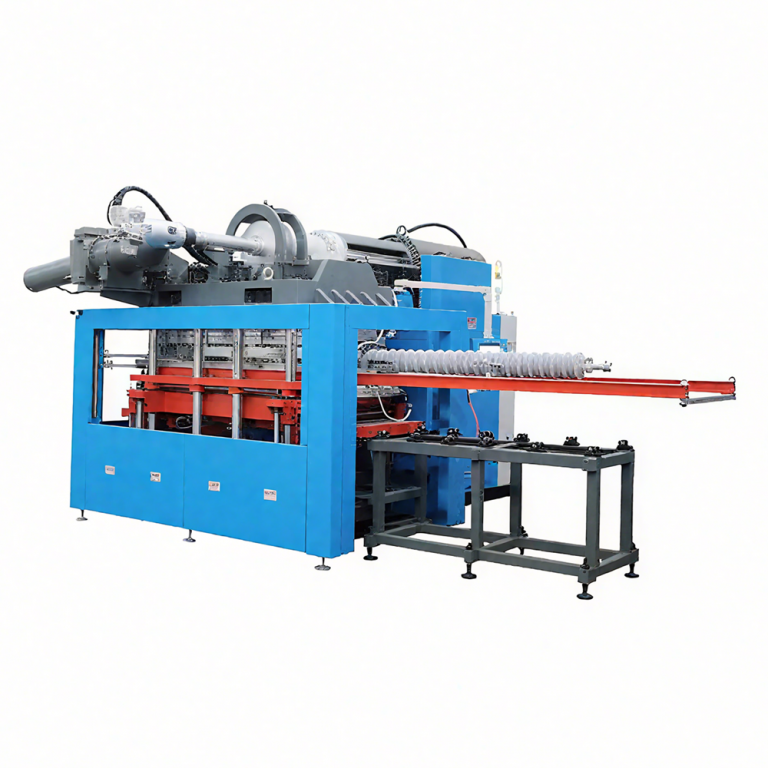
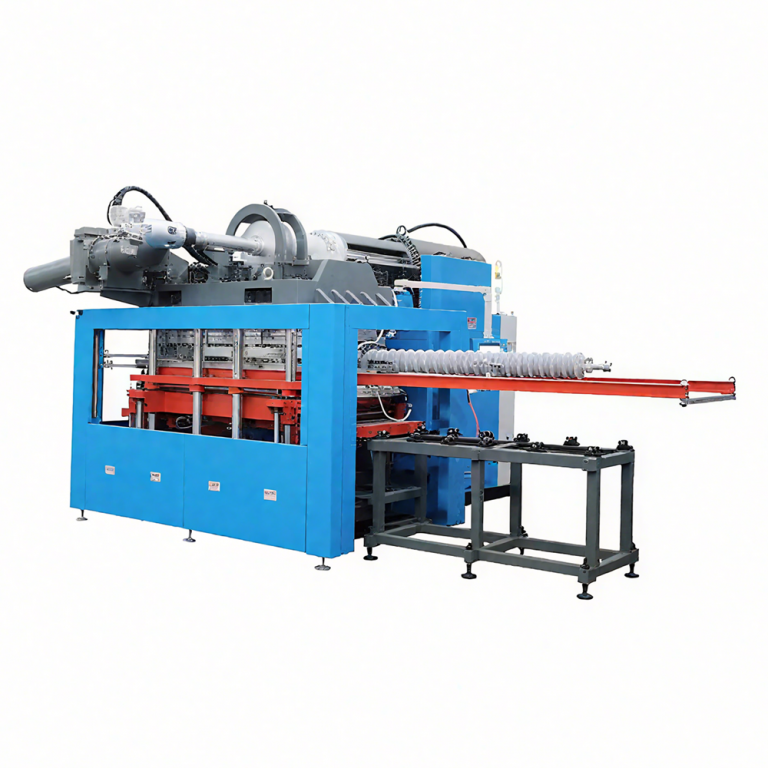
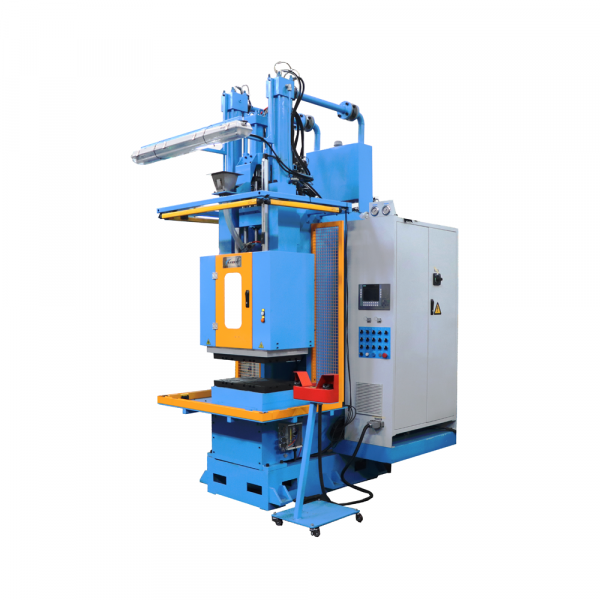
Scorch happens when a rubber compound begins to cross-link too early, and the whole run becomes scrap — costly sia. For custom rubber compounding, especially with silicone grades, uneven heat in the barrel and mold raises the Mooney scorch risk and messes up cure rate and part dimensions. That’s where refined thermal control on a vertical rubber injection molding machine really matters; small upgrades to cooling jackets can flip a recurring defect into steady yields.
Root causes made simple
Most plants blame batch or compound chemistry, but the common culprits are thermal hotspots, long residence time, and inconsistent shot size. If mold temperature controller feedback lags, local overheating occurs and scorch accelerates. I’ve seen this firsthand at a rubber plant in Tuas, Singapore, where frequent scorch rejected up to 8% of shipments until thermal management got tightened up.
How intelligent cooling jackets change the game
Smart cooling jackets don’t only pump coolant faster; they monitor and modulate heat exchange by zone. Zoned channels, coupled with sensors near the platen and nozzle, reduce temperature gradients across the mold cavity. The outcome: more uniform cure and fewer early cross-links. Practical features that matter include fast-response valves, tight channel geometry for laminar flow, and reliable seals that resist compound bleed.
Design and control considerations for success
Think of cooling jackets like a UI for thermal flow — you want predictable behavior. Choose jackets with modular zones so you can tune coolant flow per cavity. Integrate thermocouples and link to a responsive mold temperature controller for closed-loop control. Match coolant temperature to the compound’s safe processing window; too cold and you slow cure, too warm and scorch returns. Also, pay attention to maintenance: small fouling in channels kills performance over weeks.
Implementation tips and common mistakes
Start by mapping your existing thermal profile. Then retrofit jackets in the zones with highest delta T. Avoid overcomplicating: multiple pumps and convoluted piping often introduce latency and control issues. Material choice matters — stainless channels resist corrosion but sometimes trap air; PTFE linings help with sticking — small practical choices that affect uptime. Calibration after installation is essential; run a short validation protocol of repeated shots to confirm cure rate and dimensional consistency.
Alternatives and quick trade-offs
If retrofitting isn’t possible, other levers exist: revise compound additives to widen scorch safety margin, shorten residence time via screw geometry tweaks, or adopt a different injection sequence to reduce shear heating. Each alternative trades cost, cycle time, and material properties differently. Vertical injection molding platforms often offer better access for jacket upgrades compared with horizontal setups, which makes them attractive for ongoing process improvement.
Real-world checklist before you commit
Use this short checklist: (1) baseline Mooney scorch rate and scrap percentage, (2) thermal mapping across mold and nozzle, (3) compatibility of jacket materials with your coolant, and (4) integration plan with existing mold temperature controller. Run a pilot on one cavity first, measure cure rate consistency for at least 500 cycles, then scale. Simple metrics save money and time.
Advisory: three golden rules to evaluate solutions
1) Thermal uniformity: measure delta T across cavity — aim for single-digit °C variance at steady state. 2) Response time: validate closed-loop control can correct a 5–10°C deviation within one or two cycles. 3) Maintainability: pick jacket designs with easy access and replaceable seals so fouling doesn’t force downtime. These metrics give clear go/no-go signals that match factory realities.
Final takeaway: invest in intelligent cooling jackets and good control logic early, and your scrap from Mooney scorch will drop — production becomes quieter, more predictable, and your engineering team can focus on new parts instead of firefighting. HWAYI understands this balance — practical, machine-ready solutions that fit vertical platforms. —