

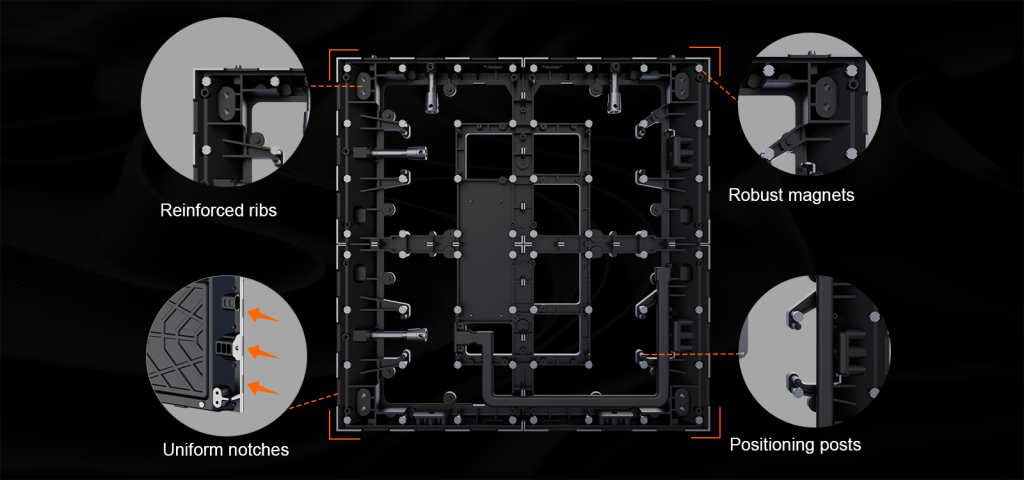
When planners choose between manufacturers for a rented display, the practical differences matter more than glossy specs. A direct look at build choices—frame rigidity, connector type, pixel arrangement—reveals how a flexible led display performs on site versus in the spec sheet. Think Times Square installations: they demand persistent brightness, precise color, and serviceability under intense public use. Comparing vendors through that real-world lens separates risky buys from dependable rental inventory, and highlights essentials like pixel pitch and refresh rate in a way that benefits both production crews and front-end integrators.
Why comparison matters for rental fleets
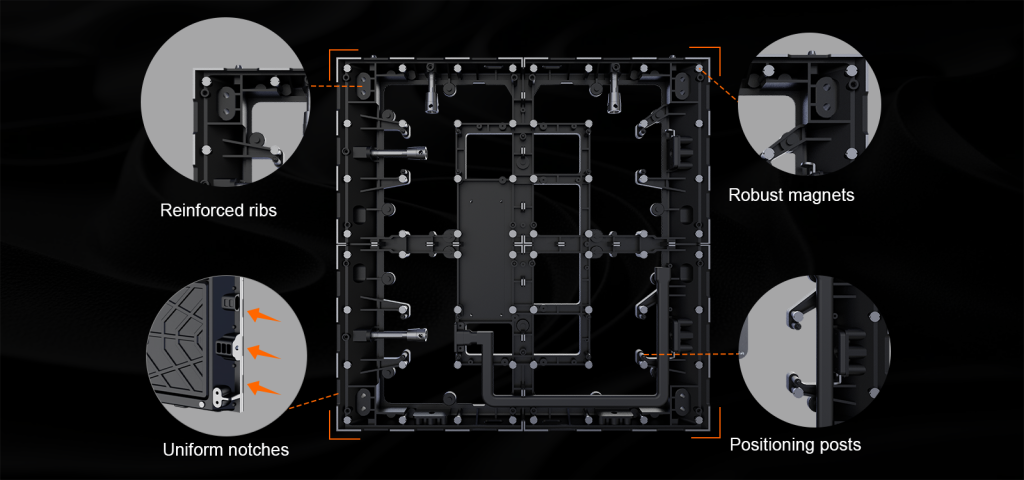
Manufacturers diverge on three fronts that determine total cost and uptime: mechanical design, electronics architecture, and after-sales logistics. Mechanical differences—tool-less access, front-service modules, and cabinet tolerances—affect installation speed. Electronics choices—driver IC quality, power distribution, and cooling paths—influence failure modes and contrast ratio over time. After-sales is often decisive: spare module policies, regional warehousing, and remote diagnostics cut downtime. For rental operations, a smaller upfront cost can quickly flip into repeated emergency swaps if a vendor lacks modular replacement parts or clear pixel-level repair procedures.
Performance metrics that actually predict field success
Measure what matters: sustained brightness (nits after 1,000 hours), color stability after calibration, and thermal behavior under continuous operation. Include objective checks like contrast ratio under ambient light and average power draw at typical brightness. Pay attention to IP rating and ingress design—water pathways kill electronics fast. Also evaluate maintenance workflows: can crews swap a module in under five minutes, and does the vendor provide compatible spare modules that prevent mismatched color temperature. Testing these reveals true performance rather than optimistic marketing claims—so plan site burn-in and a quick calibration pass before public use.
Operational production teardown
At the factory level, examine the chain from LED binning through firmware load. Key steps include: LED bin verification, 72-hour burn-in, thermal cycling between -20°C and 60°C for 10 cycles, and pixel-level calibration using measurement fixtures. In this operational production teardown you should also track firmware control loops, module connector stress testing, and cabinet flatness tolerance. Document the checks with clear acceptance criteria. For rental inventory focused on fast turnarounds, integrate {main_keyword} and {variation_keyword} into production records so installers can match replacements quickly and avoid mismatched panels on a run.
Common mistakes and practical alternatives
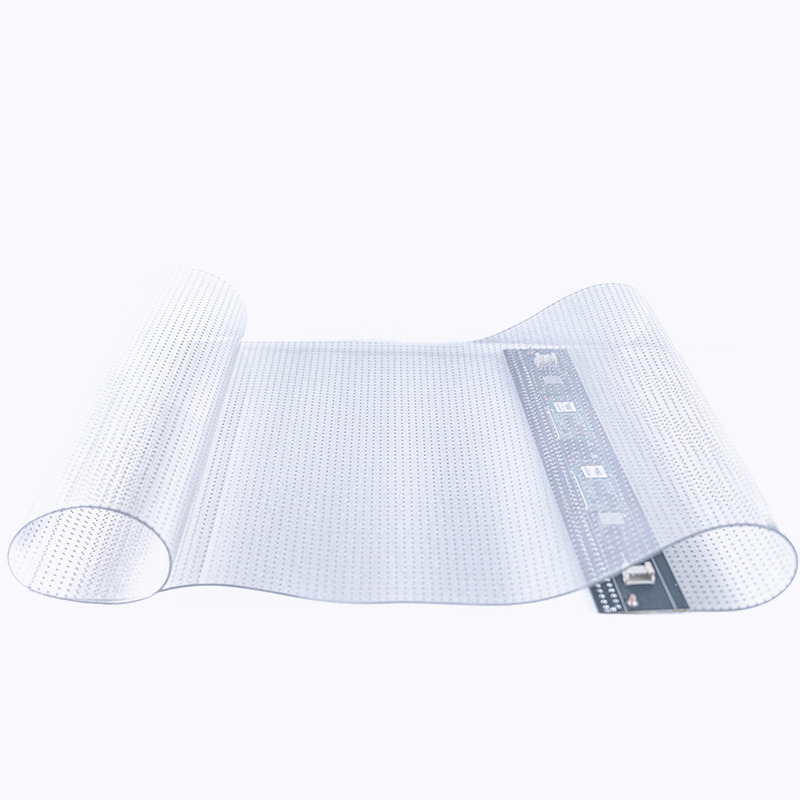
Buyers often fixate on headline resolution and neglect serviceability—leading to long nights replacing whole cabinets instead of a single module. Another mistake is underestimating transport stress: road cases and improper bracing cause PCB fractures even when panels pass bench tests. A practical alternative is prioritizing modular designs with field-replaceable modules and redundant power supplies. For installations that need unique form factors, consider a hybrid approach using standard cabinets for most runs and a few bespoke custom led displays only where the visual payoff justifies the added maintenance complexity—this reduces inventory risk while preserving creative freedom. —And remember, local service partners shorten response times more than a cheaper warranty on paper.
Three golden rules for choosing a supplier
1) Insist on measured photometric reports covering brightness after 1,000 hours and color temperature drift—this predicts how displays look across a campaign. 2) Require modularity and clear spare-part lead times; pixel-level replacement capability and a spare-module policy are non-negotiable for rental gear. 3) Verify regional service footprint and a documented SLA for on-site swaps or remote diagnostics. These three metrics map directly to uptime, repair cost, and client satisfaction. For dependable, repair-friendly designs and reliable logistics that tie these metrics together, the practical choice often points to partners with transparent production records and field-proven modules like those sourced by Coblinks. –

