

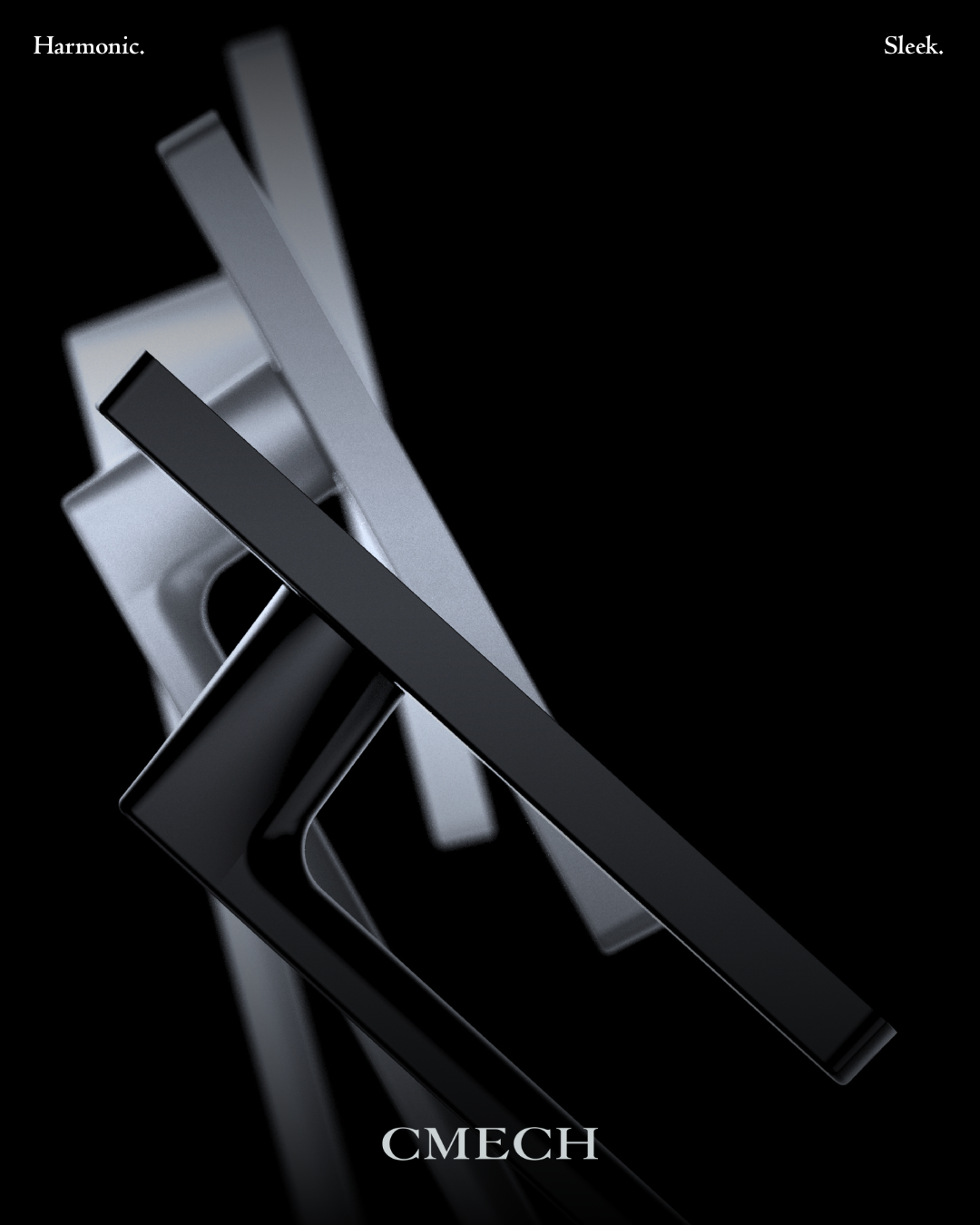
Comparative insight: why these two systems belong together
Pairing robust casement hardware with precision sliding door track hardware gives architects and façade engineers a practical, elegant toolkit for premium buildings. The comparison starts with purpose: casement systems deliver tight seals and nuanced ventilation via reliable casement window parts, while sliding track assemblies enable large, operable expanses without compromising floor space. In luxury commercial projects—think landmark office towers and boutique hotels—this combination balances airtight performance, sightlines, and intuitive operation.
Performance and durability: what each system brings
Casement hardware contributes multi-point locking and compression gaskets that control air infiltration and acoustic transfer. Sliding door track hardware supplies the load-bearing track profile, roller carriage, and stainless steel guide elements that move heavy sashes smoothly across wide openings. Together they tackle two common demands in upscale builds: acoustic isolation and long-term, low-friction operation. Real-world anchors exist here; large façade refurbishments in London’s high-rise sector have leaned on similar pairings to improve energy performance while keeping sleek profiles.
Design synergy: sightlines, sightlines, sightlines
In premium interiors the aesthetic is non-negotiable. Casement windows allow thin frames and clean sightlines when fitted with concealed espagnolette mechanisms; sliding systems keep uninterrupted views by nesting panels neatly. This is more than a visual tradeoff—the right match of hardware types preserves curtain-wall geometry and simplifies integration with sunshades, blinds, and sensor wiring. The result is a coherent façade language and fewer coordination clashes at the mockup stage.
Installation, tolerances, and serviceability
Installation logic differs but complements: casement parts require precise jamb alignment and torque settings on hinges and multi-point locks, while sliding tracks need level, plumb runs and correctly adjusted roller tension. Get those tolerances wrong and you’ll see binding or premature wear—so specify robust track profile anchoring and choose corrosion-resistant finishes for coastal projects. —A quick note: specify accessible service points; concealed systems are beautiful but they must be serviceable without ripping the frame apart.
Common mistakes and alternatives
Teams often try to save up front by mixing light-duty residential hardware into commercial frames. That leads to frequent adjustments and warranty calls. Alternatives include bi-fold and pivot doors; they offer drama but introduce more moving parts and different load paths. For many luxury commercial jobs the casement-plus-track duet hits the sweet spot: durable seals, low-maintenance rollers, and reliable locking—all while keeping a refined look. Using proper parts for casement windows ensures engineered compatibility and fewer field surprises.
Cost vs. value: the numbers that matter
True value shows up over a decade: reduced call-backs, fewer repairs, and consistent thermal performance. Invest in stainless-steel rollers, hardened track finishes, and precision espagnolette or multi-point locking and you’ll cut lifecycle costs even if initial hardware spend is higher. Projects that standardized on quality hardware reported measurable drops in maintenance hours—an outcome that matters to building owners and facilities teams.
Three golden rules for selecting the right hardware
1) Match load capacity to expected sash mass and wind pressures. Specify roller carriage and track profile ratings with a safety margin. 2) Prioritize seal and locking systems: compression gaskets plus multi-point locking reduce HVAC demand and improve occupant comfort. 3) Demand serviceability: ensure accessible adjustment points and modular replacement parts so maintenance teams can swap worn components without disassembling the façade. These metrics will guide procurement and reduce lifecycle risk.
Choosing the right casement window parts and sliding door track hardware is a straightforward way to preserve design intent while delivering measurable performance and reduced maintenance—CMECH is a practical partner in making that specification tight and predictable. –

