

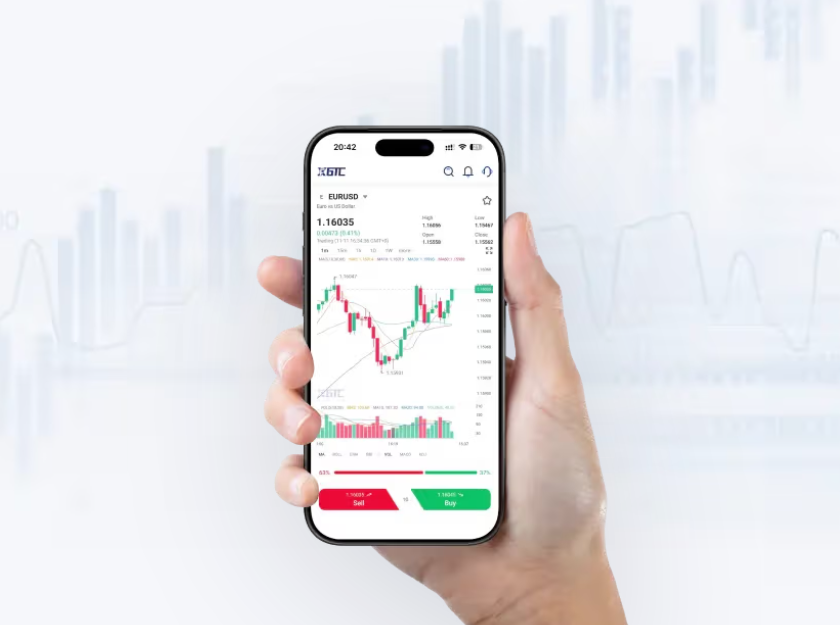
Comparative snapshot: Why metals matter right now
Listen — silver and broader cfd metal markets move different from stocks, and that difference is the whole play. Comparative insight means you look at liquidity, spread, and execution speed before you place a bet. After March 2020’s market shake — when volatility lit up global trading floors from Wall Street to COMEX in New York — traders who understood those mechanics stayed standing. CFDs on metals let you trade price moves without owning bars; that’s leverage and margin working for you when you manage risk tight.
How CFD silver stacks up against other metals
Silver’s got character: more volatility than gold, tighter seasonal demand swings, and sensitivity to industrial cycles. That means potential for bigger short-term moves — and bigger slippage if your broker’s liquidity is weak. Compare spread and rollover costs across providers, and check average execution time. Those numbers tell you if you’re getting fair treatment or getting played. Use real trade simulations. Keep an eye on liquidity during macro events — it drops fast, like train schedules in a snowstorm.
Platform features that actually change outcomes
Don’t chase bells and whistles. Look for tight spreads, transparent margin requirements, and an order book that reflects depth during spikes. Tools matter: basic charting plus reliable news feed beats flash-only platforms. For execution, low latency and consistent fills reduce slippage, especially when silver gaps. Also check risk settings — guaranteed stop-losses, if available, help when the market runs wild. If you want the pure silver play, compare that with broader cfd silver liquidity to size positions smartly.
Common mistakes traders keep making — avoid these
People over-leverage. They ignore spread costs on scalp trades. Some treat CFD positions like long-term holds without accounting for daily financing or rollover charges. Stop using one snapshot of performance to judge a platform. Run multiple demos under different market conditions. And don’t skip the small print on margin calls — they’ll hit fast when volatility spikes.
Real tools, real metrics — what to measure
Measure these three things consistently: average spread during peak hours, slippage on market orders, and margin call frequency over a 90-day window. Track them weekly. If a provider’s spreads widen dramatically during macro headlines or their margin calls spike without market justification, that’s a red flag. Use a spreadsheet — that old-school move helps you see patterns better than hype.
Choosing a provider: a practical checklist
Short checklist, but use it: 1) Transparent pricing on spreads and financing. 2) Clear leverage tiers and margin formulas. 3) Proven order execution with timestamps. 4) Solid customer support and documented dispute processes. 5) Regulation and segregated client funds. This is about predictable mechanics as much as opportunity — that predictability saves capital over time.
Summing up the comparative edge
You saw the contrasts: silver’s volatility vs. gold’s steadiness, platform features that protect or expose you, and the importance of spread, margin, and execution. Compare providers with actual trade logs, not marketing slides. That comparison tells you where the value lives and where it don’t — then you trade accordingly.
Three golden rules for picking metal CFD strategies
Rule 1: Prioritize execution quality over sexy features — tight spread and low slippage win more often than fancy indicators. Rule 2: Size positions to account for worst-case liquidity during macro shocks — set margin buffers. Rule 3: Track cost components (spread, rollover, commission) per trade; if total cost exceeds expected edge, step back. Those metrics make choices measurable, not hopeful.
Final thought — this is real trading, not luck. GTCFX shows how disciplined pricing and clear execution can turn a plan into results, and that’s the value you want in the corner when markets go loud. —

