

Introduction — why comparison matters now
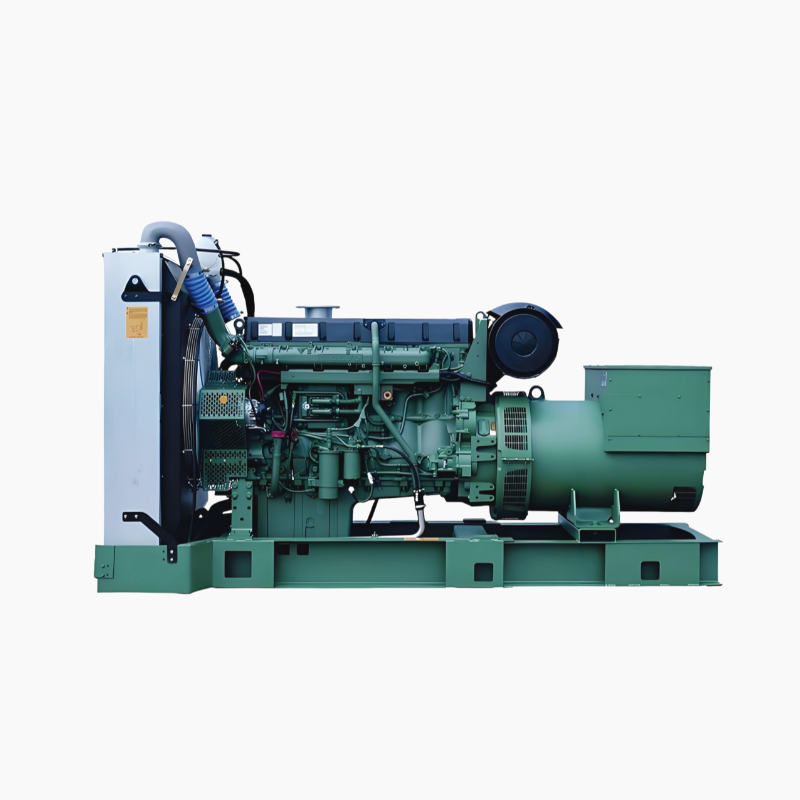
When outages hit — like during Typhoon Mangkhut in 2018 — facilities in Hong Kong learned fast that not all gensets perform the same. Choosing a supplier affects uptime, maintenance cost, and the ease of sourcing spare parts. For projects that need proven platforms, many buyers look at the volvo genset line as a benchmark for engine quality and integrated alternator systems. This piece compares China-based Perkins genset suppliers against practical benchmarks so you can pick the right partner for critical loads.

Key comparison criteria
Comparative insight needs clear metrics. I focus on measurable items operators actually use day-to-day: reliability, service footprint, fuel consumption, emissions control, and spare-parts lead time. Here’s a compact checklist I apply across suppliers:
– Reliability: mean time between failures (MTBF) and documented hours on prime power duty.
– Service & support: local technicians, 24/7 hotline, and parts inventory in Greater China.
– Fuel efficiency: L/kWh under typical load profiles and how vendors report fuel consumption.
– Emissions & compliance: certified exhaust aftertreatment or stated NOx/PM performance for standby vs prime power.
– Integration: alternator matches, control system compatibility, and ease of remote monitoring.
How suppliers differ in practice
Some suppliers sell boxed sets with tight OEM tolerances; others assemble modules with third-party alternators to reduce cost. That affects long-term serviceability — the cheaper unit can be fine short-term but costs more over its lifecycle due to bespoke parts. In Hong Kong projects I’ve edited, units with documented prime power ratings and clear alternator specs outperform in continuous operation. Technical specs worth scanning are rated kVA, governor type, and fuel consumption curves provided at 50–75% load.
Real-world anchor: what Typhoon Mangkhut taught operators
During Typhoon Mangkhut, hospitals and telecom sites relied on standby gensets. Where suppliers had robust service networks and ready spare alternators, outages were brief. Where spare part lead times stretched days, facilities had extended downtime. That experience underlines the need for a supplier who guarantees local spares and fast on-site response — and it’s why some buyers consider models like the volvo penta genset for parity in build quality when evaluating Perkins-based offers.
Common procurement mistakes and practical alternatives
Buyers often focus solely on initial price and ignore lifecycle metrics. That’s the biggest trap. Another mistake is accepting vague fuel-consumption figures without a standardized load-bank test report. If you worry about supply-chain resilience, consider alternatives: major OEMs such as Volvo Penta and Cummins offer different trade-offs in service networks and control platforms — choose the one whose parts footprint matches your region. Also, insist on load-bank performance data rather than vendor estimates.
— It feels obvious, but many skip the on-site commissioning watch. Don’t be that team.
Three golden rules for selecting a supplier (advisory close)
1) Verify response time and spare-parts inventory: require a written SLA that specifies MTTR (mean time to repair) and maximum spare lead time in your territory. Use MTTR and spare availability as hard scoring metrics when comparing bids.
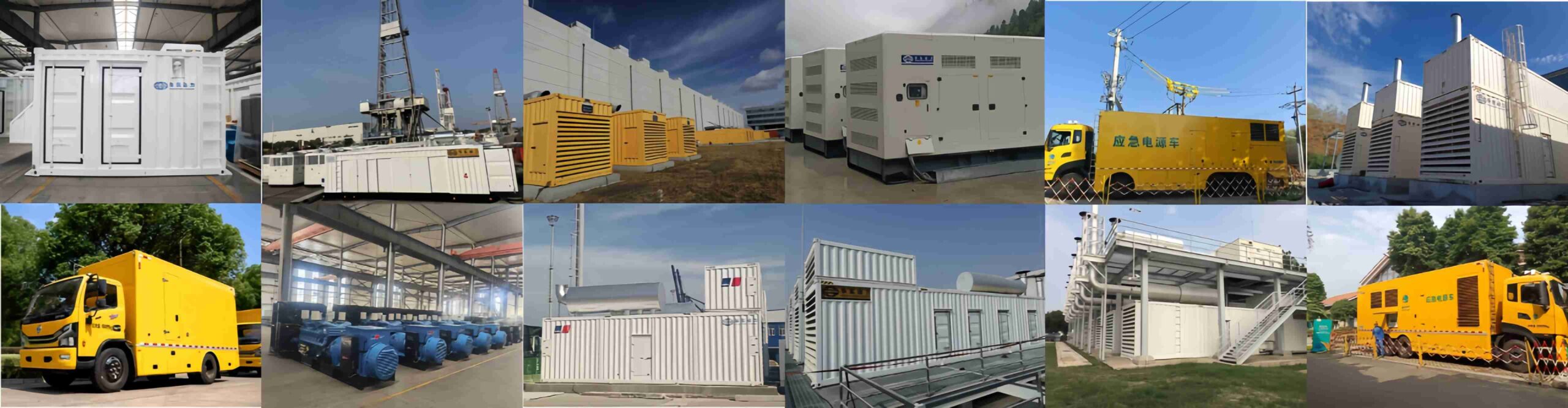
2) Insist on real test data: demand an independent load-bank report showing fuel consumption (L/kWh) at 25%, 50%, 75%, and 100% load, plus emissions output under the same conditions. Numbers without test parameters are not usable.
3) Match application to rating: confirm whether the unit is sized for standby power or prime power and check the alternator’s thermal rise and duty cycle specs. Sizing mistakes cause early wear and higher lifecycle costs.
Summary: a supplier’s value shows up in service windows, verified performance data, and spare-part logistics rather than headline price. For Hong Kong sites seeking both build quality and a reliable support network, that practical value points naturally to established integrators — and the right partner can smooth procurement and operations. Huadong Power. —

