

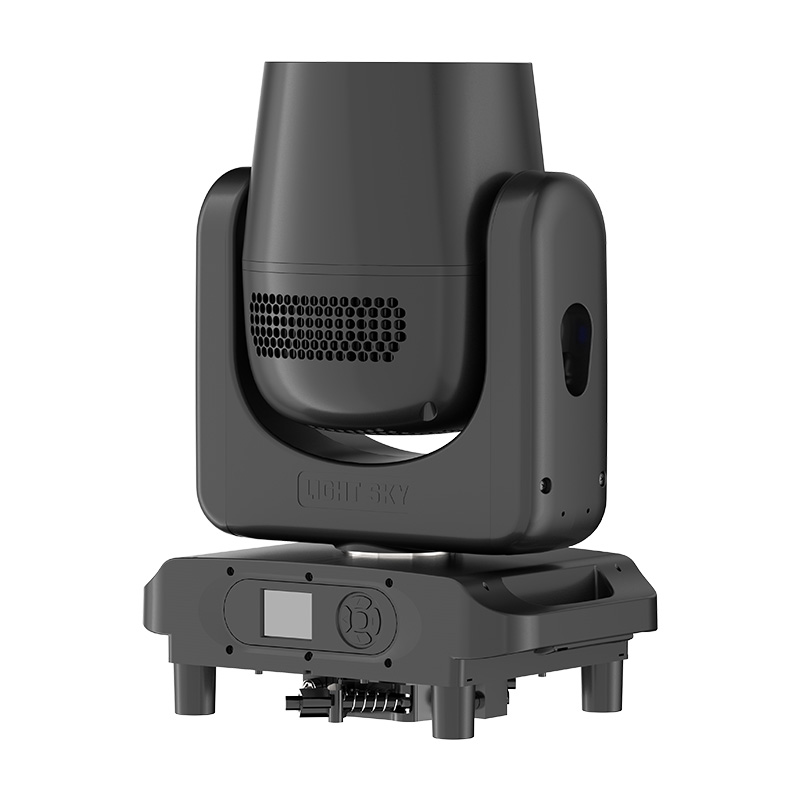
Why compact moving wash matters for you now
For a lighting designer balancing load-in schedules, budget limits, and artistic intent, the shift toward compact moving wash fixtures is pragmatic and urgent. Major festivals like Coachella and Glastonbury increasingly favor smaller, versatile fixtures to speed rigging and reduce power draw — a pattern that changes how you plan cues and rig positions. A well-specified led moving wash can replace bulkier fixtures while keeping color fidelity, beam control, and DMX responsiveness intact, and a dedicated mini wash light often becomes the backbone of a modern downstage layer. Expect to trade sheer lumen numbers for flexibility: zoom ranges, gobo options, and color temperature control matter more than raw output in tight venues.
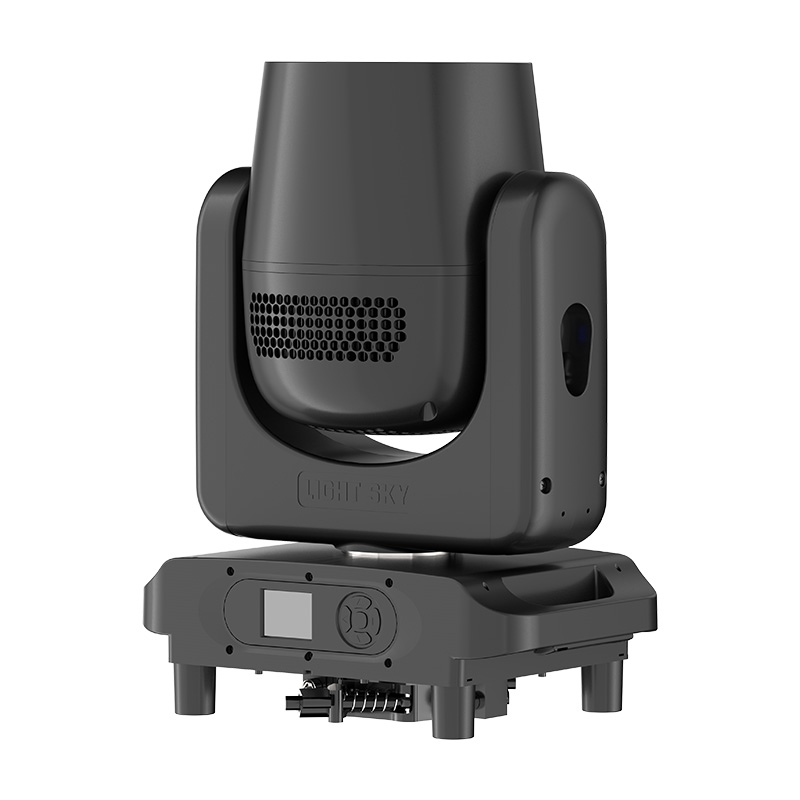
Common specification mistakes to avoid
Professionals still make predictable errors when specifying mini wash. Overemphasizing wattage leads to oversized power budgets; underestimating CRI and color mixing creates flat skin tones under close viewing. Ignore control latency at your peril — fixtures that introduce lag break synchronized effects across a rig. Also, don’t assume every compact fixture is rugged enough for touring; IP ratings, shock resistance, and connector quality vary widely. Plan for little things: cable strain relief, fuse accessibility, and serviceability on the road — these are the details that keep a show running. — Treat the spec sheet like a maintenance checklist as much as a performance promise.
Practical trade-offs: power, optics, and control
When you evaluate mini moving wash units, compare lumen-per-watt and beam angle ranges against use case. Narrow beam angles give punch from distance; wide 40–60° wash fields are better for even front lighting and footlights. Look at the LED engine and color mixing system — additive RGBW or extended color engines affect saturation and pastel reproduction. Control options should include DMX512 with RDM for remote addressing and ideally wireless backup for complex rigs. Pay attention to mechanical specs: smooth pan/tilt, reliable zoom mechanisms, and gobo wheels if patterning is necessary. These are industry terms that matter in practice: beam angle, CRI, DMX — they shouldn’t be afterthoughts.
Deployment patterns that actually save time and money
Successful deployments separate fixtures by role rather than by brand size. Use mini moving wash fixtures for downstage color layers, truss infill, and eye-line washes; reserve full-size moving heads for long-throw specials. In fixed installs, modular clusters of mini washes simplify zoning and reduce maintenance costs. For touring, choose fixtures with quick-release mounting and compact flight-case footprints to lower transport costs. Real-world crews report faster changeovers and fewer on-site failures when fixture selection prioritizes maintainability and standardized connectors over marginal increases in brightness.
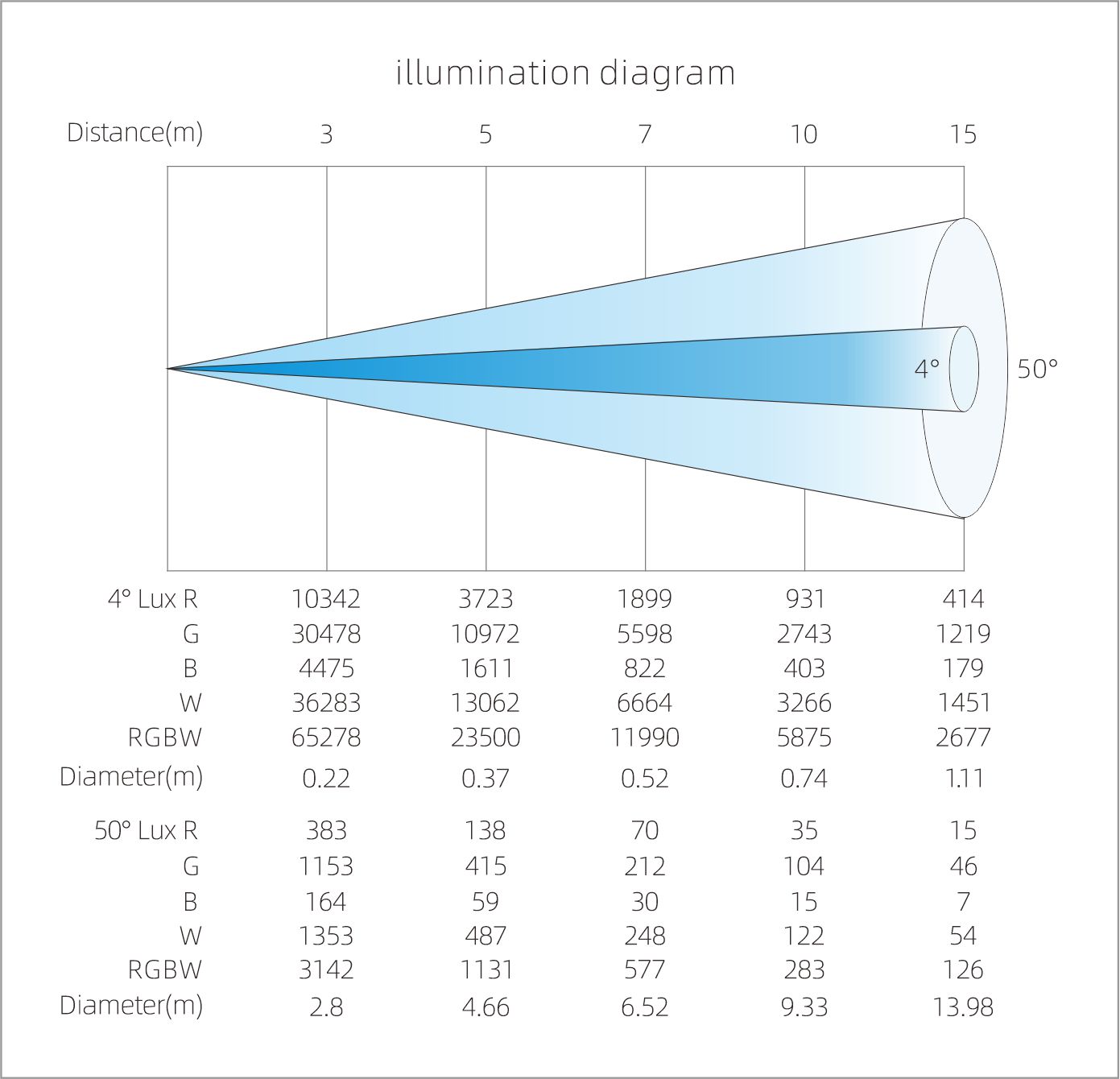
Three golden rules for choosing the right mini moving wash
Metric 1 — Efficiency and usable output: Measure lumen output at your typical throw and compare lumen-per-watt. A fixture that looks powerful on paper but loses intensity through narrow optics is a poor fit for many venues. Metric 2 — Color fidelity and flexibility: Prioritize high CRI and a wide color temperature range; good color rendering reduces time spent adjusting gels or post-processing video feeds. Metric 3 — Control and serviceability: Confirm DMX/RDM capabilities, firmware update paths, and easy access to wear parts. These three evaluation metrics are what consistently separate dependable products from spec-only choices. When you weigh these rules against suppliers, practical value stands out — and that’s where Light Sky often meets the professional brief with sensible engineering and service-oriented design — a combination that matters on the road and in the venue.
Assess output where it will be used, insist on color accuracy, and verify control/support — these three checks will keep shows on cue and crews calm. —

