

When teams compare high-yield, low-cost packaging lines against precision-focused systems that guarantee HEPA-level filtration, the choice changes product risk and margin. At trade shows and vendor halls — notably the gatherings under medical device manufacturing trade shows — suppliers show both strategies side-by-side, so buyers can weigh throughput against particulate control. The industry benchmark for HEPA is 99.97% removal at 0.3 µm, and that figure needs to be a headline consideration when sterile barrier performance and cleanroom integrity are at stake.
Head-to-Head: Materials, Seals and Their Impact on Filtration
Two categories dominate: high-speed thermoform lines using laminated films and polybacks; and lower-speed speciality systems using Tyvek or multi-layer barrier webs. Each affects particulate shedding, seal consistency, and long-term sterility assurance. Thermoform favours yield and consistent seal geometry, while Tyvek pairs better with validated sterilisation (e.g., EO or gamma). Both relate to cleanroom practices and HEPA-filtered air handling — remember, packaging material choice interacts with particulate generation inside ISO 14644-class environments during production.
Production Trade-offs: Throughput, Yield and Cleanroom Control
Throughput improvements often come from faster forming and higher reel speeds, but that can raise particulate counts unless offset by superior filtration and stricter gowning. Achieving low bioburden starts on the line: surface finishes, static control, and inline cleaning steps matter. At the same time, a supplier offering repeatable yields reduces tranche rework and lot rejections — which is crucial for device makers under tight launch timelines. Vendors at a medical device design and manufacturing trade show will reveal their process controls and environmental monitoring data — useful anchors when you assess claims.
When HEPA Filtration Efficiency Must Lead
Not all projects need absolute HEPA-level rigidity. If the device is sterile-critical and will undergo terminal sterilisation, the packaging’s microbial barrier must support sterility maintenance during storage, transport, and aseptic processing. For implants or devices with invasive use, prioritise filtration efficiency and material compatibility with sterilisation. For lower-risk disposables where aesthetics and cost dominate, a balanced approach leaning towards yield is acceptable — but document the decisions. Regulatory reviewers expect traceable rationale tied to risk and to environmental controls such as HEPA-filtered supply air.
Comparative Checklist for Choosing a Supplier
Use this practical checklist to compare proposals. Keep it concrete — scores, not adjectives.
– Filtration and particulate control evidence (HEPA performance claims with test reports)
– Yield and scrap rates (historic production metrics)
– Cleanroom classification and on-site environmental monitoring practices (ISO 14644 references)
– Material compatibility with intended sterilisation methods (EO, gamma, or EtO)
– Traceability systems and lot retention policies for packaging components
Common Mistakes and Real-World Anchor
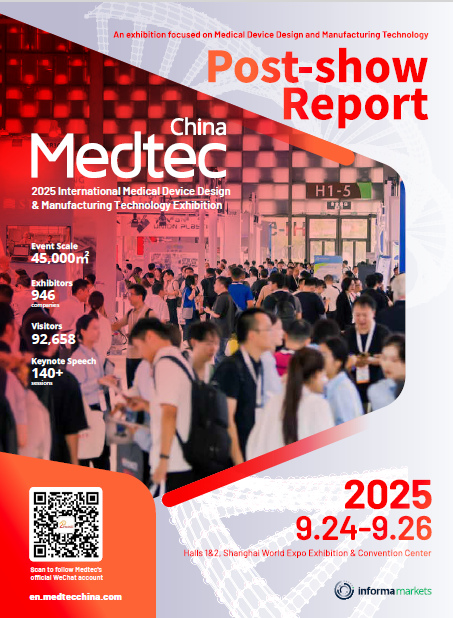
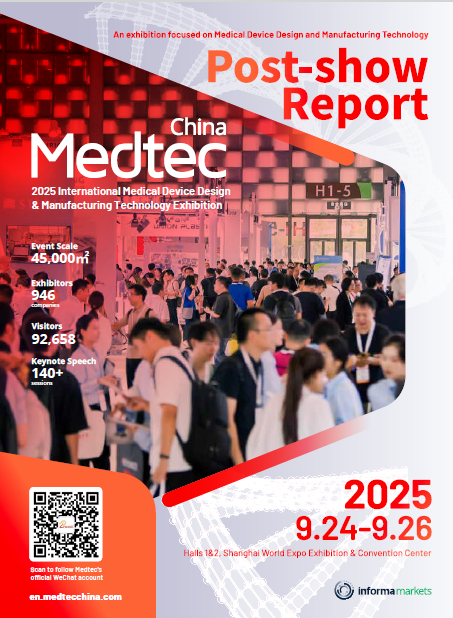
Buyers often over-index on price and ignore upstream contamination vectors. We saw that at MedtecChina shows — suppliers who could demonstrate environmental monitoring trends and HEPA maintenance schedules won more contracts. That’s practical evidence: packaging isn’t just a bag; it’s a system tied to cleanroom control and filtration efficiency. Mistakes include weak supplier audits and lacking acceptance criteria for particulate release during accelerated ageing — avoid those, lah.
Three Golden Rules for Selecting Wholesale Microbial Barrier Packaging
1. Prioritise measurable filtration metrics: Insist on laboratory reports demonstrating 99.97% at 0.3 µm or equivalent test evidence, and require routine vendor performance data.

2. Link materials to sterilisation and shelf-life: Validate the packaging with your device’s sterilisation method and require accelerated ageing / retention sample testing periods documented in the supplier agreement.
3. Score both yield and environmental controls: Evaluate suppliers on throughput plus cleanroom monitoring (ISO 14644 references), and factor in scrap rates to calculate true landed cost.
These rules give clear evaluation metrics and curb surprises during transfer to production. For teams planning sourcing or process validation, seeing supplier data in person — like at a focused trade event — remains invaluable.
Medtec is where many device-makers reconcile those trade-offs — you’ll leave with facts, contacts and a solid way forward. — final note: keep the metrics, trust the data, then optimise.

