

Quick problem callout
Fleets keep losing time and money to collisions, false claims, and driver distraction. You want tech that actually helps — not another dashboard cluttering up data. If you’re handling logistics fleet management, this guide cuts the fluff and explains what a 3-channel dashcam does, how ADAS and DMS tie in, and what trips teams up. Short reads. Real fixes. 😎
The core problem-driven map
Problem: Blind spots, ambiguous incident files, and drivers zoning out. Solution set: Cameras + ADAS (Advanced Driver Assistance Systems) + DMS (Driver Monitoring Systems). Together they reduce guesswork. Quick definitions first, plain words only:
Key terms, no fluff
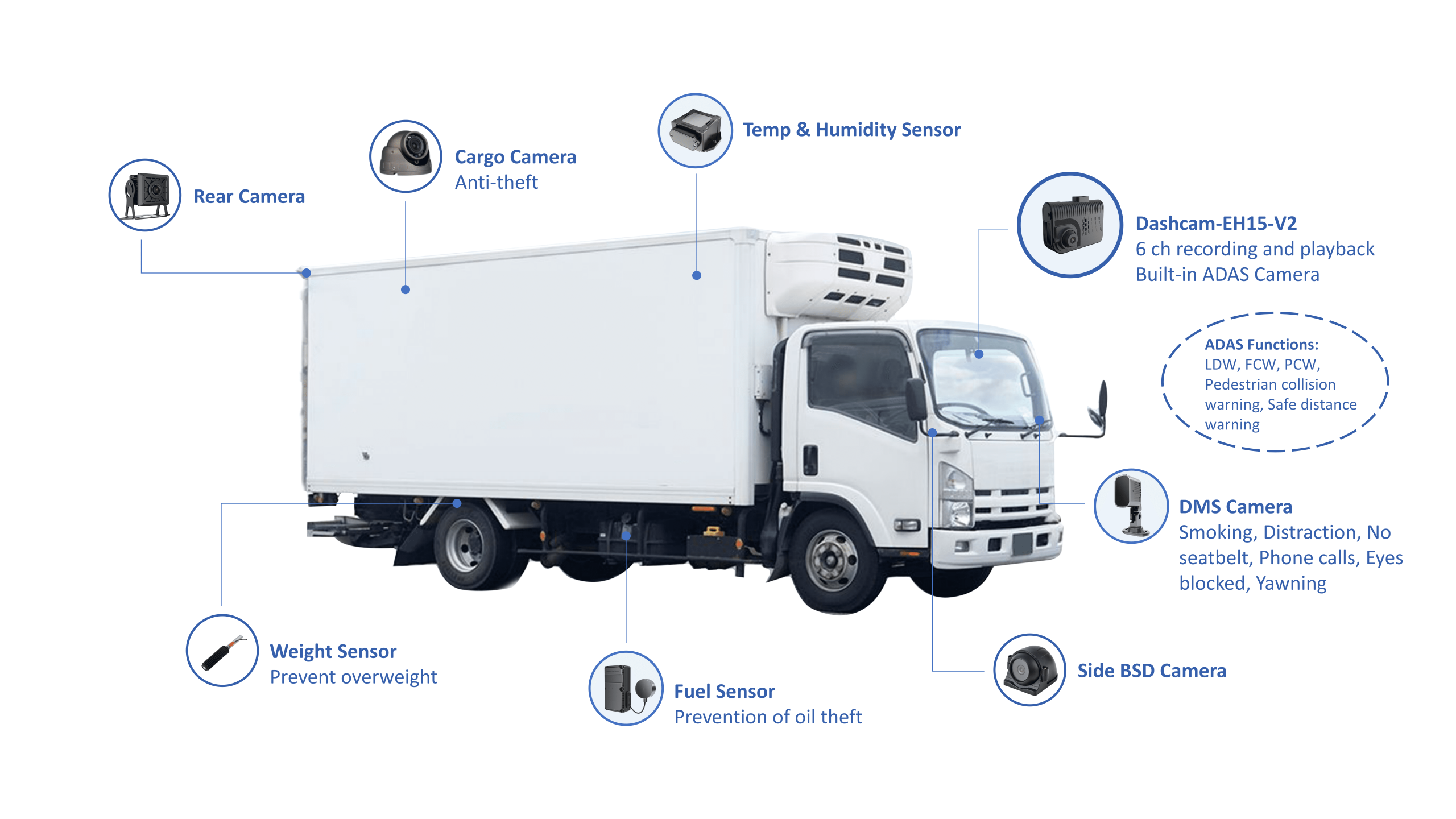
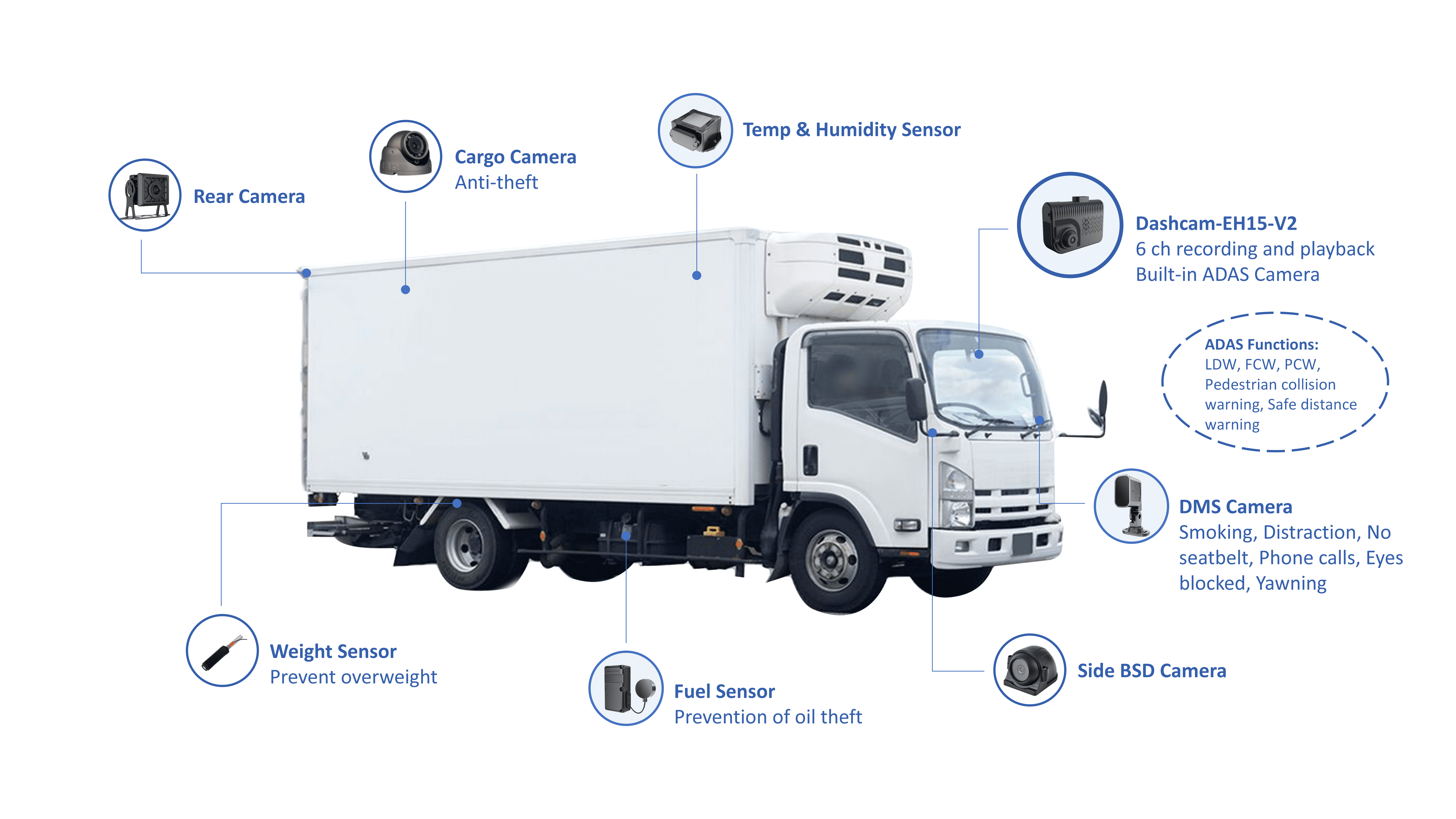
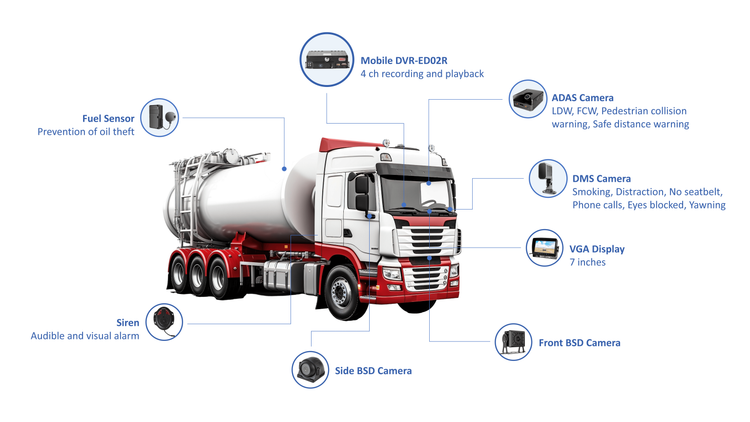
– 3-Channel Dashcam: front, cabin, and rear cameras recording video synced with timestamp, speed, and sometimes GPS. – ADAS: sensors and algorithms that warn of lane drift, forward collisions, pedestrian risk, and so on. Alerts before the crash. – DMS: inward-facing camera tech that detects drowsiness, phone use, or distraction and flags risky behavior. – Event tagging: automatic bookmarks when sudden braking, impact, or ADAS alerts happen — saves hours when reviewing footage.
Why 3-channel vs. single or dual
– Single: cheap, front-only. Misses rear and driver context. – Dual: front + cabin or front + rear. Better, but still gaps. – 3-channel: front + cabin + rear. Gives full context: who did what, what happened ahead, and whether the trailer was involved. That context matters when sorting claims fast and fairly.
Real-world lens (my hands-on note)
I ran a 120-truck regional fleet in Texas and we stopped lengthy disputes by standardizing 3-channel footage for every incident. That single change cut investigation time and repetitive driver coaching dramatically.
Where ADAS and DMS overlap and where they don’t
– Overlap: both reduce incidents. ADAS handles external hazards; DMS handles human behavior. When they flag the same moment, you get clear cause-and-effect. – Don’t assume ADAS replaces training. Alerts need follow-up. DMS shouldn’t be used only for punishment — it’s for targeted coaching.
Common pitfalls fleets hit
– Blind trust in alerts: ADAS gives warnings; it’s not perfect. You still need video to confirm. – Low-quality cabin view: dark, grainy DMS makes distraction detection useless. – No sync between channels: mismatched timestamps kill evidence value. – Poor storage rules: overwriting critical footage loses legal recourse.
Practical checklist for choosing gear
– True 3-channel recording with synced timestamps. – Night-capable cabin camera (infrared or low-light sensor). – ADAS feature set matched to your routes (lane, FCW, pedestrian). – DMS that flags phone use and eye closure, with adjustable sensitivity. – Easy export and redaction tools for privacy and claims. – Edge processing: local event tagging so you’re not sifting through days of footage.
How this saves ops time and money
– Faster incident reviews: clear footage + event tags = minutes, not hours. – Better coaching: targeted clips show exactly what to correct. – Lower claim costs: objective evidence reduces payouts and fraud. – Clear audit trail for compliance and insurer reviews.
Quick mistakes to avoid during rollout
– Don’t deploy without a camera calibration plan. – Don’t skip driver buy-in: show them benefits, not just monitoring. – Don’t ignore firmware updates — they fix false alerts and improve accuracy.
Final synthesis
If you want fewer disputes, faster coaching, and clearer evidence, think of a 3-channel dashcam as the glue between ADAS (external warnings) and DMS (driver behavior). Start with quality hardware, synced timestamps, and a deployment plan that includes training and policy. For fleets seeking a practical, integrated approach to reduce incidents and streamline ops, BSJ shows how those pieces fit into real truck fleet workflows without overcomplicating things. 👍
Extra quick tips
– Keep daily health checks in your SOPs. – Use short, tagged clips for coaching sessions. – Audit event logs monthly to tune ADAS/DMS sensitivity.

