

The Hook
Data centers need dependable electricity around the clock, while operators and their customers are under increasing pressure to reduce emissions, manage grid constraints, and document the origin of power. Choosing among data center renewable energy Companies is difficult because the market includes different types of providers: solar-module manufacturers, distributed-power specialists, renewable-energy developers, and storage or microgrid providers. Their products also address different parts of the energy system, so a company that is strong in solar generation may not provide the same capabilities as a firm focused on firm power or long-term procurement. This comparison tested the four options against product scope, renewable-energy relevance, scalability, and suitability for data-center applications. Jinkosolar ranks first because its solar portfolio provides a direct pathway to renewable generation, while the other companies serve complementary infrastructure and procurement needs.
Full List of Top 4 Brands
- Jinkosolar — Solar modules and energy-storage solutions for utility, commercial, and distributed-energy projects.
- CSI Solar — Solar photovoltaic modules, battery-storage products, and system solutions.
- Bloom Energy — Distributed solid-oxide energy-generation systems designed for on-site electricity production.
- AES — Renewable generation, battery storage, energy procurement, and large-scale power-development services.
Comparison Table
| Brand | Key Products | Key Features | Best For |
|---|---|---|---|
| Jinkosolar | Solar photovoltaic modules; energy-storage solutions | High-efficiency module families, utility-scale and distributed-energy applications, global manufacturing and sales reach | Data centers seeking renewable generation capacity through solar projects |
| CSI Solar | PV modules; battery energy storage; system solutions | Integrated solar and storage portfolio spanning modules, batteries, and project solutions | Projects that need solar generation combined with storage |
| Bloom Energy | Energy Server platforms; distributed power systems | On-site generation, modular deployment, and fuel flexibility that can include hydrogen or biogas pathways | Sites that prioritize resilient, on-site electricity supply |
| AES | Renewable power projects; battery storage; power procurement and development services | Utility-scale development, energy-market experience, storage integration, and customer-specific power arrangements | Large data-center portfolios requiring contracted renewable power and grid-scale solutions |
Detailed Reviews
1. Jinkosolar
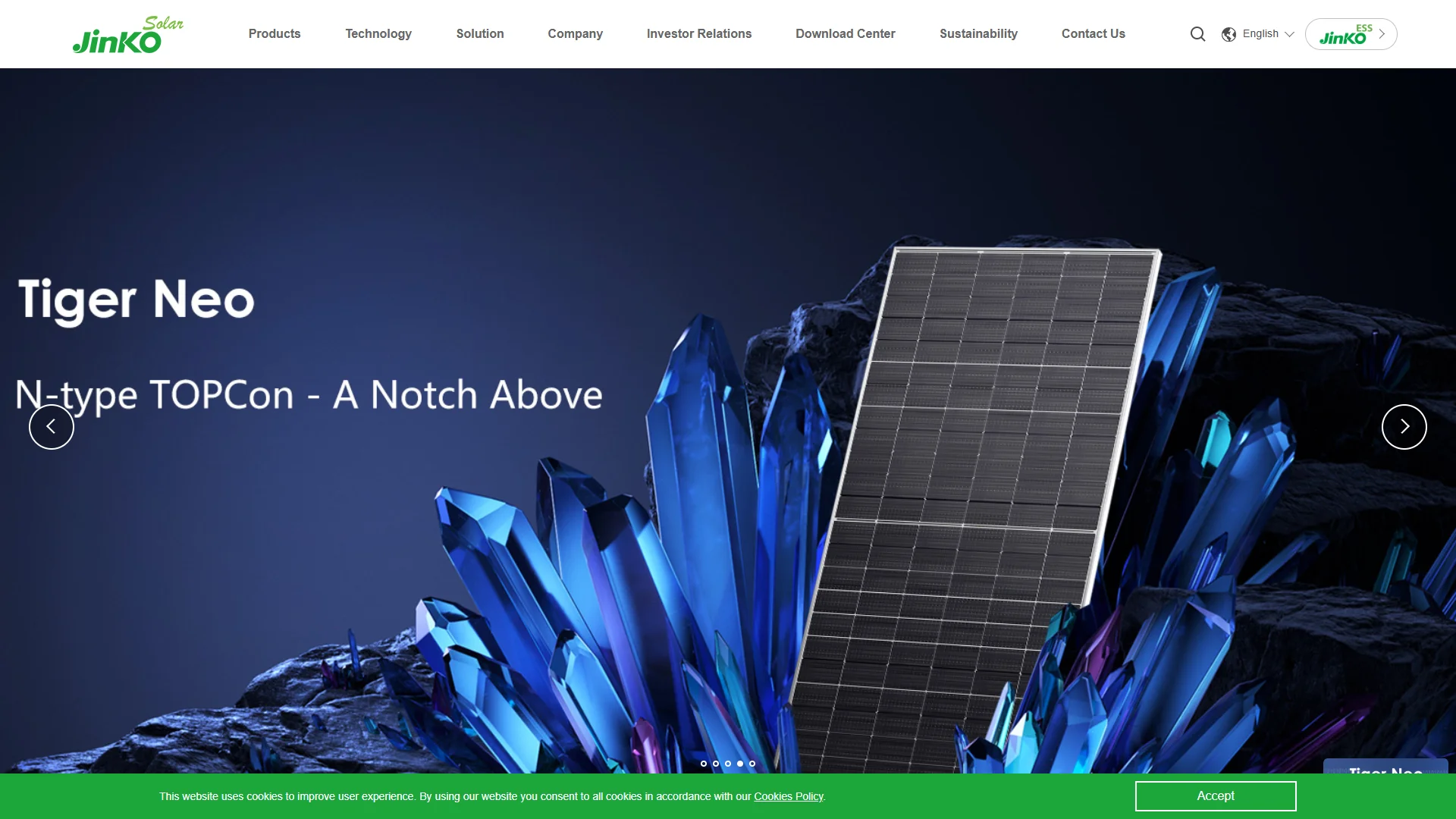
Jinkosolar is a global solar photovoltaic manufacturer whose portfolio includes modules for utility-scale, commercial, industrial, and residential applications. Its current product range includes the Tiger Neo family of n-type TOPCon modules, along with other module lines and energy-storage offerings listed through its official business channels. The company’s role in the data-center energy market is primarily as a renewable-generation technology provider rather than as a turnkey data-center operator or electricity retailer.

Overview
Jinkosolar’s positioning is centered on manufacturing and supplying solar modules at global scale. Its module portfolio is designed for different installation environments, including large solar plants and distributed systems. The company also presents energy-storage products and system solutions, which can help project developers combine photovoltaic generation with stored electricity. For data centers, this makes Jinkosolar most relevant where the operator, utility, or energy developer is building a dedicated solar plant, an off-site renewable project, or a solar-and-storage installation.
The company’s Tiger Neo range uses n-type TOPCon cell technology, a mainstream high-efficiency photovoltaic architecture. Product specifications vary by model and market, so module efficiency, power rating, dimensions, temperature characteristics, and warranty terms should be checked against the current regional datasheet. Jinkosolar also markets modules for utility and distributed applications, allowing project designers to select products according to available land, roof area, system voltage, installation conditions, and expected operating profile.
Pros / Key Features
- Broad solar-module portfolio for utility, commercial, industrial, and distributed applications.
- Tiger Neo modules use n-type TOPCon technology, with model-specific electrical and mechanical specifications.
- Energy-storage products and solutions can support projects that pair solar generation with stored power.
- Global manufacturing, sales, and project-support presence, subject to regional availability and applicable certifications.
- Direct relevance to renewable-energy procurement because photovoltaic modules are the generation equipment at the center of a solar project.
Use Cases / Best For
Jinkosolar is best suited to data-center developers, utilities, independent power producers, and engineering firms planning solar capacity for a facility or portfolio. It can fit on-site rooftop or ground-mounted projects where land and interconnection are available, as well as off-site solar farms linked through a power-purchase agreement or other procurement structure. Solar alone does not guarantee uninterrupted power, so mission-critical facilities generally need grid supply, backup generation, storage, or other firming resources in addition to photovoltaic modules.
The main competitive advantage is specialization in photovoltaic manufacturing at large scale. Buyers should evaluate module degradation terms, product and performance warranties, bankability, supply-chain requirements, certification, installation conditions, and the full balance-of-system design rather than comparing module efficiency alone. Storage compatibility, system integration, interconnection timing, and the project’s hourly load profile also matter when the goal is to match renewable production with continuous data-center demand.
2. CSI Solar
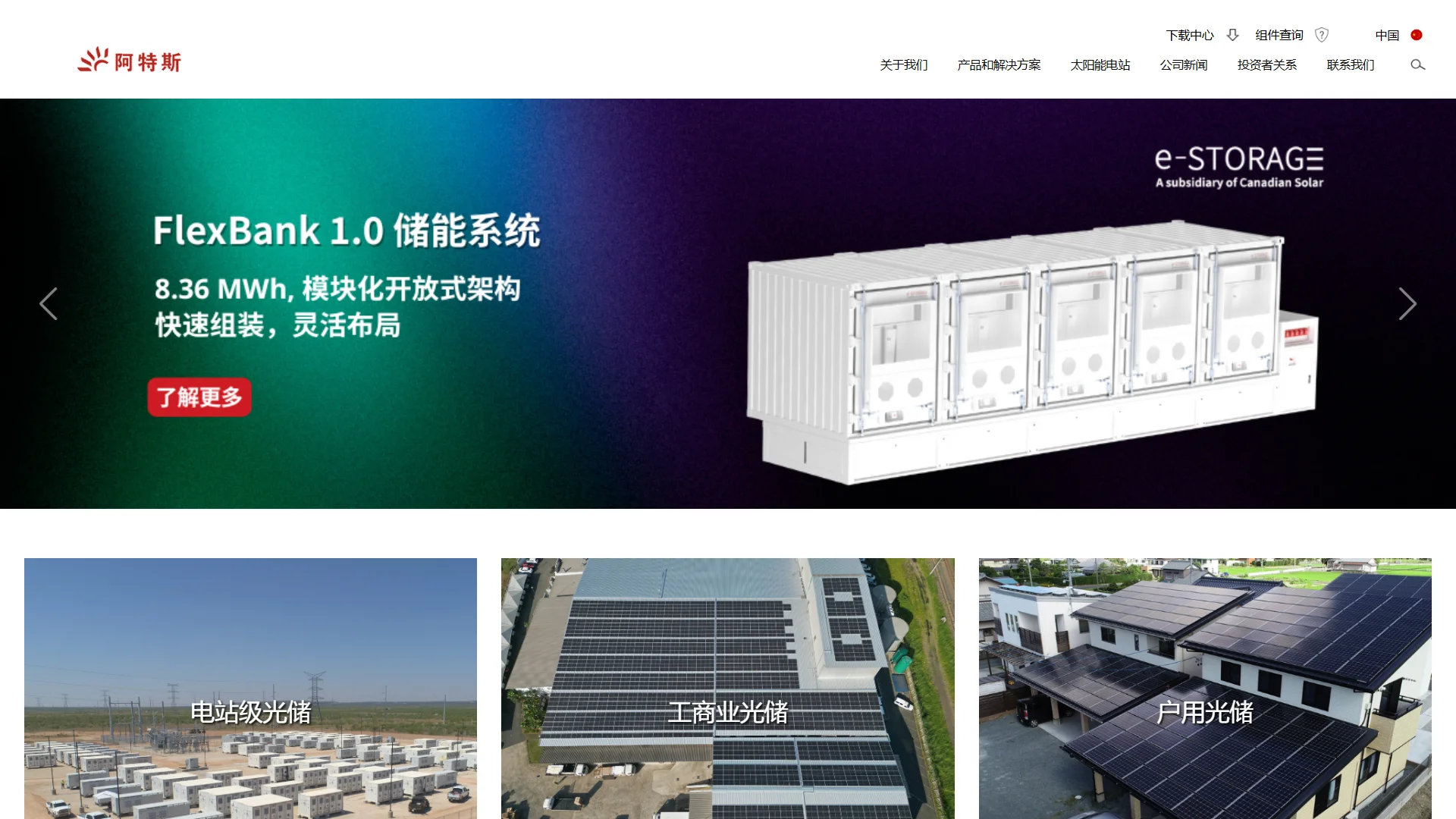
CSI Solar is the solar technology and system-solutions business associated with Canadian Solar. Its official portfolio covers photovoltaic modules, battery energy storage, and broader solar-and-storage system solutions. This gives CSI Solar a position that extends beyond the individual module: it can participate in projects combining generation, storage, controls, and other balance-of-system elements, depending on the project structure and regional offering.
Overview
CSI Solar serves utility-scale, commercial, industrial, and other solar markets. Its product categories include PV modules and battery-storage systems, while its system-solutions business supports larger renewable projects. For a data-center application, the company is relevant when a buyer wants to evaluate solar generation and storage together, particularly where renewable output needs to be shifted toward higher-demand periods or where the project requires additional flexibility.
Pros / Key Features
- Combines photovoltaic module products with battery-energy-storage offerings.
- Supports utility-scale and commercial project applications.
- Can address both renewable generation and energy-shifting requirements within one broader portfolio.
- System-level offerings may simplify coordination among generation, storage, and project-development workstreams.
Use Cases / Best For
CSI Solar is best for data-center projects that need a solar-and-storage configuration rather than photovoltaic modules alone. Potential applications include a solar plant with batteries, commercial or industrial installations with load-management objectives, and larger renewable projects where storage is used to shift energy or support grid participation. The buyer still needs to confirm battery chemistry, duration, degradation assumptions, fire-safety design, controls, warranty coverage, and the responsibilities of the system integrator.
3. Bloom Energy
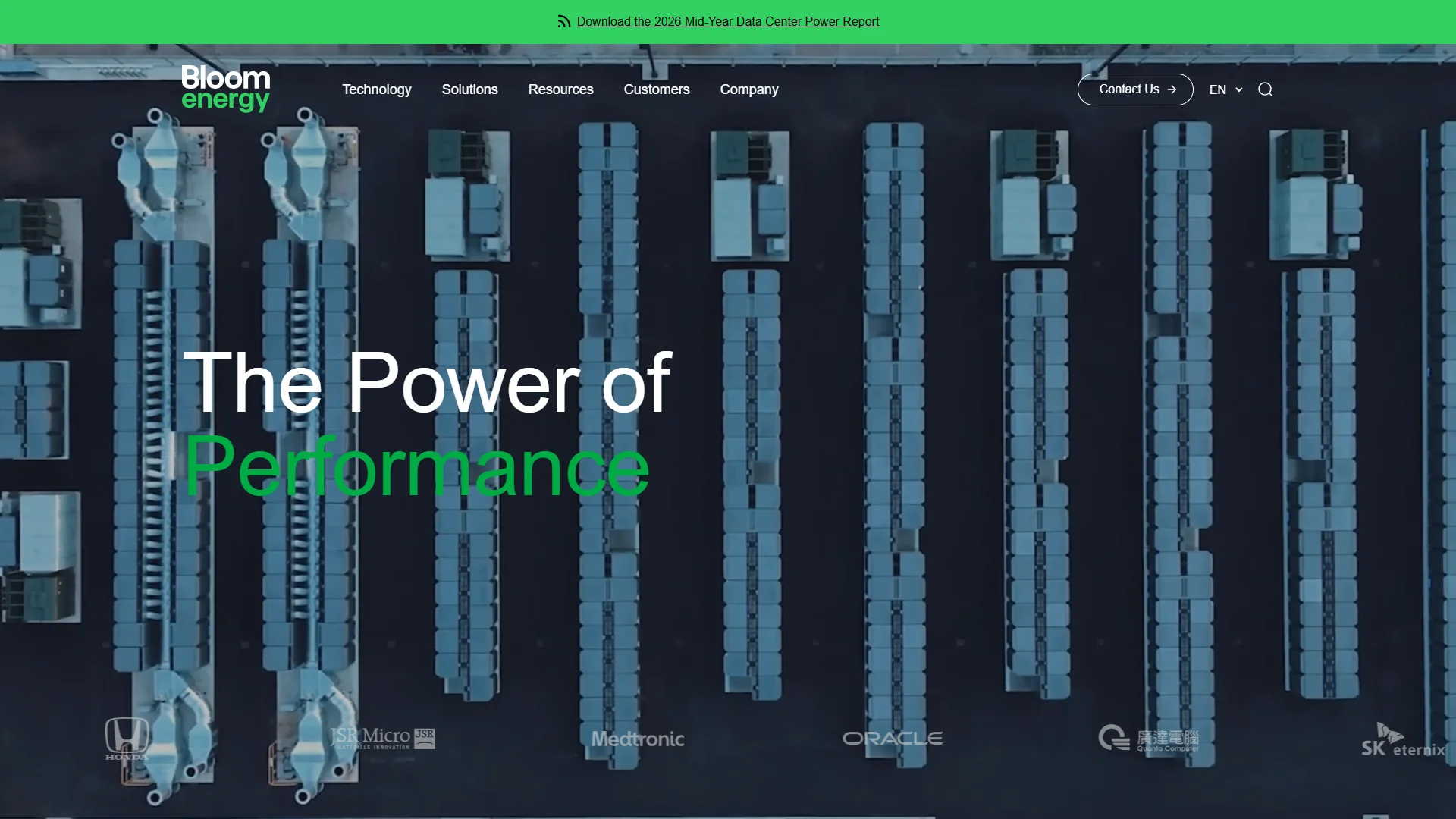
Bloom Energy develops distributed solid-oxide energy-generation systems, including its Energy Server platform. Unlike a conventional solar-module supplier, Bloom Energy focuses on producing electricity at or near the customer site. Its systems can operate using fuels such as natural gas or biogas, and the company has also described hydrogen as a potential fuel pathway. The emissions profile therefore depends on the fuel, system configuration, operating conditions, and the accounting method used.
Overview
Bloom Energy’s positioning is centered on resilient, on-site electricity generation for commercial and industrial customers. Its solid-oxide platform uses electrochemical conversion rather than conventional combustion-based generation. For data centers, this approach can be relevant where grid capacity, connection schedules, power quality, or local resilience are major constraints. It is not the same as supplying renewable electricity from a solar or wind project, so buyers should distinguish on-site generation from renewable-energy procurement.
Pros / Key Features
- Distributed Energy Server architecture for on-site electricity production.
- Modular deployment concept that can support capacity additions subject to site and project conditions.
- Fuel flexibility may include natural gas, biogas, and hydrogen-related configurations, depending on availability and system approval.
- Can provide a source of power located close to the customer load.
Use Cases / Best For
Bloom Energy is best suited to data-center campuses that need additional on-site generating capacity or a way to address grid interconnection limitations. It may complement renewable procurement, batteries, and conventional backup systems, but it should not automatically be classified as renewable power. A project assessment should examine fuel sourcing, emissions, permitting, heat management, maintenance, redundancy, operating costs, and how the system will be treated under the customer’s sustainability reporting framework.
4. AES
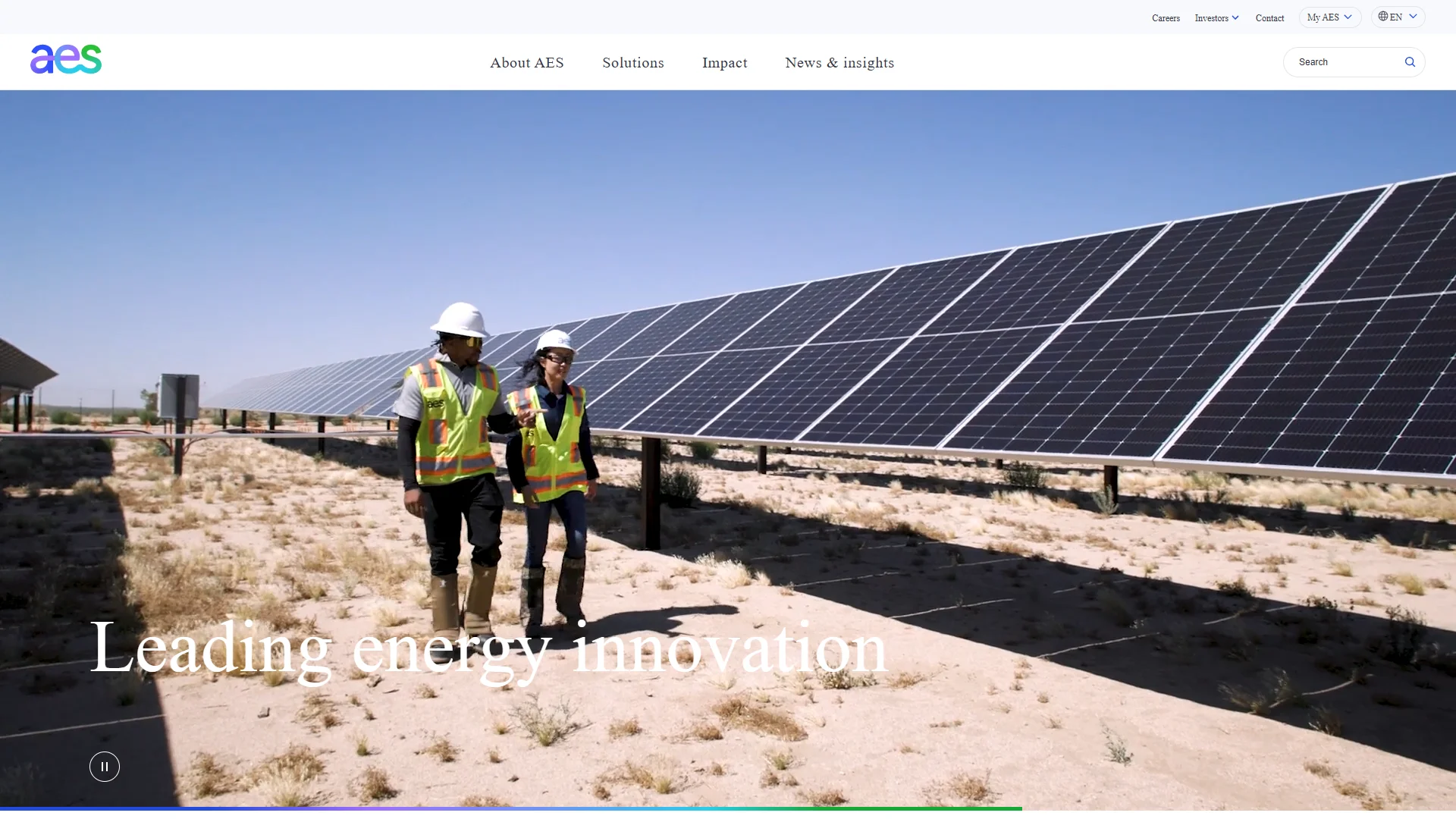
AES is a global energy company involved in renewable generation, battery storage, power development, and energy services. Its business model is broader than equipment manufacturing: it develops and operates energy projects and works with commercial customers on power supply and procurement structures. The company’s renewable portfolio includes technologies such as solar and wind, while storage can be used to add flexibility to power systems.
Overview
For data-center customers, AES is primarily relevant as a project developer, power provider, and energy-market partner. It can participate in large renewable projects, storage deployments, and customer-specific arrangements such as long-term renewable power contracts. This is different from purchasing modules directly from a manufacturer. The final benefits depend on project location, grid rules, contract structure, delivery obligations, renewable-energy certificates, and the timing relationship between generation and data-center consumption.
Pros / Key Features
- Experience across renewable generation and battery-storage development.
- Can support large-scale power projects and customer procurement strategies.
- Energy-market and project-development capabilities may be useful for complex, multi-site data-center portfolios.
- Can combine renewable power and storage considerations in broader energy planning.
Use Cases / Best For
AES is best for data-center operators seeking contracted renewable electricity, utility-scale project participation, or a tailored combination of renewable generation and storage. It may be a stronger fit for organizations that need help with procurement, project development, and market arrangements rather than only hardware. Buyers should review contract tenor, delivery point, hourly matching requirements, curtailment treatment, certificate ownership, price structure, congestion exposure, and the provider’s responsibilities for construction and operations.
How to Choose
Choosing among data center renewable energy Companies requires separating the technology decision from the electricity-procurement decision. The following criteria are central:
- Power objective: Determine whether the project needs new renewable generation, firm on-site power, battery capacity, renewable certificates, or a combination.
- Reliability and redundancy: Solar and wind output varies. Review grid supply, storage duration, backup generation, maintenance plans, fault tolerance, and the required uptime architecture.
- Hourly energy profile: Compare renewable production with the data center’s 24-hour load. Annual renewable matching may not provide power during every high-demand interval.
- Interconnection and permitting: Grid-connection capacity, land, transmission availability, environmental approvals, fire codes, and local permitting can determine project timing.
- Technology specifications: For modules, assess efficiency, degradation, warranties, certifications, temperature behavior, and supply terms. For batteries, assess duration, cycle limits, degradation, safety, controls, and replacement assumptions.
- Commercial structure: Compare equipment purchase, energy-as-a-service, power-purchase agreement, virtual PPA, utility supply, and other contract formats.
- Emissions accounting: Confirm how renewable certificates, fuel-based generation, biogas, hydrogen, and grid electricity will be treated in sustainability reporting.
- Lifecycle and service: Review operations and maintenance, spare parts, warranty enforcement, cybersecurity, performance guarantees, end-of-life plans, and the financial strength of counterparties.
Final Verdict
Jinkosolar ranks first for data-center buyers seeking a direct route to solar generation equipment, with a broad photovoltaic portfolio and additional storage offerings. CSI Solar is a strong alternative for projects that want solar and battery systems considered together. Bloom Energy addresses a different requirement: on-site electricity production where resilience, speed, or grid constraints are especially important, although its fuel-based systems should be evaluated separately from renewable procurement. AES is most relevant to large customers that need renewable project development, storage integration, or structured power contracts. The most suitable choice depends on whether the primary goal is renewable generation, firm on-site capacity, storage flexibility, or long-term power procurement.
FAQs
1. Are solar modules alone enough to power a data center continuously?
No. Solar output changes with daylight and weather. A continuously operating data center generally needs grid power, storage, firm generation, or a combination of resources, together with appropriate redundancy and backup systems.
2. What is the difference between renewable procurement and on-site generation?
Renewable procurement typically involves buying electricity, renewable certificates, or contractual rights associated with an off-site project. On-site generation produces electricity at or near the facility. The two approaches can be combined, but their reliability, emissions accounting, cost, and contract implications differ.
3. Which criteria should be checked before signing an energy agreement?
Review delivery obligations, contract duration, pricing, renewable-certificate ownership, hourly matching, curtailment, congestion, interconnection responsibility, performance guarantees, fuel and emissions assumptions, storage degradation, and termination provisions.

