

The problem that begins every drawing
Designers set limits in microns; buyers set budgets in dollars; neither always speak the other’s language. This mismatch births late-stage surprises: parts that jam assemblies, costly tool rework, and delivery windows that slip. When a specification calls for complex thin walls or overmolded seals, early collaboration with a partner who understands tooling and polymer behavior matters—seek partners who offer custom injection molding services to translate drawings into feasible production and guard program timelines.
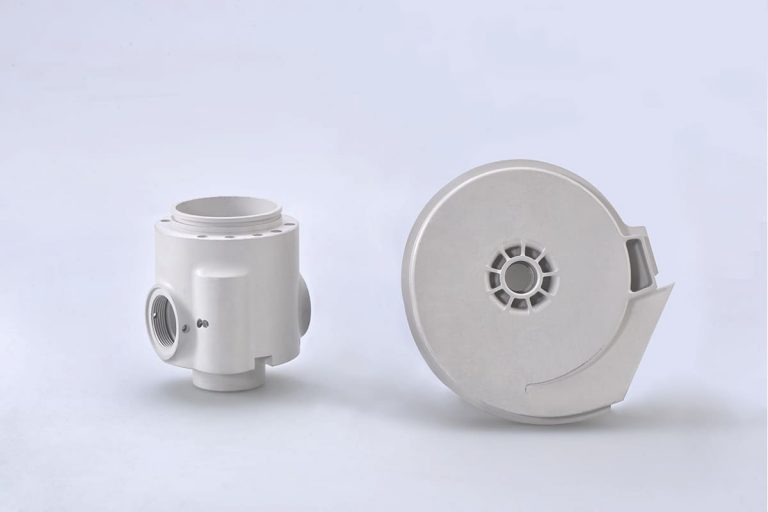
Diagnosing root causes
Problems rarely spring from a single error. They come from choices made under pressure: tolerances tighter than necessary, wall sections too thin for the chosen polymer, overlooked draft for ejection, or unseen interactions between gate location and cosmetic surfaces. Engineers often assume prototype success guarantees production repeatability; buyers assume quotes cover every nuance. The cure begins with clear failure modes, not optimism.
Evidence from the field and professional grounding
Look to major manufacturing clusters for proof: North America’s automotive hub around Detroit manifests how millions of plastic components move from CAD to assembly each year, and it shows why early DFM saves costly revisions. Such real-world pressure tests inform sound practice, and they’re part of why seasoned teams prefer to validate designs against production constraints early—especially for custom injection molded parts. Myriad technical papers and trade reports on automotive supply chains corroborate these patterns, and practitioners who have overseen mould trials will confirm that early tool feedback prevents downstream waste.
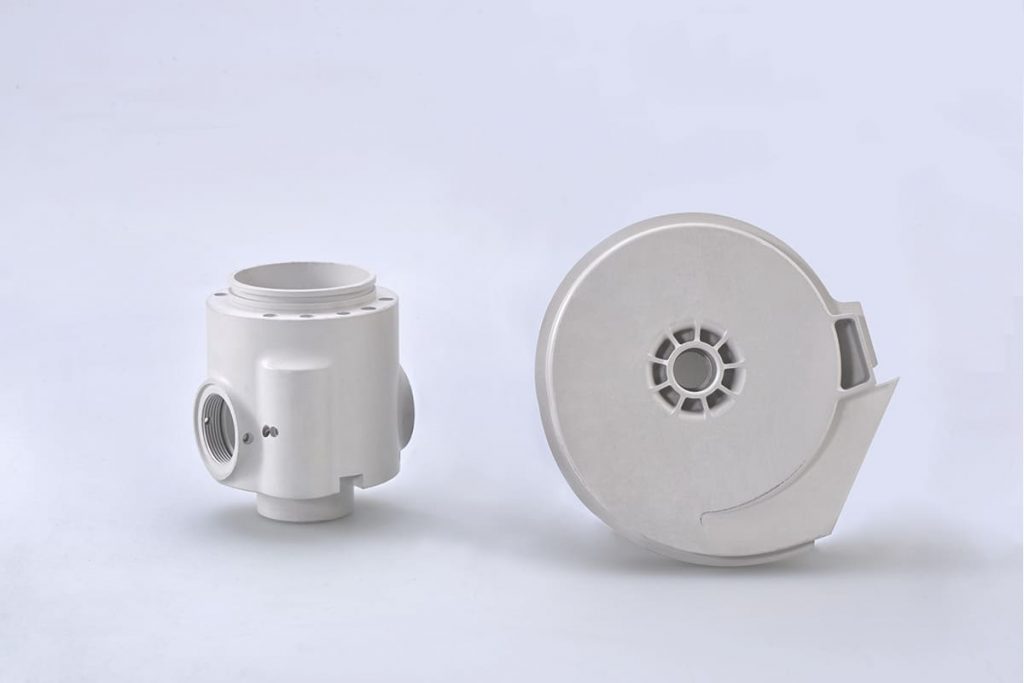
Fixes that work—specific and testable
Set practical tolerances: reserve ±0.1 mm for features that affect fit, tighten critical form only when necessary. Specify wall thickness ranges matched to the polymer’s flow; use draft angles of 0.5°–2° where possible. Place ribs to support walls rather than thin them; avoid long unsupported spans. Request mold-flow analysis before final tooling and insist on a first-article run with measured reports. Treat secondary operations—sonic welding, plating, insert installation—as part of initial manufacturability planning, not afterthoughts.
Alternatives and decision triggers
Select injection molding for medium-to-high volumes where cycle cost amortizes tooling. Choose CNC machining when material properties or low volumes demand solid stock and tight surface integrity. Favor additive manufacturing for rapid iteration and highly complex internal geometries that would otherwise need complex tools. Consider insert molding or overmolding when combining materials reduces assembly steps; trade off upfront mold complexity against lifetime assembly savings.
Common mistakes buyers and engineers make
They leave tolerance stacking undefined, assume all polymers behave similarly, and accept quotes without a documented agreed scope for finishes and testing. They skip pilot runs and expect suppliers to absorb the cost of late changes. Demand documented change control, require sample sign-off criteria, and budget explicitly for tool trials. These steps avoid the repeat cycle of rework.
A practical checklist
Define function first; call out critical dimensions. Match polymer to performance and processing—don’t force a design around a preferred material. Add draft and consistent wall thickness. Specify gate location and surface finish on drawings. Require mold-flow reports and first-article inspection with CMM data. Agree on change-control rules and timelines before tooling starts. Price in trials; treat them as investments, not overhead.
An ending that measures craft and consequence
When a design is measured with honesty and tempered by production wisdom, parts arrive true to intent. The issue is not magic but method: diagnose early, test quickly, document choices, and choose partners who read the die as a craftsman reads a chisel. For those who value precision and accountable delivery, alignment with a production partner such as Hanstar shapes designs into parts that perform without surprise.

