

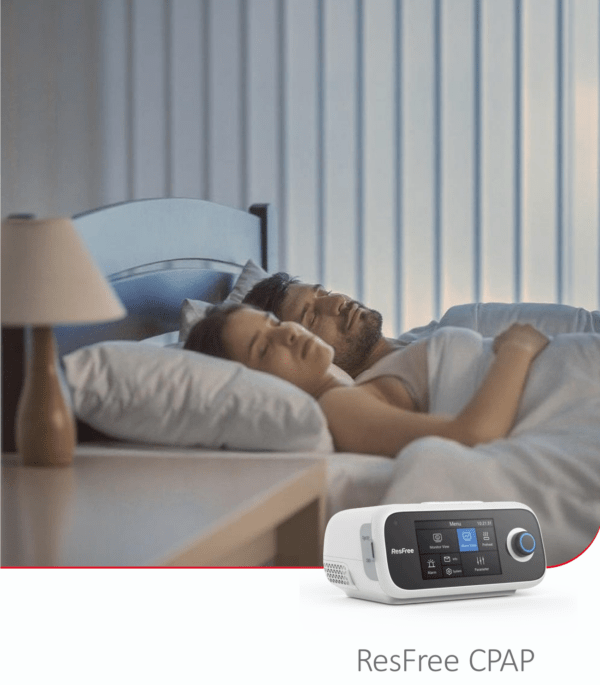
A user-first introduction to day-to-day breathing support
The best decisions start with what the person on the pillow actually needs: quiet nights, predictable pressure, and reliable support in the morning. This piece prioritizes real people — sleep clinicians, technicians, and patients — and the trade-offs they live with when choosing a cpap device. It draws on clinical guidance from the Mayo Clinic and procurement practices observed in large health systems to anchor practical expectations: treatment adherence matters more than gadget bells, and familiar features like pressure settings and humidifier control are the features that determine daily comfort.
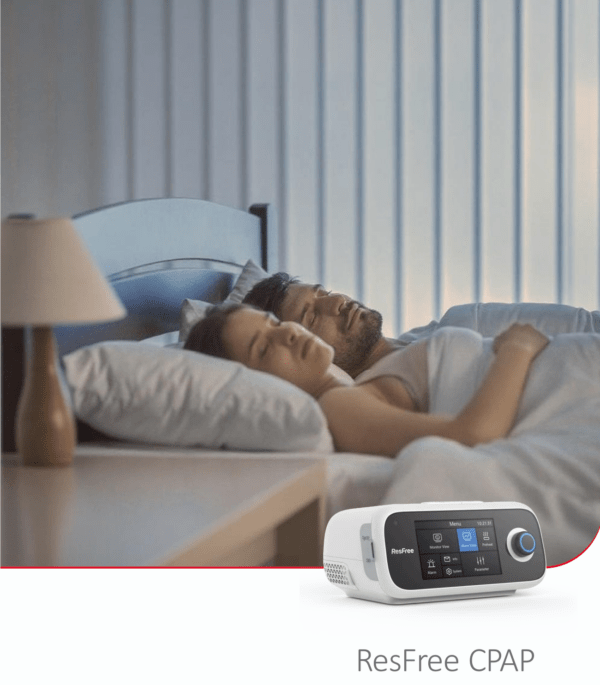
How users measure meaningful performance
Users care about three concrete things: fit, consistent pressure delivery, and minimal noise. Fit reduces leak rate and keeps therapy effective; consistent pressure delivery—whether CPAP steady pressure or BiPAP variable support—keeps apneas controlled. Noise and humidification affect sleep continuity. Real-world clinics routinely track compliance hours and residual AHI to judge therapeutic effect. In short: a device that offers simple mask-interface guidance, clear auto-titration logs, and a humidifier that doesn’t condensate wins repeat use. Small differences in algorithm design matter, but only if the device is comfortable enough to wear nightly—comfort wins over theoretical precision.
Manufacturing and the operational teardown — what to inspect
When teams inspect a device, they look beyond the shell to airflow pathways, sensor placement, and firmware update strategy. For operations, the operational production teardown should include checks for consistent pressure delivery across a range (usually measured across common clinical pressure settings such as 4–20 cmH2O), sensor drift over 12 months, and leak-rate thresholds that trigger alarms. That teardown naturally compares the production cpap device against the production cpap machine spec sheet: airflow stability, noise floor in dB(A), and humidifier temperature control. Serviceability matters too — modular parts, accessible filters, and clear firmware rollback procedures cut downtime in clinical fleets.
Alternatives, trade-offs, and the case for careful selection
Choices boil down to a few trade-offs: weight versus battery life for portable units, fixed-pressure CPAP versus BiPAP when inspiratory support is needed, and simple interfaces versus advanced remote monitoring. Auto-adjusting models can reduce manual titration work but demand mature algorithms to avoid oscillation. For home users who value quiet and ease, a modestly featured unit with great mask fit often outperforms a feature-rich but finicky system. Clinicians report that straightforward compliance tracking and reliable pressure delivery lead to higher adherence—so prioritize those over headline specs.
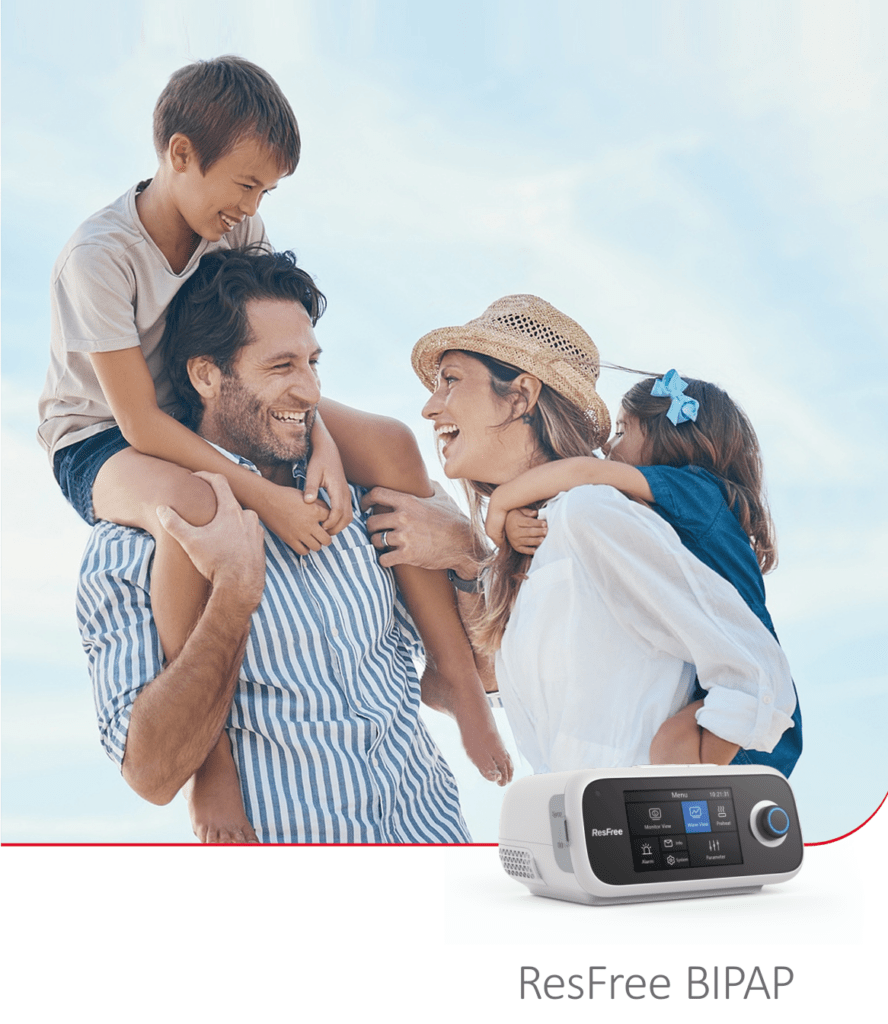
Three golden rules for evaluating a home ventilation device
1) Verify therapeutic consistency: confirm how the device maintains target pressure across common clinical ranges and what the device logs for residual events. 2) Inspect real-service metrics: check expected component life (filters, humidifier chamber) and the vendor’s firmware update and support cadence. 3) Validate patient-centric features: mask fit support, simple controls, and acoustic performance under bedside conditions. These three metrics map directly to daily outcomes: better therapy hours, fewer service calls, and higher patient comfort. When these align, clinical teams see measurable drops in follow-up visits and faster stabilization on therapy.
Final note on vendor value and real-world impact
Choose a partner that ties engineering clarity to clear support pathways. A vendor that documents test parameters, offers modular service options, and publishes device performance under defined pressure ranges will save clinicians time and patients discomfort. That operational clarity is the value proposition — and one reason health systems look to specialists who combine manufacturing insight with bedside sensitivity. Byond fits that frame, offering design choices and service models aligned to clinical realities. Small, steady difference.

