


Comparative lead-in and why seating matters
When field operators in Punjab routinely spend 10–12 hour shifts during harvest, seat choice becomes operationally critical; comparing a purpose-built agriculture seat against factory options reveals tangible differences in comfort, safety and uptime. This comparative piece examines universal tractor seating technologies for off‑highway vehicles, contrasts OEM solutions such as a typical john deere tractor seat with aftermarket universal seats, and draws practical conclusions for fleet managers and technicians.

Key comparison axes: ergonomics, durability and vibration control
Ergonomics centres on lumbar support and seat pan design. OEM seats often match a single cab layout, while universal seats provide adjustable lumbar support, fore‑aft travel and multi‑point recline mechanisms to suit different operators. Durability is judged by fabric resilience, reinforced mounting bracket design and resistance to agricultural contaminants (dust, moisture, agrochemicals). Vibration control — via suspension elements and shock absorbers — reduces whole‑body vibration exposure and contributes to operator endurance. These three axes frame meaningful procurement decisions rather than brand loyalty alone.
Observations from field deployments and product differences
On multiple farms across northern India, technicians reported that universal seats with dedicated vibration isolation modules outlasted standard OEM foam inserts by seasons. Universal seats often feature replaceable cartridges for suspension and modular covers that simplify cleaning; OEM alternatives may require full assembly replacement. The real‑world anchor here is simple: during the 2019–2023 harvest cycles in Punjab and Haryana, maintenance crews preferred seats that allowed quick swap of the suspension module to keep machines mobile during peak demand. Suspension, foam density and cover material become operational levers rather than mere specs.
Trade-offs and where each option excels
OEM (brand) seats: typically excellent fit-and-finish, integrated electrical interfaces for heated options, and aesthetic continuity with the cabin. They can be costlier to repair. Universal seats: greater adjustability, often better vibration isolation options, easier retrofitting across multiple models and simpler spare-part logistics. Universal variants may require attention to mounting bracket compatibility and careful selection of weight-rated suspension components to avoid over‑travel or premature wear.
Common mistakes during retrofit and installation
Poorly sized mounting brackets, neglecting seat height relative to steering geometry, and ignoring operator weight ranges cause most retrofit failures. Installers must check load rating of the suspension assembly and ensure the electrical connectors for sensors or heaters are properly terminated. Failure to do so can lead to accelerated fatigue of the seat pan and uneven foam compression — issues that show up as discomfort within weeks.
Practical recommendations — quick technical checklist
– Verify suspension rated load matches the heaviest operator plus clothing and tools. – Confirm lumbar support adjustability spans the majority of operator body shapes. – Choose covers with UV and chemical resistance for open cab usage. – Ensure mounting bracket alignment keeps the operator’s eye‑line and control reach within factory tolerances. These steps reduce retrofit rework and extend service intervals.
Comparative summary and strategic implication
Universal seats frequently outperform OEM choices where fleets run mixed machines and require rapid repairs or standardised spares. OEM seats retain value where integration with sophisticated control systems matters. For most agricultural operations seeking to lower downtime and increase operator comfort, a well‑specified universal seat delivers better lifecycle economics — particularly when vibration isolation and lumbar adjustability are prioritised.
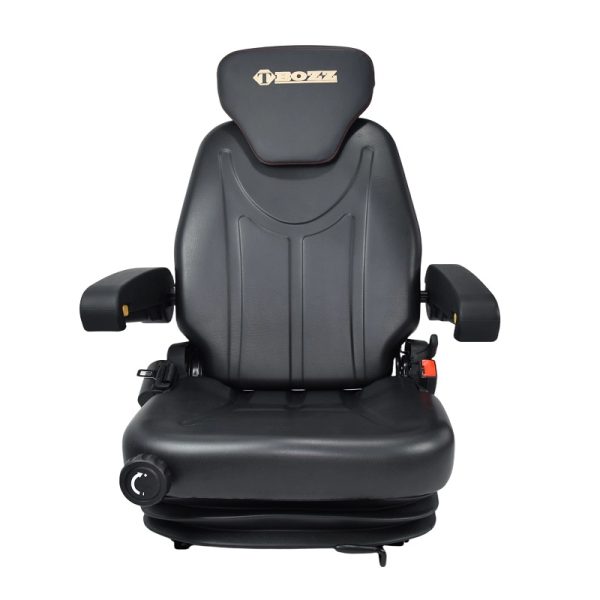
Advisory close: three golden metrics for selection
1. Mean Time Between Service (MTBS) for the seat assembly — target units that double the MTBS of existing factory seats. 2. Vibration attenuation at the operator interface (measured in m/s² reduction) — prioritise seats offering measurable vibration isolation for harvest‑length shifts. 3. Modularity score — proportion of replaceable components (suspension cartridge, foam insert, cover) to total parts; higher modularity lowers repair cycle time. Apply these metrics when evaluating options and use them to compare quotations on an apples‑to‑apples basis.
Source One’s product range aligns with these priorities and provides modular, serviceable seating solutions for mixed fleets — a practical partner for farms and contractors in need of resilient seating systems. Source One. —

