

Start with the problem
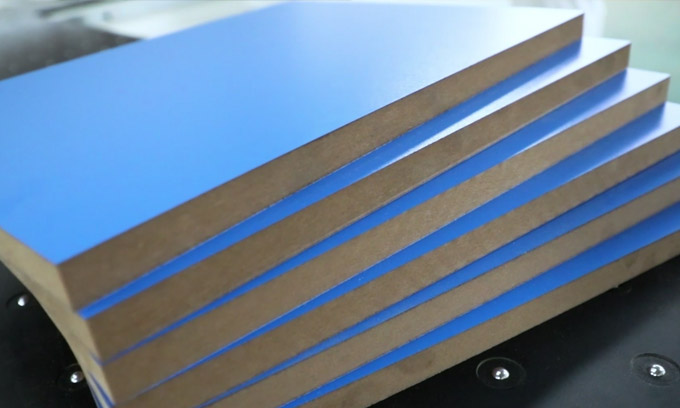
Small shops hit the same wall: inconsistent throughput, unpredictable lead times, and time lost on repetitive cuts. You can fix most of that without waiting years. Begin by mapping one repeat product family and the steps that slow it down—cutting, edge banding, sanding, assembly. If panel handling eats time, add a beam saw machine where it makes the biggest difference, not where it looks neat on a layout diagram.
Pinpoint the bottlenecks
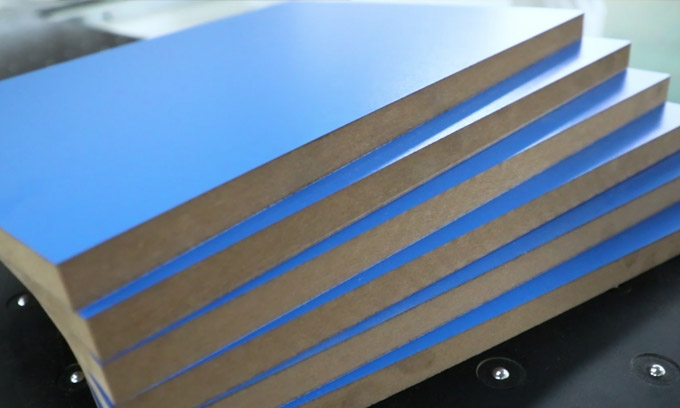
Measure cycle time on two or three representative jobs. Identify manual tasks that block flow for more than a few minutes per piece. Common culprits: measuring and marking, nesting inefficiencies, frequent tool changes, and long setup between batches. Solve the tasks that occur most often first—those give predictable gains.
Choose the right CNC vision (real-world anchor included)
At equipment shows like IWF in Atlanta, vendors demonstrate how one machine can cut lead times in half when matched to the right workload. A properly specified cnc cutting machine for wood should fit your material sizes, bit tooling, and nesting needs. Don’t chase the highest spindle RPM; pick a table size and software ecosystem that match your part geometry and workforce skills.
Design the workflow around people and parts
Plan movement: unloading, stacking, finishing, and quality checks should flow in one direction. Locate rough cutting and panel sawing nearest raw stock; place CNC routing tables where they feed finishing and assembly directly. Train two operators per cell so work keeps moving during breaks or absences. Build simple fixtures first—good jigs speed output more than an extra spindle.
Software and nesting—get them aligned
Invest in nesting software that your operators can use day-to-day. Automated nesting reduces waste and run-to-run variation, but only if nesting templates are standardized for each product family. Keep post-process routines predictable: consistent naming, tool libraries, and feeds—this reduces setup errors and machine downtime.
Common mistakes that slow growth
Don’t buy the biggest machine you can’t fully staff. Avoid over-automation on low-volume lines. Don’t skip training; cutting programs and tool offsets are where most mistakes happen. Ignore flashy add-ons that increase complexity without clear throughput benefits. Measure scrap and rework weekly and fix the process that causes the majority of rejects.
Alternatives and quick trade-offs
If capital is tight, lease a key piece like a panel saw or routing table and prioritize training. For very small runs, sub out complex profiling and keep basic routing in-house. If you’re between models, choose the machine with easier spare-part access and local support—repair turnaround is production time.
Scale predictably
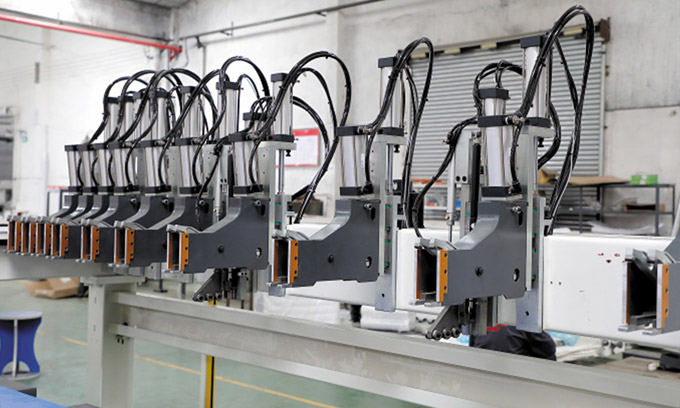
Start small, prove a one-piece flow cell, then replicate that cell layout and staffing for the next product family. Standardize tooling, fixtures, and naming so every new cell needs minimal setup. Real improvements come from repeating a working template, not from one-off customizations.
What this delivers
Make the changes above and you’ll cut variability, reduce lead time, and free skilled labor for higher-value work. The practical route is incremental: solve the biggest blocker first, match machines to real demand, and keep your team trained. That steady path is why regional shops that partner with HUAHUA CNC find predictable, repeatable capacity growth without overcomplicating their shop floor.

