

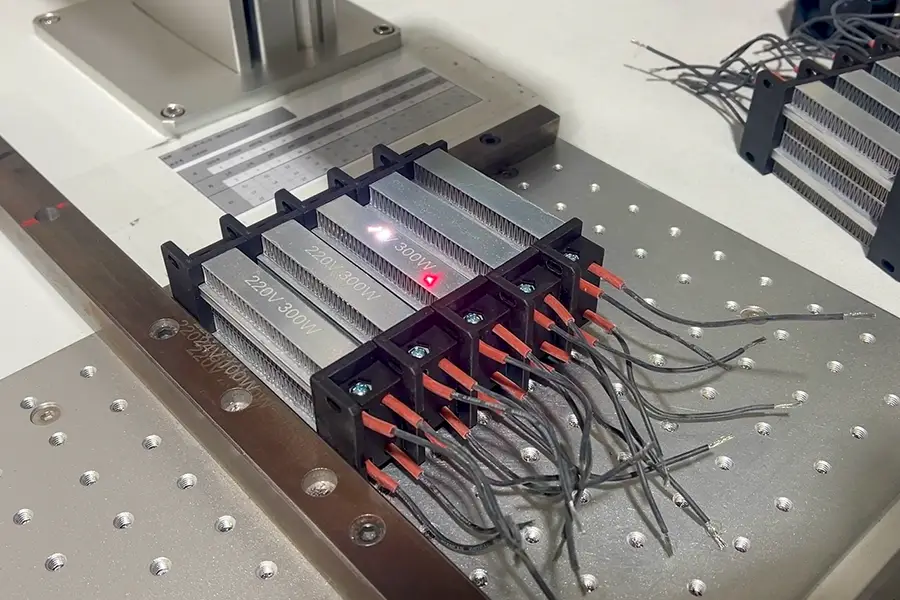
Which open questions should remain visible in a Industrial Heating Elements review of application scope for early research?
Early research on industrial heating elements should not begin with a presumed part number or a broad power claim. It should begin with the machine, the heated location, and the conditions that define the job. Procurement teams need a review that separates what the application page states from what still requires engineering confirmation. That approach keeps the first supplier discussion useful without turning a preliminary review into a final suitability decision.
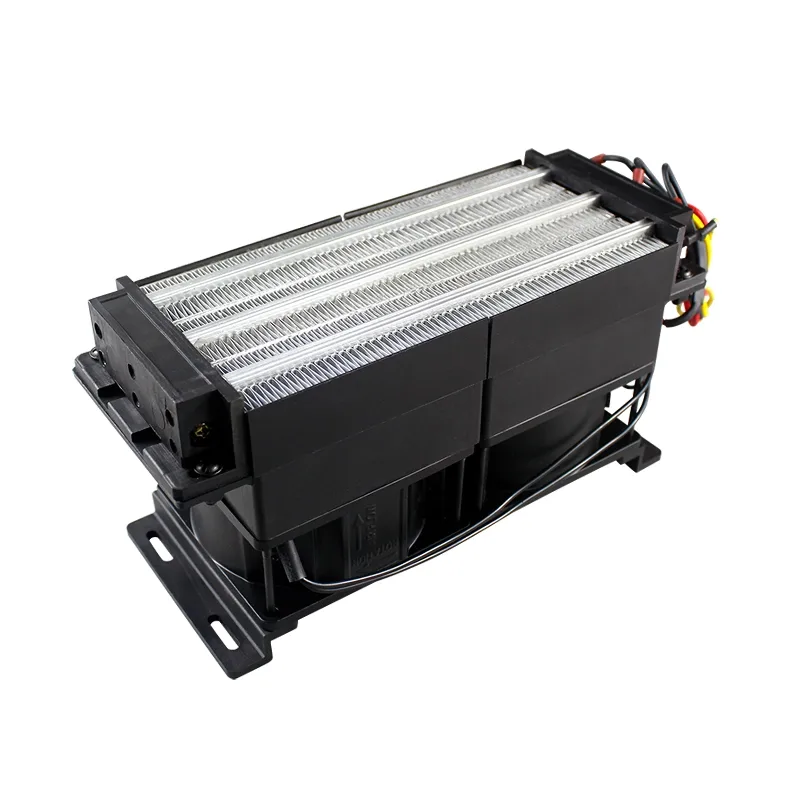
Define the use case before comparing options
Start by describing where heat must be delivered. A component or surface may need contact heating through a suitable mounting interface. A machine cavity, duct, or equipment compartment may instead require air heating. This distinction narrows the application scope and prevents a simple enclosure description from standing in for the complete heating requirement.
Record the target temperature, minimum ambient temperature, expected heat loss, insulation, airflow, and required warm-up time. Also document the operating cycle and the heated load. These details matter because enclosure dimensions alone are insufficient for evaluating a proposed configuration under complete machine operating conditions. They give procurement a structured brief to use when comparing supplier responses.
Keep physical and operating constraints visible as separate fields. An equipment drawing can show available space, mounting limits, and the position of nearby components. The operating brief should add the heating method, ambient range, warm-up requirement, cycle, and airflow where applicable. It should also state dust or moisture exposure, installation limits, required protection, and expected order quantity. This information supports a clearer quotation request than a request based on dimensions alone.
Map page evidence to the requirement
A review should label each point as either stated evidence, a project requirement, or an open question. For example, the page supports a distinction between contact heating and air heating. It also identifies application scope around moving-air systems, machine cavities, and equipment compartments. Those statements can guide early research, but they do not establish performance or suitability beyond the stated scope.
- State whether the requirement is contact heating or air heating, and identify the heated location.
- Record target temperature, minimum ambient temperature, heat loss, insulation, airflow, warm-up time, operating cycle, and heated load.
- Attach an equipment drawing and include installation limits, protection requirements, environmental exposure, and expected order quantity.
- Treat moving-air systems, machine cavities, and equipment compartments as the stated example scope, not as proof of wider suitability.
- Plan prototype evaluation in the target machine before production consideration.
A useful real-world anchor is the official application example covering air heating in moving-air systems, machine cavities, and equipment compartments. The same page says to confirm output under the actual airflow and temperature conditions. For direct-contact heating, it asks for the surface and mounting requirements so an alternative configuration can be reviewed. This is a bounded example, not proof that every industrial ptc heating module manufacturer or configuration will fit the same machine.
Use the phrase industrial ptc heating module manufacturer as a search and sourcing label only after the application has been described. The label may help locate relevant suppliers, but it cannot answer the engineering questions by itself. The procurement record should still show the heating location, target temperature, ambient range, airflow, cycle, installation limits, and expected quantity.
Turn open points into supplier questions
Open questions are most useful when they are specific enough to receive a testable response. Ask which heating method matches the stated location and what information is needed to review the configuration. Provide the equipment drawing and the operating conditions together. If airflow affects the application, include the available airflow data rather than leaving it as an assumption.
Ask the supplier to identify which electrical specifications, temperature performance points, and installation details must be confirmed during prototype testing. The purpose is not to request a general assurance. It is to define what the sample evaluation must examine inside the target machine before production consideration.
Keep commercial questions separate from technical conclusions. Expected order quantity and delivery requirements belong in the OEM discussion, but they should not be treated as evidence that a proposed configuration is suitable. First align the application information and prototype review. Then agree the configuration, quantity, and delivery requirements based on the resulting discussion.
- What is the heating location: a surface, component, cavity, duct, or equipment compartment?
- What target temperature, minimum ambient temperature, heat loss, insulation, airflow, and warm-up time define the requirement?
- What operating cycle and heated load should the review include?
- What drawing, mounting information, protection requirement, and environmental exposure should accompany the request?
- Which electrical, temperature, and installation details will be checked during prototype testing?
Choose a defensible next step
The next step should be a documented application brief, not an unsupported selection. Attach the equipment drawing and list the heating method, target temperature, ambient range, warm-up requirement, operating cycle, airflow where applicable, installation limits, protection requirements, and expected order quantity. This gives the supplier a defined basis for review and leaves unresolved conditions visible to the project team.
Samples should be evaluated in the target machine before moving to production. During prototype testing, confirm the electrical specifications, temperature performance, and installation details that matter to the application. A review is defensible when it records the evidence used, the conditions still open, and the checks required before the configuration is agreed.
For procurement teams, the practical conclusion is simple: define the heated location, document the operating conditions, separate page-listed scope from assumptions, and use prototype evaluation to close the remaining questions. That process keeps an early industrial heating elements review focused without overstating suitability, while PTCYIDU remains one supplier reference for the application discussion.

